
Youth Voices in the Digital Age: Safeguarding Digital Democracy Beyond 1976

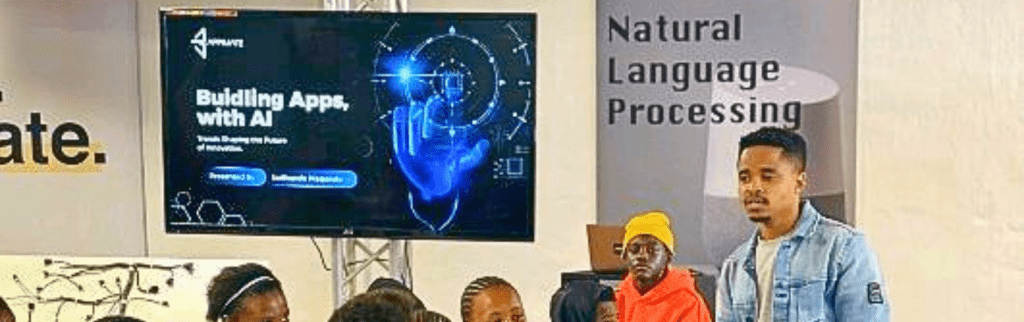
As South Africa marks 50 years since the 1976 Youth Uprising, a new generation faces a different struggle: protecting truth, trust and democracy in the digital age.
Fifty years ago, South African youths took to the streets of Soweto, armed with placards and protest songs, demanding an end to injustice, inequality, and the denial of equal education. Today, a new generation of young South Africans wages a different but no less consequential struggle, one fought through digital platforms.
X, TikTok, Facebook and Instagram have become modern spaces of activism, civic participation and political engagement. They are where young people organise, question leaders, amplify causes and influence public opinion. But they are also spaces where misinformation, disinformation, propaganda and online abuse can spread quickly, damaging public trust and weakening democratic institutions.
As South Africa prepares for the upcoming Local Government Elections (LGE2026) under the theme “Your Voice, Your Choice”, young people have an important role to play in safeguarding digital democracy. That responsibility starts with ethical online engagement, responsible communication and the promotion of trustworthy information.
South Africa’s rapidly growing digital ecosystem shows both the influence and the responsibility young people now carry online. Recent digital reports indicate that the country has more than 127 million cellular mobile connections, close to 29 million TikTok users and an estimated 3 million users on X.
These numbers show how deeply digital platforms have become part of civic life. They are no longer just spaces for entertainment or social connection. They now shape how citizens receive information, form opinions and participate in democratic processes.
That influence is especially important because young people remain the leading users and early adopters of digital platforms. Content creators, influencers and digital communities, many of them youth-led, are shaping narratives, driving online trends and influencing conversations that affect society and politics.
But the same platforms that give young people a voice can also be used to manipulate them.
The rapid growth of artificial intelligence and monetised digital platforms has made it easier for false information to spread. AI-generated videos, deepfakes, distorted images and misleading political content can weaken public trust and confuse voters. Campaigns are also becoming more data-driven and AI-powered, increasing the risk that citizens can be targeted with content designed to influence behaviour and public perception.
False information becomes more viral than verified facts, as is often the case that sensational content attracts more engagement, shares, likes and retweets. The monetisation of creators on platforms such as X has added another layer to the problem. In some cases, content is designed less to inform the public and more to provoke reactions, shape narratives, or gain influence.
South Africa has already seen how dangerous this can become.
The July 2021 unrest showed how social media can influence public behaviour and fuel instability when misinformation and inflammatory narratives spread unchecked. Reports at the time pointed to how certain X accounts and digital networks contributed to the spread of harmful content, highlighting the growing power of social media in shaping public sentiment and national conversations.
This does not mean technology should be viewed as an enemy of democracy. Artificial intelligence and digital platforms can improve access to information, strengthen communication and help communities organise more effectively. They can also expand participation for people who have historically been excluded from public debate.
But that promise depends on how these tools are used.
The growing digital information ecosystem requires greater accountability from media houses, public institutions, influencers, political actors and digital creators. It also requires stronger digital literacy, better fact-checking habits and a culture of verification, especially among young people who dominate online spaces.
Youth participation in the digital revolution must therefore go beyond access to technology. It must include safe digital citizenship, protection of human rights online, and the creation of digital spaces that are inclusive, ethical and trustworthy.
The challenge is not South Africa’s alone. Africa remains the youngest continent in the world, with more than 60 per cent of its population made up of young people. By 2050, one in four people globally will be African. This youth population represents enormous digital potential for innovation, democratic participation and inclusive development.
But millions of young Africans still face barriers to connectivity, affordable internet access and digital skills. Bridging this divide is essential if young people are to participate meaningfully in democratic processes, exchange knowledge across communities and help shape the policies that affect their future.
The African Commission on Human and Peoples’ Rights has continued to emphasise the importance of freedom of expression, access to information and responsible communication in democratic societies. In a recent information session, representatives from the Commission also highlighted the need to protect digital communities, especially women and girls, from hate speech, online abuse and human rights violations.
The call to South African youth is to use digital influence responsibly.
Young people must become active defenders of our nation, values and democracy. That means questioning suspicious content before sharing it, challenging harmful misinformation, refusing to fuel hate speech, and using online platforms to build safer and more inclusive democratic spaces.
Fifty years after 1976, today’s generation faces a different but equally important struggle. It is the struggle to safeguard truth, strengthen public trust and protect democracy in an era shaped by artificial intelligence, social media and rapidly evolving technology.
Democracy is stronger when young people participate responsibly, deliberate ethically and help build a shared future grounded in accountability, inclusion and trustworthy information.
Technology must become a tool that empowers communities, protects rights and unites society. It must not become a weapon for misinformation, manipulation and division.
———————————
Sources:
- DataReportal. (2026). Digital 2026: South Africa – Global Digital Insights. Available at: https://datareportal.com/reports/digital-2026-south-africa
- African Commission on Human and Peoples’ Rights (ACHPR). (2020). Declaration of Principles on Freedom of Expression and Access to Information in Africa. Available at: https://achpr.au.int/sw/node/1112
- African Commission on Human and Peoples’ Rights (ACHPR). (2026). Joint Declaration on the Right to Freedom of Expression and Access to Information of Children in the Digital Age. Available at: https://achpr.au.int/en/news/press-releases/2026-06-02/joint-declaration-information-children-digital-age
- South African Human Rights Commission (SAHRC). (2024). Report on the July 2021 Unrest. Available at: https://www.itweb.co.za/article/new-report-reveals-how-social-media-fuelled-2021-unrest/DZQ58vV82PxMzXy2
- Africa Facts Zone. (2025). Social media and digital platform statistics in South Africa. Available on X (Twitter): https://x.com/AfricaFactsZone
- Digital Democracy Initiative. (2025). Youth participation and digital democracy discussions. Available on LinkedIn: https://www.linkedin.com
- Meltwater & We Are Social. (2026). Digital trends, social media usage and internet statistics in South Africa. Published through the DataReportal Digital 2026 report. Available at: https://datareportal.com/reports/digital-2026-south-africa
- International Telecommunication Union (ITU). (2025). Digital connectivity and internet access statistics. Available at: https://www.itu.int
- GSMA Intelligence. (2025). Mobile connectivity and digital adoption trends in Africa. Available at: https://www.gsma.com
———————————
About the Author:
Bongekile Filana is a digital storyteller working at the intersection of youth digital inclusion, technology and innovation. As a contributor to Activate Change Drivers, she writes about digital transformation, artificial intelligence and inclusive economic growth.




Responses