
It’s Rape, Not Pregnancy’: Youth Push to Reframe Early Parenthood


The South African community has become desensitized to the ongoing crisis of teenage pregnancy. In 2024 alone, 68,813 births were recorded among teenagers -1,424 were girls between 10 and 14. Meaning – nearly 365 adolescent girls give birth every day, with about 10 of them under the age of 15.
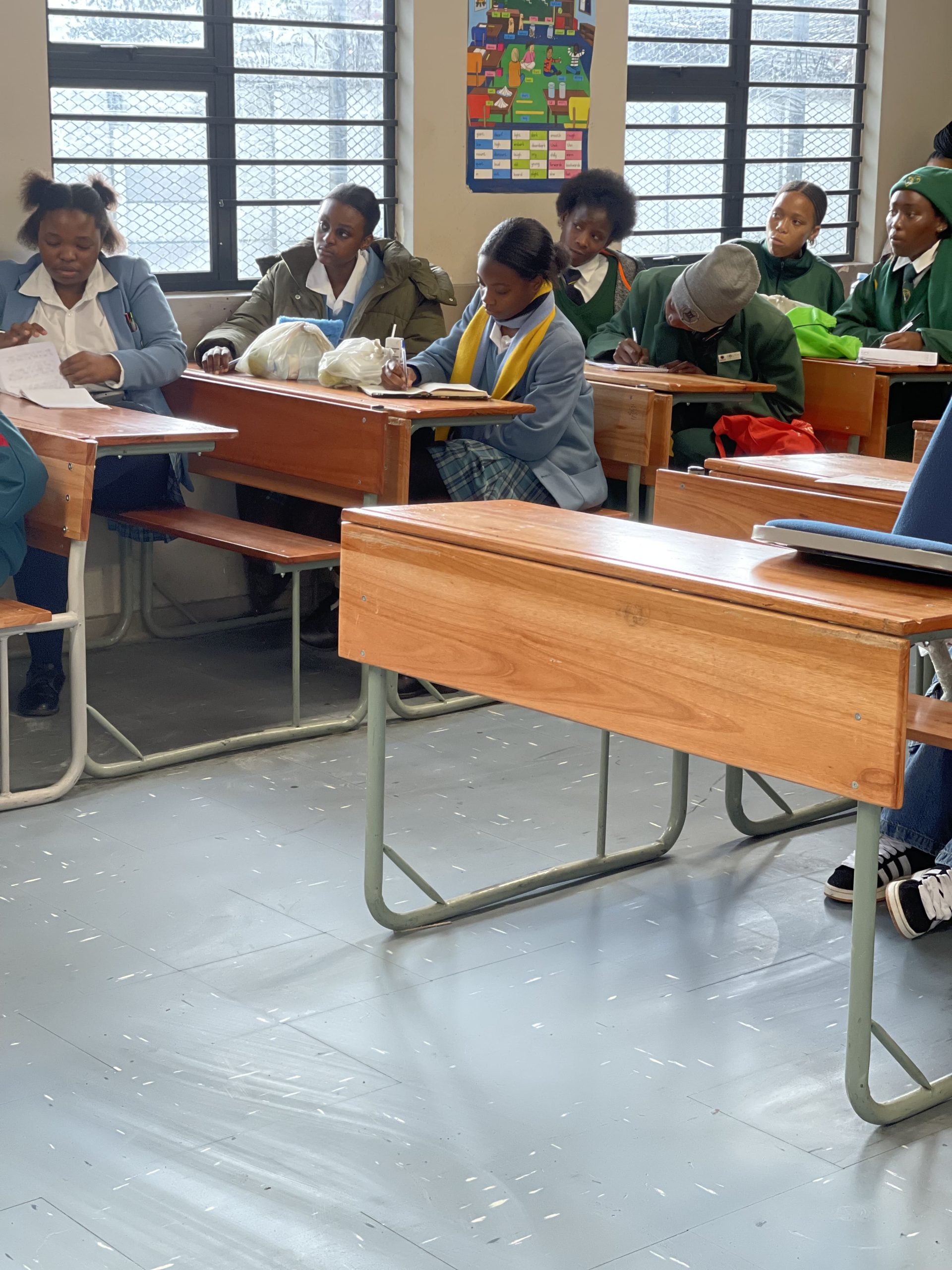
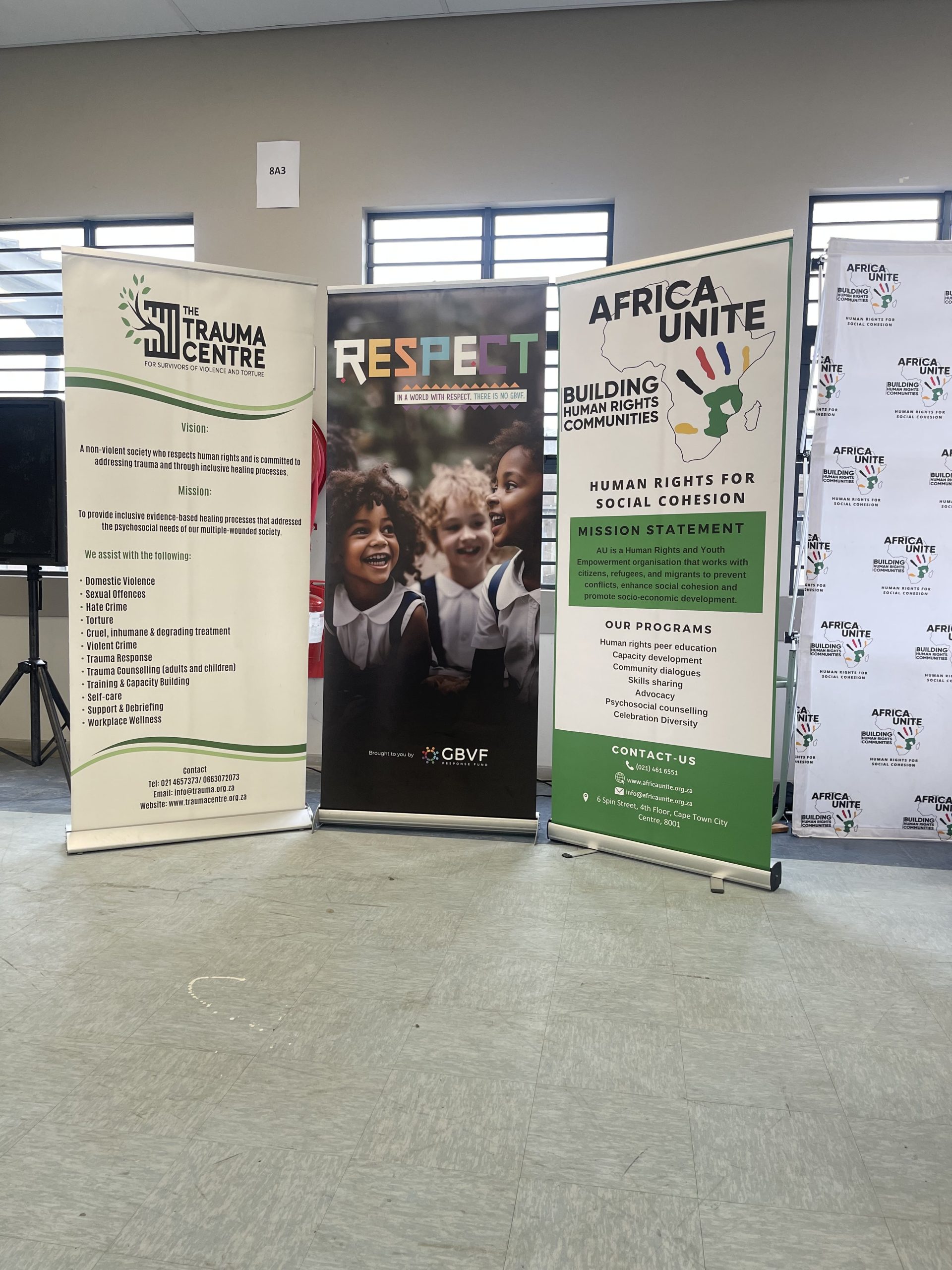
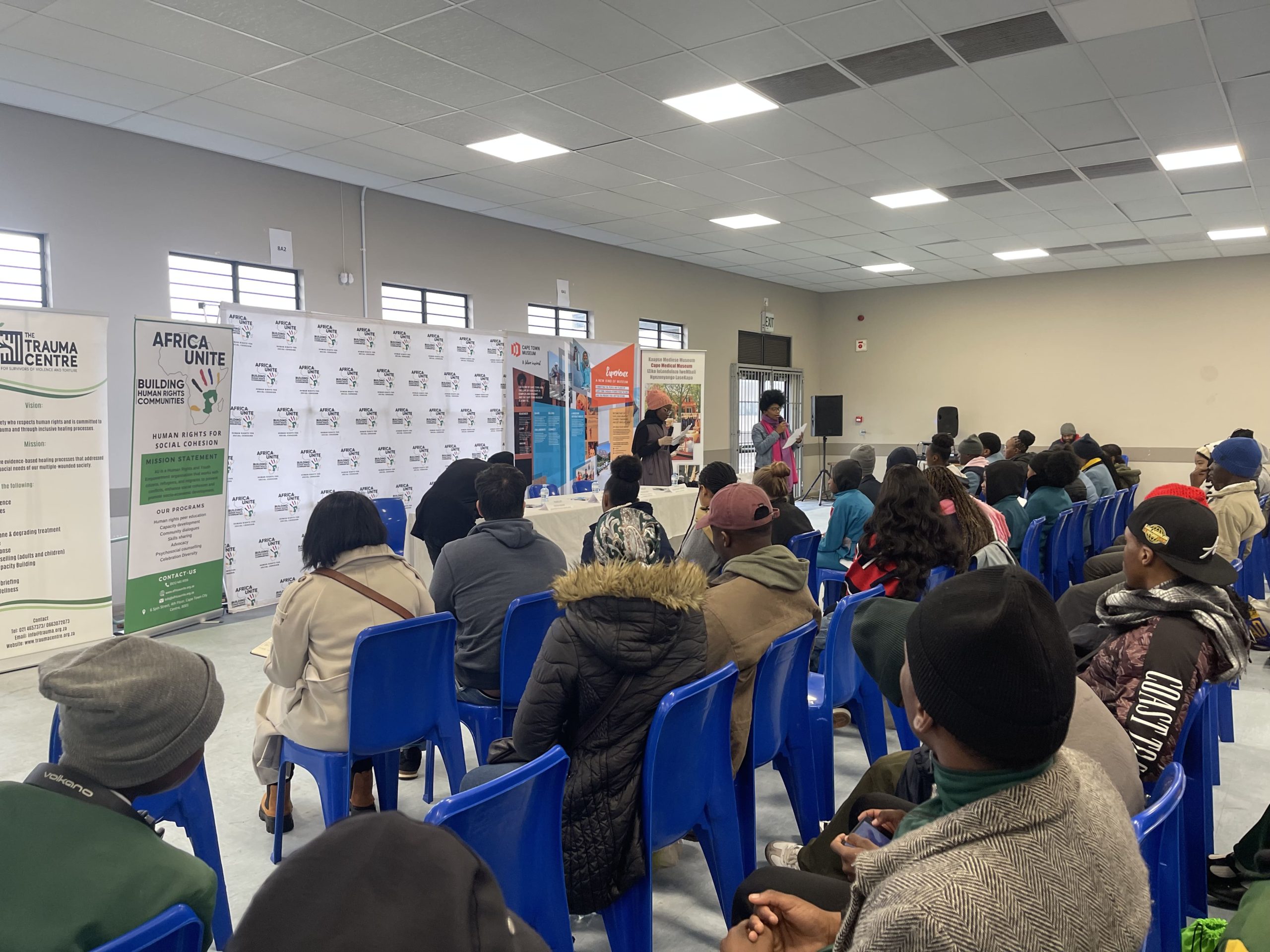
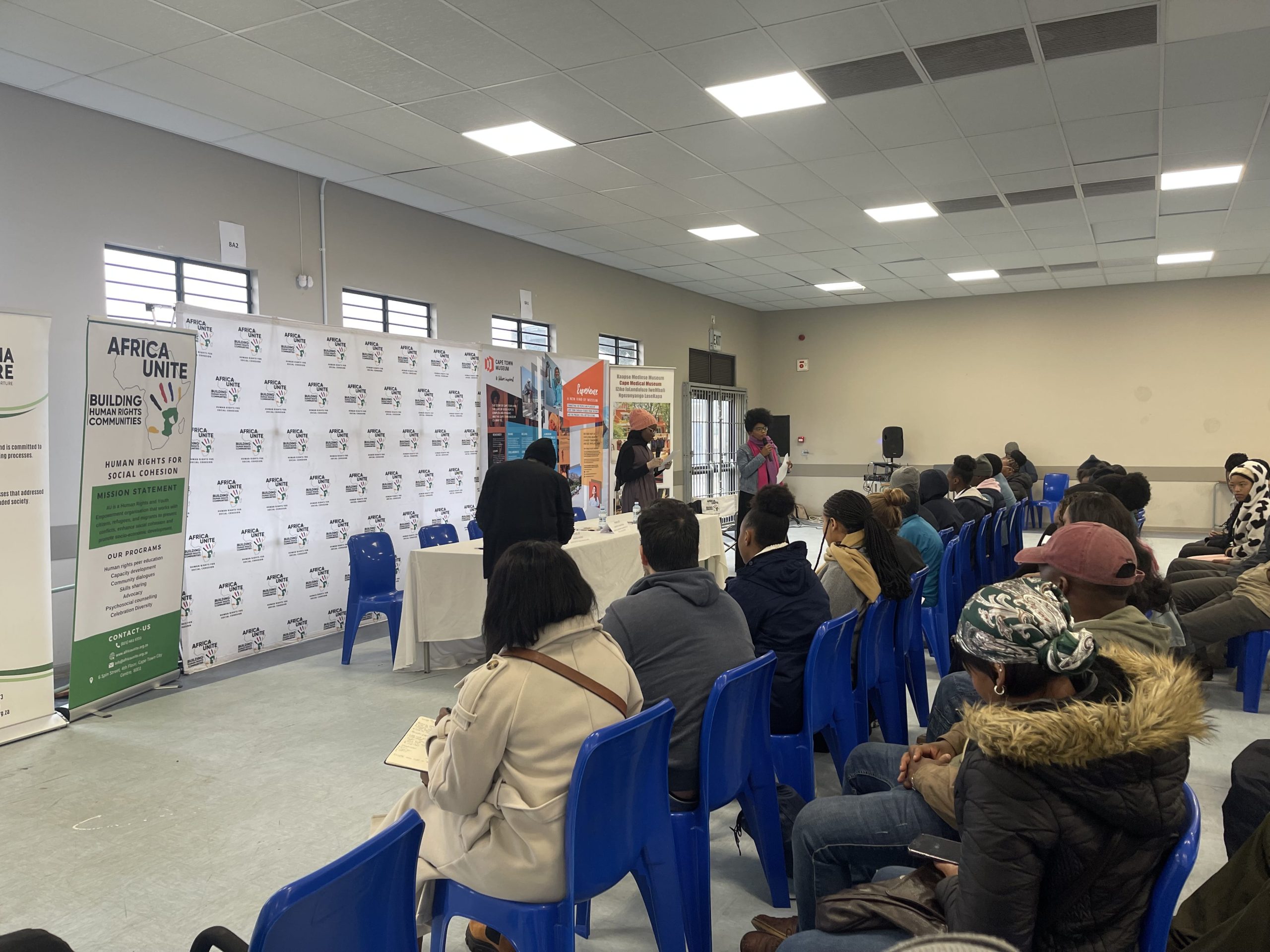
In response to this crisis, Africa Unite – a youth-led organization that empowers young people through human rights education, community mobilization, and advocacy – convened a robust dialogue on Saturday, 29 June 2025, at Rosendaal High School in Delft, Cape Town. The event was held in partnership with the Western Cape Government, Cape Town Museum, and the Gender-Based Violence and Femicide Response Fund.
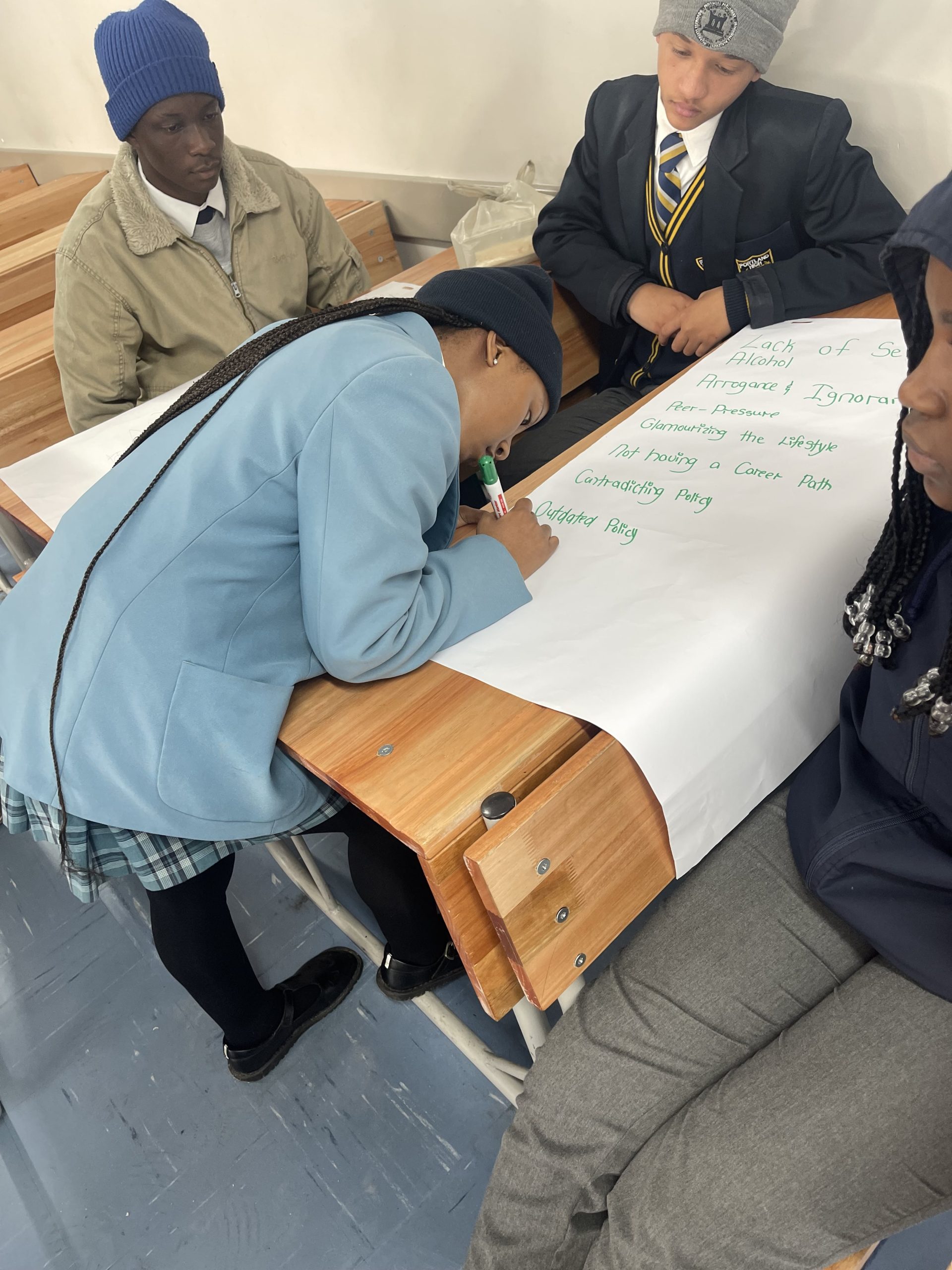
Unlike other discussions about youth, this dialogue was designed to place learners at the heart of the conversation. In a policy landscape where solutions are often imposed from above, this dialogue puts learners at the center, particularly those directly affected. Participants in breakaway commissions had the opportunity to speak freely and reflect deeply on what drives early parenthood – and what can be done to mitigate it.
The opening panel reflected that intention. It included Mafika Hadebe from the Department of Health and Wellness, Koketso Phumbu representing the GBVF Fund, Phelekwa Zinto, a social worker and peer educator from Africa Unite, and Onikayo Ngantweni, School Leadership Club Minister of Social Development. Their presence underscored the organisers’ commitment to youth-led dialogue, not just youth-targeted interventions.
“We need to stop calling it teenage pregnancy,” said Hadebe to the packed hall. “I’m always comfortable with early parenthood. When we say early parenthood, it brings the boy child to the conversation.”
“It’s Rape, Not Pregnancy”
Koketso from the GBVF Response Fund set the tone early. “What we are not seeing is that there is a level of misrepresentation of the issue,” she said. “A 10-year-old is not a teenager, it’s a child. We need to start counting the number of perpetrators of these crimes because these children do not impregnate themselves.”
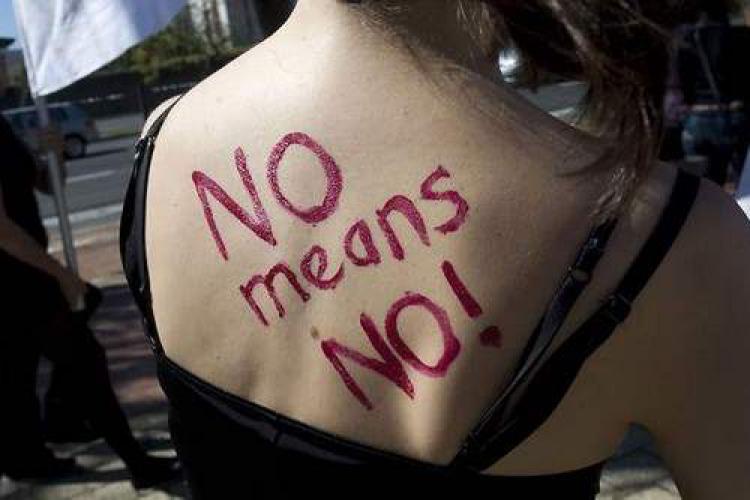
The Teenage Girls Commission echoed this sentiment: “When a child is younger than 16, it is rape, guys, it is rape. Even if the child said yes, I don’t mind; it is rape at the end of the day.”
Their report outlined how sexual violence intertwines with poverty. “You are in a relationship with someone because of money being involved,” they explained. “In exchange for that new Jordan, you must have sex with this older man, taxi drivers, teachers, anybody in society.”
Boys break the silence
Perhaps the most striking feedback came from the ‘Teen Boys’ Commission. “We are portrayed as villains sometimes, but it is not the truth,” their representative said. “We are also suffering inside, but we cannot speak because society does not let us speak. We stay awake at night crying in secret because we cannot cry to our mothers and fathers.”
They confronted toxic masculinity directly: “You get judged for maybe loving a woman gently, and they tell you that you’re not a man if you haven’t slept with women in your life. That is wrong.”
Their plea was simple but profound: “Becoming a better man doesn’t mean having money… It starts within. Have a heart.”
Healthcare barriers
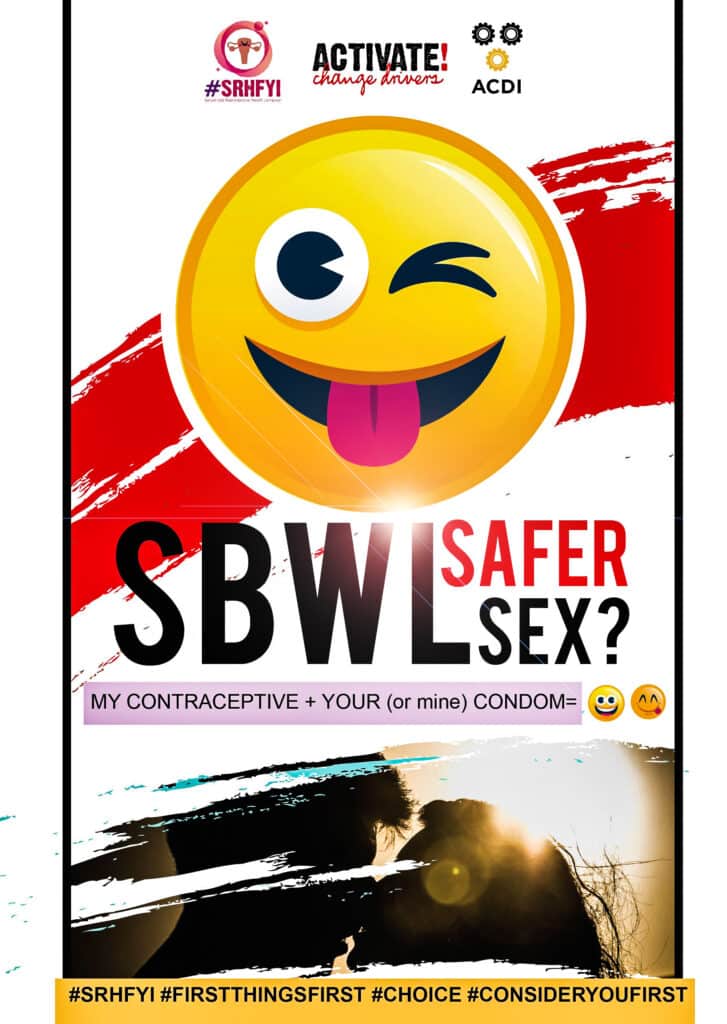
Healthcare emerged as a place of judgment. The girls described clinic visits vividly: “If I went to a hospital and I asked for contraceptives, the nurse would look at me and be like, ‘Oh, you want contraceptives,’ you know, and that kind of look. And I would say, ‘I’m asking for a friend’ because we are very shy as females.”
Rural areas face additional barriers. “They don’t have facilities where they can get contraceptives… and also when they are pregnant, they do not have the facilities that can help them and also not be judgmental.”
Life Orientation: “The Same Thing Over and Over”
When moderators asked about Life Orientation as a subject, hands shot up to condemn it. “From grade seven, when we start life orientation, up to whenever it’s the same thing that you’re repeatedly learning,” the girls reported. “That’s why most people think LO is useless.”
Student leader Onikayo Ngantweni said, “There is no reason to say you are not educated. As a grade three learner knows that having sex, you can be pregnant.” However, she also criticized unequal access: “If something disseminated in one school and 49 excluded, then that execution essentially does not exist.”
Policy gaps and social media
The ‘Government’ Commission, made up of learners like the head of Gardens Commercial’s School Leadership, laid out a case for why policy needs to speak to the current conditions of youth. “Some of these policies were created by the youth of 1994,” one participant said. “But we are the youth of 2025. We’re dealing with different issues in a different world.”
Furthermore, in South Africa’s legal framework – such as the fact that a 12-year-old is legally considered a victim of rape, but a 16-year-old can be married. “How does that make sense?” one asked. “It’s the same country, but the rules don’t add up.”
Participants also emphasized that policy isn’t just outdated – it’s unevenly applied. “If you implement something in a school in Bishopscourt but not in a township like Philippi, you’re not reaching the people who need it most,” one learner said.
Another concern was the growing influence of social media. “On TikTok, you see a teenage mom who got pregnant at 17 saying she makes R200,000. So we glamorize it,” said one speaker. “But she’s not telling you everything. And not everyone has the same life. Most of us won’t make money from going viral. We’ll just be stuck.”
To counter this, they called for updated policies that speak to youth in their digital language – through platforms they use, not just government gazettes no teenager reads. They also demanded equal accountability: “If a girl gets suspended for being pregnant, the father must face the same consequences -even if he goes to a different school.”
Above all, the commission stressed the importance of honest conversations. “Don’t sugarcoat it,” one said. “If you’re a parent or a teacher, be direct. We don’t need you to tiptoe around the truth. We need you to talk to us like we’re already living the consequences – because we are.”
Adults face hard truths
The ‘Community Stakeholders’ commission reflected on the role of parents and guardians. One point raised was how inconsistent adults can be when it comes to addressing sex and relationships. “You’ll find porn on a parent’s phone,’ one participant noted, “but when a kissing scene comes on TV, they say, ‘Close your eyes. Don’t watch.'” The group emphasized that avoiding these conversations does more harm than good – that instead of being evasive, children need open, age-appropriate discussions to enable them to make better decisions.
Another uncomfortable truth surfaced: the presence of sexual grooming in communities. Grooming was described as the way some adults -often women with social or financial power – target younger boys through compliments or material goods. “Some affluent women in the community would say, ‘You’re so handsome… I can buy you that latest iPhone,'” one attendee recalled. It’s this normalization of inappropriate interaction, disguised as kindness or helping, that adds another dimension to how gendered power dynamics show up and are often overlooked in conversations about early parenthood.
Solutions from the ground up
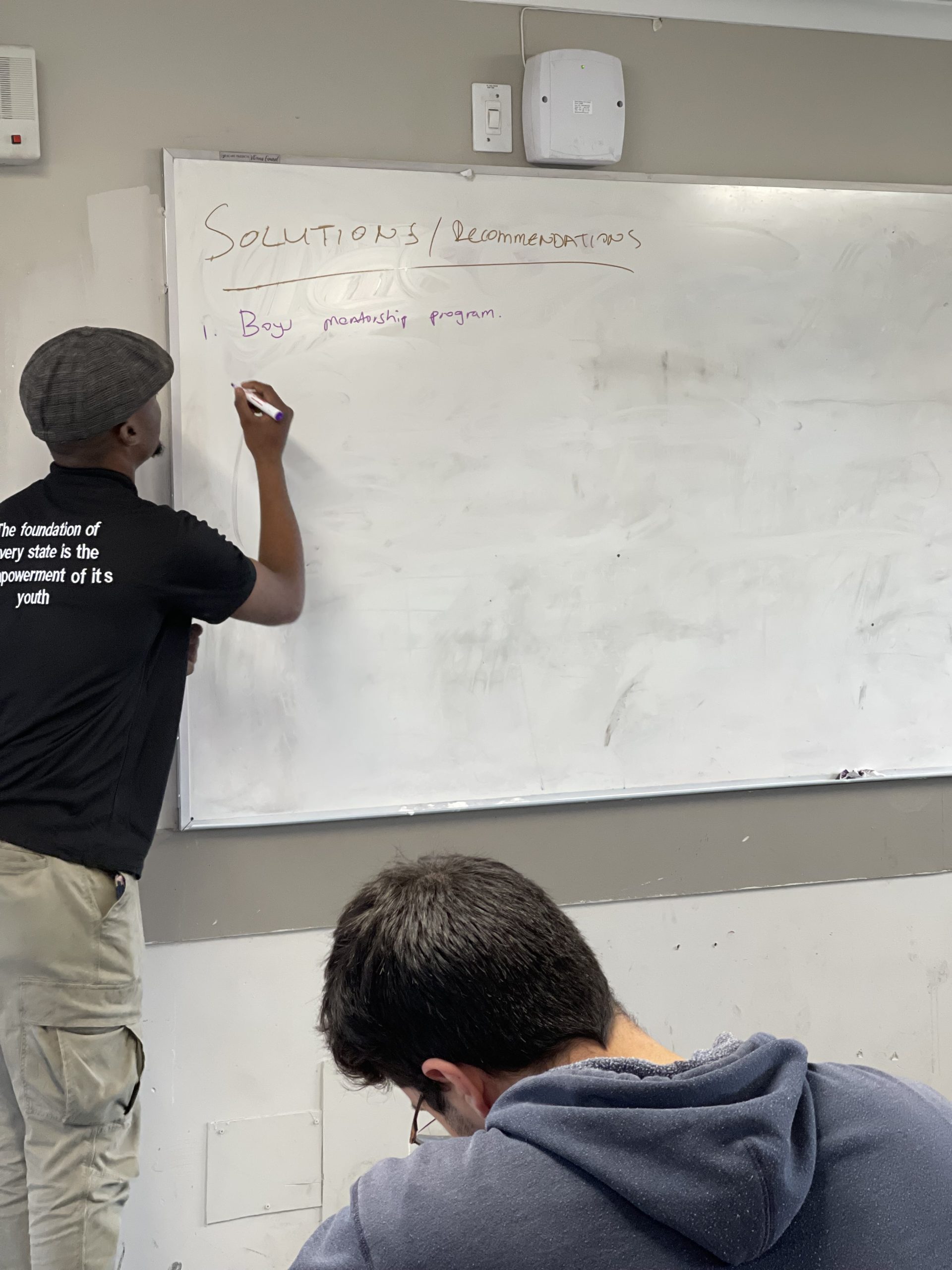
Each commission presented concrete recommendations:
From the boys:
- “We need to have boys’ mentorships in schools and communities”
- “Close down illegal alcohol distribution”
- “If you know the neighbor next door has no dad, try to be his role model.”
From the girls:
- “Stereotypes should stop… why should a person be afraid to speak out?”
- “Improve the curriculum of LO.”
- “The boys and gents must also take responsibility.”
From government:
- “We need policies updated regarding the youth… It’s the internet.”
- “Prevention of sales of substance abuse”
- “Don’t sugarcoat things… be firm when talking to us.”
From community:
- “We need teachers who will be relatable to us.”
- “Introduce the implant… from age 13”
- “Train our parents and also counsel them.”
Moving Forward
As the dialogue closed, Koketso reminded participants: “I’m not going to save you from where I’m sitting. You are only going to save yourself. Your future is literally in your hands.”
Africa Unite plans to compile these recommendations into a policy brief. But policy alone won’t address what the youth made clear: this isn’t about teenage pregnancy. It’s about statutory rape, poverty, absent fathers, judgmental nurses, and a society that tells boys to be players and girls to be ashamed.
“Have a heart for your brothers, to your mothers, to your uncles, to your nephews, to your nieces, to your future kids,” the boys concluded. “Have heart because in the world these days, that is all that’s needed.”
In Delft on Saturday, young people didn’t just share their pain – they demanded that society finally act on it.
—————————
About the Author:
Aphelele Mtwecu is a proud member of the Activate Change Drivers Network and a 2016 Activator. As a content writer, activist, and creative, her work centers on youth development, transformation, and social impact. She approaches each story seeking innovative solutions and fresh methods to drive social change, reflecting her unwavering commitment to fostering positive transformation in South African communities.




Responses