
Youth Network counts down to the local government elections, sending more than 100 young people as election observers across the country

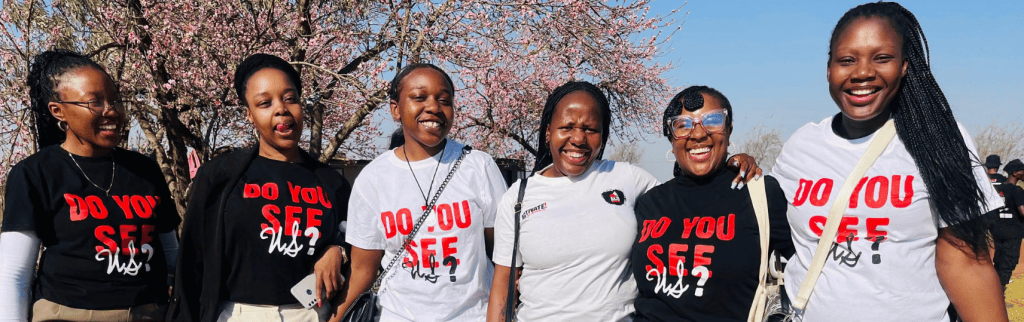
Building on their year-long national campaign, Youth Network Activate Change Drivers gears for the local government election, calling on young people to participate in civic matters directly in their communities through the local government elections.
The network of over 5000 young people across the country includes several youth standing as ward councillors, representing diverse political formations and independent candidates, highlighting the multi-plural nature of the network. They have also registered over 100 observers stationed at voting stations to support the IEC’s efforts to ensure that the local government elections take place in a manner that reflects an inclusive democracy, emphasising how local voices drive national change.
Rooted in Communities
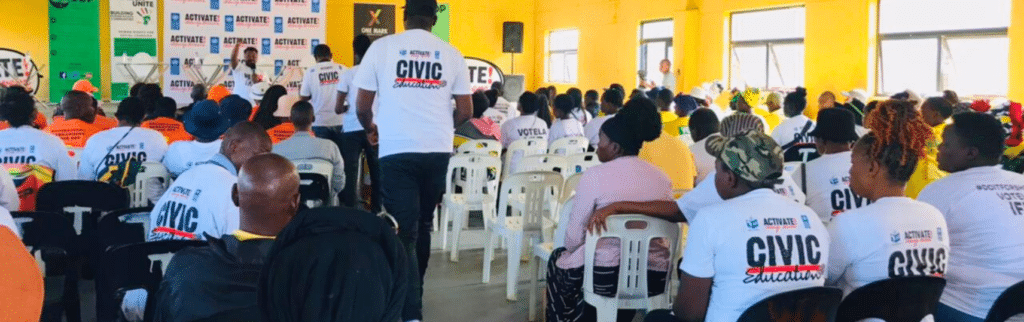
Since the beginning of the year, young people in the network through its Civic Education programme have been partaking in civic matters directly in their communities. Some of their milestones have included reaching the first six provinces in the first half of the year through 10 activations that included hosting workshops, debates, film screenings, and career expos, amongst other activities.
The Civic Education Activations successfully strengthened democratic awareness, promoted active citizenship, and created practical pathways for youth participation across multiple provinces. By combining civic education with employability support, community dialogue, and accessible voter registration services. The programme demonstrated an integrated approach that responds to both the immediate needs and long-term civic aspirations of young people. The continued partnership with the Independent Electoral Commission saw close to 500 first-time voters registered during the various activations. This provided a strong foundation for harnessing the power of activism amongst young people and the impact of future civic education initiatives
Despite dominant narratives that label youth as disengaged or apathetic, young people’s lived reality tells a different story. Young people are actively navigating structural barriers: economic exclusion, limited access to opportunities, unsafe communities, and systemic neglect.
“As a network, we continue to lead national coordinated efforts where young people are organised and leading mobilisation in their communities. We have several young people who are standing in the local government elections as ward councillors across provinces. This is a testament that young people are not just discussing the democratic processes, but they are participating in real time”, network programme lead Lebohang Zimba shares.
“It’s a notable milestone to have 100s of young people engaged in democratic processes across the country. These are young people who have gone through the ACD In Community programme and graduated from the programme fully capacitated on the foundations of participating in civic matters and democratic processes. They know what leadership is, the importance of accountability and the urgent need for action-led change in our communities. They have availed themselves to serve communities, and they come from those communities first as existing active volunteers”, network CEO Siphelele Chirwa reflects.
Recipe to prepare for the local government elections
The network has also established strong partnerships with the IEC, enabling direct voter registration and voter verification services on-site.
These efforts are an extension of civic engagement that the network has historically been involved with, through previous election seasons since its formation in 2012, including authoring a multilingual civic education toolkit distributed in several communities as a skills and capacity-building exercise on civic education.
Lessons along the way
While the activations successfully created spaces for youth engagement, they also exposed critical gaps that require continued attention. Network Coordinator Nonhlanhla Dube reflects that growing disillusionment among young people towards democratic institutions could reduce both civic participation and voter turnout if left unaddressed.
“Many of the young people we engaged needed additional support to understand fundamental democratic concepts. This meant that time intended for deeper conversations was often spent building foundational knowledge. To address this challenge, we must strengthen partnerships with government, schools, employers, and community organisations to broaden civic education efforts and maximise long-term impact,” Dube adds.
The elections and Beyond
Beyond the upcoming elections, the national youth network is encouraging young people to become familiar with the issues in South Africa to prepare themselves for the future now.
A powerful outcome emerged from the civic education dialogue and community issue-mapping session held in Kuruman, where young people realised they have the power to shape their community’s future. Recognising that meaningful change does not depend solely on local leadership, participants resolved to establish an aftercare programme that will create safe spaces and support opportunities for young children living in the rural community.
“Participating in the elections is one aspect of engaging our democracy; we want to encourage young people to not just register to vote and vote but own this democracy through attending the IDP meetings and making meaningful inputs in their communities in building their national voice”, Rammolotsi Sothaone, executive programme director, adds.
The #MyVoiceMyVote campaign is one of the vehicles that Youth Activators are using to drive change in their communities, provincially and nationally.
To engage with the network, visit their social media platforms by searching Activate Change Drivers and visit their website www.activatechangedrivers.co.za
————————————
About the Author:
Zamayirha Peter is the founder of the social enterprise Ideas That Walk and an advocacy communications specialist with a decade of experience spanning multimedia journalism and strategic communications.




Responses