
Youth Network hosts intergenerational civic dialogue to address GBV and promote Human Rights

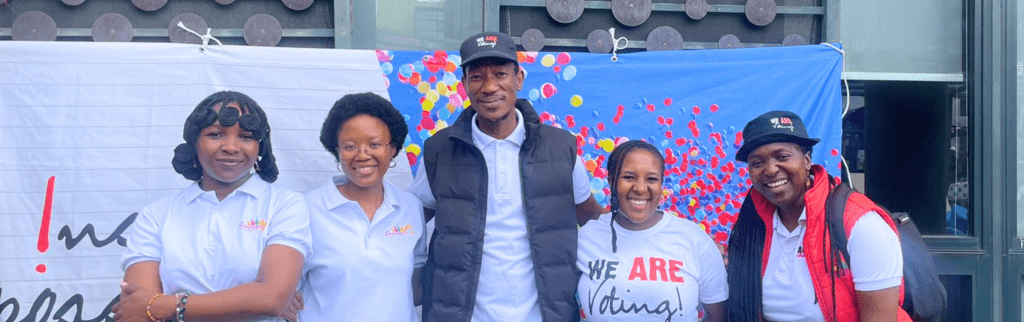
In South Africa, March is observed annually as Human Rights Month; in this month, the country commemorates the 21 March 1960 Sharpeville Massacre and highlights the journey toward democracy. The 2026 theme is “A Legacy of Courage: Protecting Rights, Preserving Humanity”.
Digital Campaign
Responding to this theme, the national youth network Activate Change Drivers began Human Rights Month with a month-long digital campaign to showcase the human rights efforts led by its young people who have made significant progress in their respective industries to raise awareness on human rights. Some of their efforts are widespread in raising awareness of endometriosis. Through documenting her lived experience, author and activist Nadine Dirks showcases the reality of living with endometriosis and the importance of research and empathy where women’s health is concerned.
Additionally, gender champion Siphesihle Nkosi has made strides to reshape Early Childhood Development (ECD) and the conversation around masculinity in South Africa through his organisation, Ulwazi and Innovation. Nkosi leads Isiqalo, a community-driven initiative designed to strengthen ECD centres. Adding to the campaign was Neo Iyana, a founder of the Neo Healing Institute, a coaching and consulting company that supports individuals and teams in developing deeper self-awareness.
At the core of the young people’s efforts was to demonstrate how we can all use our passions and experiences to shape a better reality that all South Africans, and humans, can benefit from.
Constitution Hill Human Rights Festival
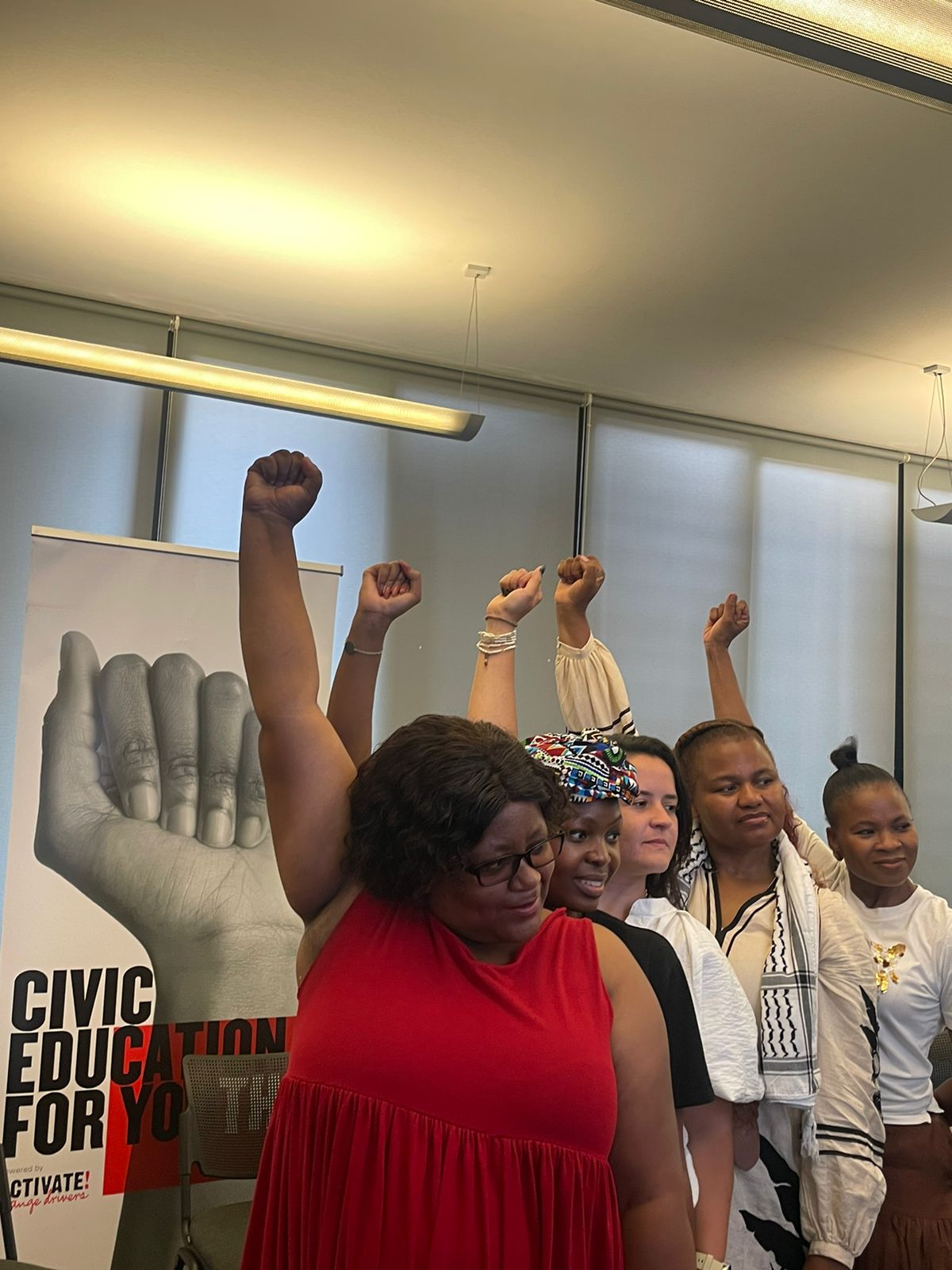
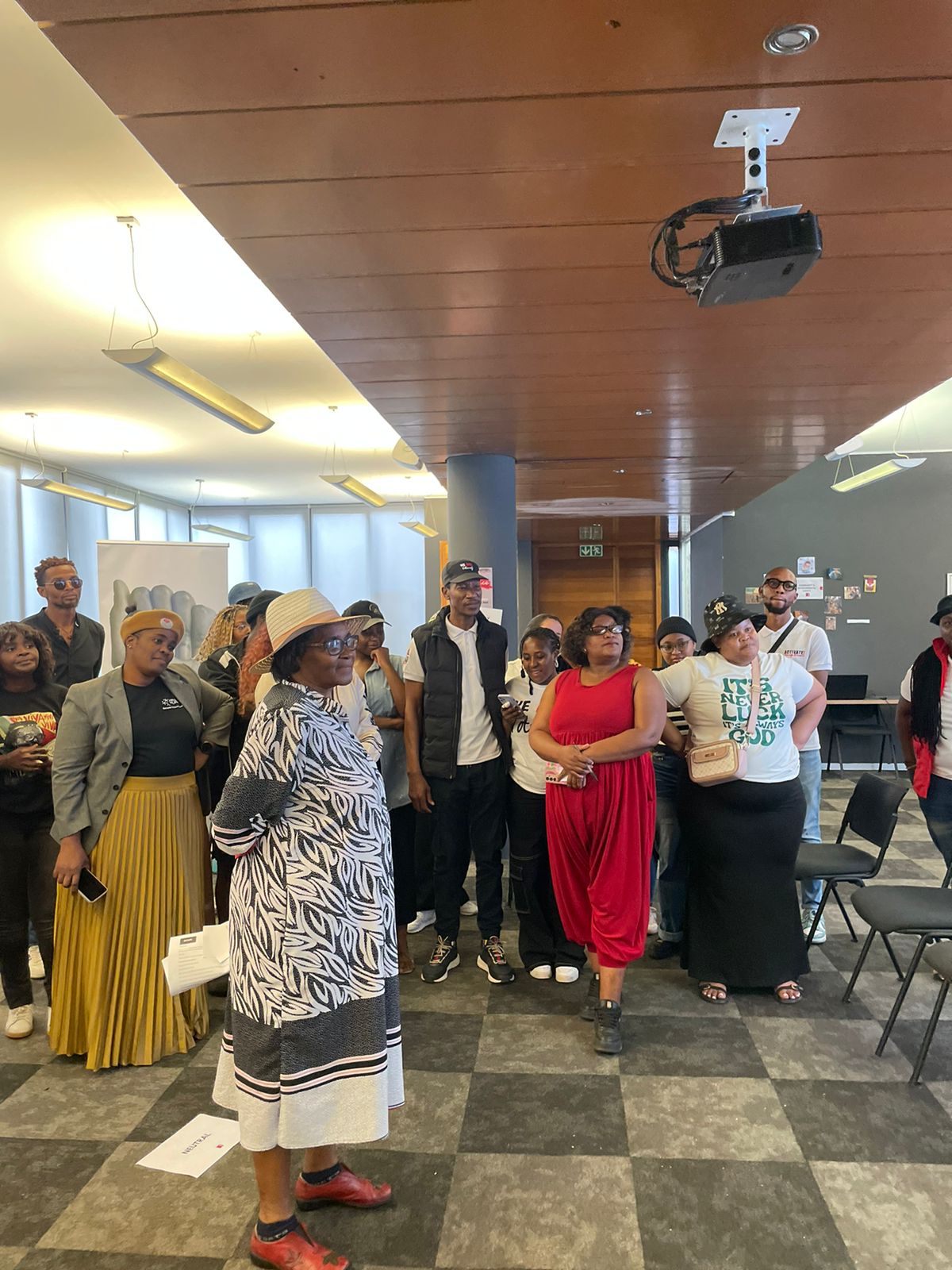
To end Human Rights Month, the network participated in the Constitution Hill Human Rights Festival and hosted a Civic education dialogue at the women’s jail. Key to the conversation was how we can use civic education to combat gender-based violence.
Coordinating the efforts of the youth network, network programmes lead Lebohang Zimba reflects on how the dialogue took on a hybrid approach, convincing attendees to come into the space.
“It was important for us to have a space within the Human Rights Festival to demonstrate the work of the network and learn from communities and organisations who participated in the festival”.
“I noticed how, as young people, we tend to relegate ourselves to having open conversations about issues that affect us. So, we had to mobilise attendance of our session through one-on-one interactions to present our work and how we want to draw many inputs to create solutions around gender-based month.”
“As a network, I am happy with how inclusive our conversation became across generational lines. During our session, we reflected deeply on how our personal experiences shape our shared lived reality in community”.
Actively engaged in the dialogue were Mansa Makua, Zandile Mabaso, and tourist Lais Velloso Garcia.
“This was a very informative and interactive session that tied together many social ills that we face as society. I think I loved how the session recognised and allowed for conversation about all the types of violence that are there and intersectionality thereof”, Mabaso.
“It was a robust and interesting session, and I like how it started very quietly, and we built into the session a dialogue. People shared different perspectives, and the facilitators did not just make us sit on chairs, but we engaged with the room’s pictures and even played a game”, Makua.
“It also honestly was great for me as a man to feel safe and comfortable with engaging in the session, as we tend to get shut off from gender-based violence conversation, and today I could speak with no hostility or fear”, Makua adds.
Joining the dialogue, having travelled from Brazil, was Lais Velloso Garcia.
“This session exceeded my expectations, and truly, the issues raised in the dialogues showed how structural gender-based violence is. I learnt a lot from the conversation. It was also interesting how relatable the topic and issues raised were, as we also face a lot of gender-based violence in Brazil. Today, we had people from different backgrounds and issues discussing different options and solutions. It’s clear that solutions to end gender-based violence exist within this country”, Garcia.
“Beyond Human Rights month, as a network, we intend to roll out a national campaign to interrogate whether governments see young people. Secondly, through our civic education campaign, my county, my community, my voice, my vote, we are planning to get involved in the local government elections and centre the participation of young people in the decision-making within the country”, Zimba adds.
————————————-
About the Author:
Zamayirha Peter is an Advocacy Communications Specialist with a decade of experience in multimedia journalism and communications. Her passion is using development communications to contribute to the advancement and empowerment of communities, particularly the youth, across the continent and influence global conversations through using strategic communication tools.





Responses