Wear Your Support: Meeting Men’s Needs to End Gender-Based Violence


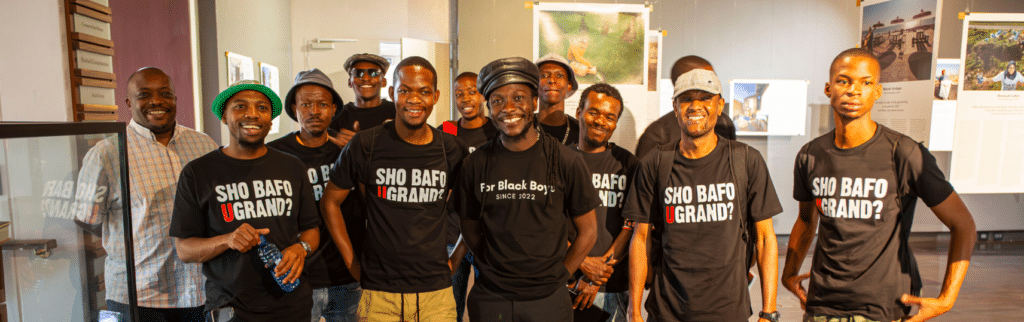
The Generation G coalition — comprised of Sonke Gender Justice, ACTIVATE! Change Drivers, and ActionAid South Africa — is a youth-led movement committed to building a gender-just and violence-free society. In June, as part of this mission, the coalition launched the Wear Your Support campaign to address the often-overlooked needs of men in vulnerable communities. The initiative tackles a critical but underexplored aspect of gender-based violence and femicide (GBVF): the link between men’s unmet needs, their mental health struggles, and the societal pressures they face.
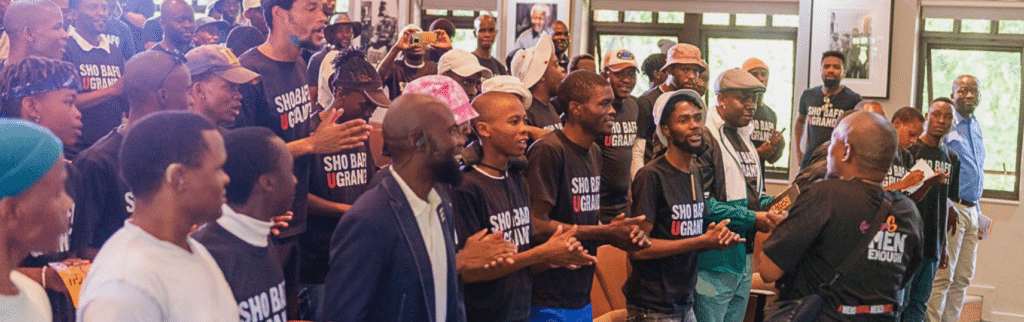
At its core, Wear Your Support seeks to challenge harmful gender norms by encouraging healthier models of masculinity and fostering safe spaces for emotional expression and support. It does so through community-based actions — including clothing drives, peer dialogue sessions, and educational initiatives — that not only restore dignity but open doors for men to talk about their struggles.
“We’re changing this by creating safe spaces where men discuss depression, unemployment, and the pressure to ‘keep up’,” says Siphesihle Nkosi, a community activist and Generation G Champion. “The ‘Indoda ayikhali’ (a man doesn’t cry) mentality silences men daily.”
Why Men’s Well-Being Matters in the Fight Against GBVF
In South Africa, many men face intersecting challenges — poverty, high unemployment, social exclusion, and limited access to health services. These unmet basic needs can compound feelings of failure and frustration, particularly in societies where masculinity is tied to being a provider and protector. When men are unable to meet these expectations, it can lead to shame, depression, and anger — which, when left unaddressed, sometimes escalates into harmful behaviours.
“Unmet needs, even for things like clothing and shelter, can threaten this internalised sense of worth,” explains Rammolotsi Sothoane, Strategic Partnerships and Special Projects Manager at ACTIVATE! Change Drivers. “It fosters shame, isolation, and a sense of failure, which can trigger or worsen mental health challenges.”
Importantly, acknowledging these issues is not about excusing harmful behaviour. As Sothoane emphasises, “centering men’s unmet needs within gender justice work doesn’t detract from accountability — it strengthens it.” Addressing the root causes of violence helps prevent it, but violence remains a choice. Accountability is non-negotiable.
Poverty, Masculinity, and Violence: A Dangerous Mix
The toxic blend of poverty, mental distress, and patriarchal expectations often creates fertile ground for GBVF. Men who feel disempowered may resort to violence to reassert control or masculinity. In some cases, economic dependence on a partner can result in resentment, control, or abuse. Femicide — the most extreme form of GBV — is frequently the tragic result of these unresolved tensions.
“Lack strips away feelings of worthiness, regardless of gender,” notes Nonhlanhla Dube, a Generation G Champion. “When men can’t provide, they either disappear or lash out. That’s why we have broken homes and communities.”
Public health data and lived experiences alike point to a significant gap in mental health services, particularly in townships and rural areas. Men are discouraged from seeking help, conditioned to suppress emotion, and often turn to substance abuse or aggression to cope. This silence breeds internalised trauma that too often spills over into the home.
“Mental health stigma doesn’t just keep men quiet,” says Mordecai Ndlovu of Generation G’s Gauteng Provincial Leadership Committee. “It keeps them disconnected from help, from healing, and from the people they love.”
Breaking the Cycle: From Support to Systemic Change
Wear Your Support is about more than giving clothes — it’s about restoring dignity and creating pathways for healing and growth. The campaign promotes non-judgemental spaces for emotional expression, trauma-informed and culturally relevant mental health services, and opportunities for economic empowerment.
For these efforts to be effective, however, they must be paired with strong messages about accountability and non-violence.
“Holding men accountable without offering support leads to shame and withdrawal,” says Ndlovu, who also leads the Mordecai Ndlovu Foundation. “Offering support without accountability can lead to denial and repeated harm. But when we do both — hold the line and open the heart — we begin to dismantle GBVF in real and lasting ways.”
Public education is key. South Africa must invest in awareness campaigns that destigmatise therapy and encourage emotional vulnerability among men. Mental health services must be made accessible in areas where they are needed most. And critically, society must shift its definition of masculinity — away from stoicism and dominance, toward empathy, emotional literacy, and mutual respect.
“When men’s basic needs are met,” Nkosi adds, “they become more receptive to changing harmful behaviours and facing consequences.”
Towards a Gender-Equitable Future
The work of ending GBVF cannot ignore men — nor can it centre them at the expense of survivors. It must find a balance: addressing men’s needs to break cycles of harm, while maintaining unwavering accountability. Supporting men’s well-being is not about shifting focus away from those affected by violence; it’s about preventing future harm and building stronger, safer communities for everyone.
As Dube puts it: “To end GBVF, we have to go to the root cause. You cannot fix the damage without understanding where it started.”
Campaigns like Wear Your Support are not just initiatives — they are invitations. They ask society to reimagine gender justice as something collective, compassionate, and courageous. Visibility leads to vulnerability, as Ndlovu says — and in that vulnerability lies the possibility of change.
About the Author:
Nadine Dirks is a writer, author, opinion-maker, activist, and communications expert. Her work, interests, and expertise lie in intersectional feminism, gender, and sexuality and includes sexual and reproductive health and rights particularly of marginalised people.