
The Youth of Tsakane Discover The Power Held by Their X on The Ballot Paper


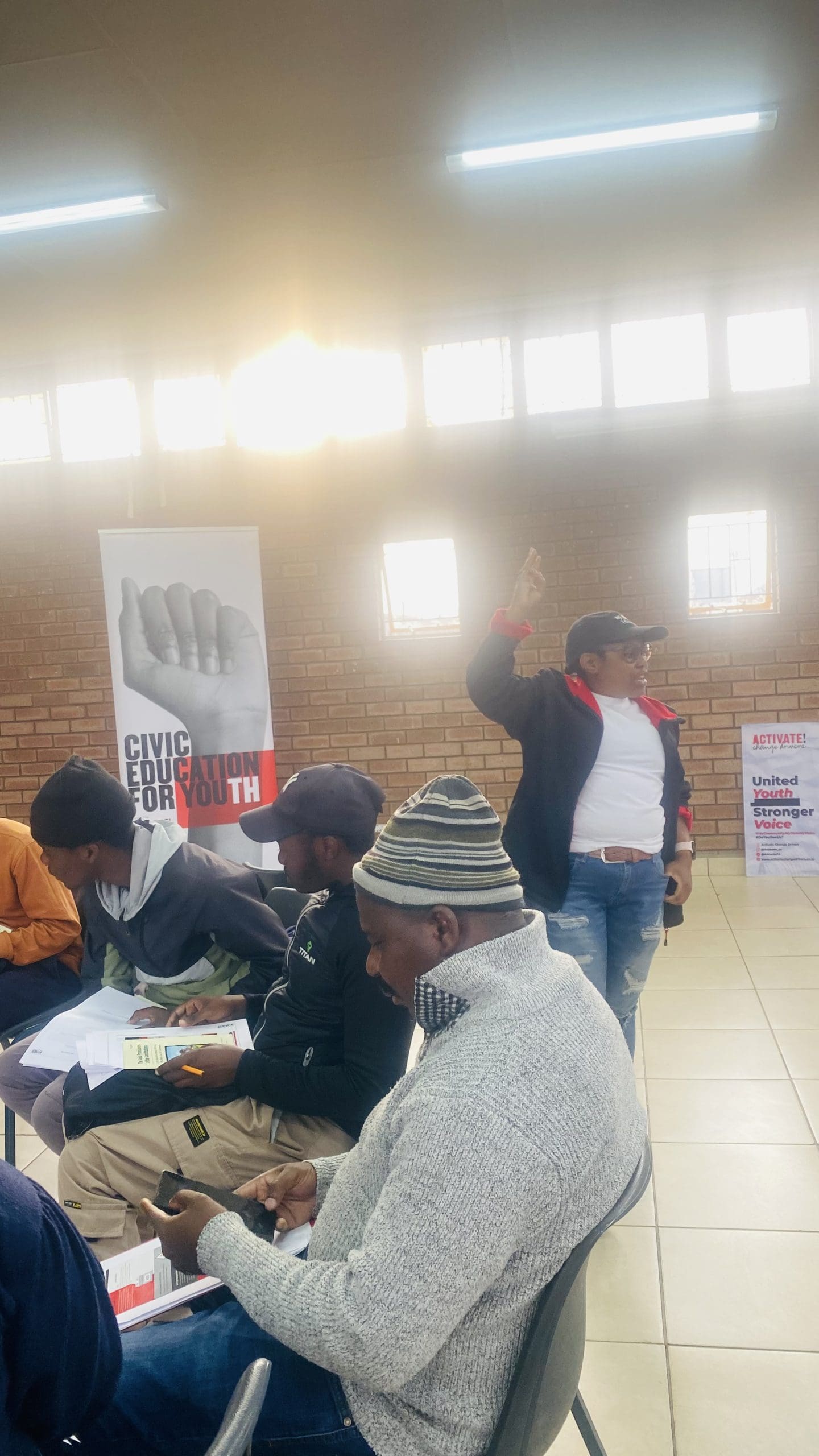
On 3 June 2026, Sandile Mlangeni (GP Connector) hosted a youth dialogue at Tsakane Library aimed at educating young people about voter registration and electoral processes. The session, supported by the Department of Social Development and the Independent Electoral Commission (IEC), targeted first-time voters aged 16–25.
Social Development Perspectives
The programme began with welcoming remarks by Mlangeni, followed by presentations from Khosi Fakude and Alred Mbenyani of the Department of Social Development in the City of Ekurhuleni. Fakude highlighted the department’s mandate of community development and shared various youth programmes, including life skills, entrepreneurship, career guidance, and crime prevention, which are all dependent on the needs of a particular community, all in the hopes of uplifting communities. To bridge the gap between what the community wants and what the local government can provide, there exists an IDP.
Mbenyani described the IDP (Integrated Development Plan) as a policy from the municipality where the local government engages with the local community and budgets for the needs of the community. According to him, “we can not plan for young people without them; young people have to participate in policy making”. A young person in the room expressed how a lack of knowledge on such structures in government exists, and so young people end up voting for certain parties, like the EFF, simply because they know of Julius Malema. This sparked some humour as most of them were not even aware that over 800 political parties are registered with the IEC.
Community Mapping Activity
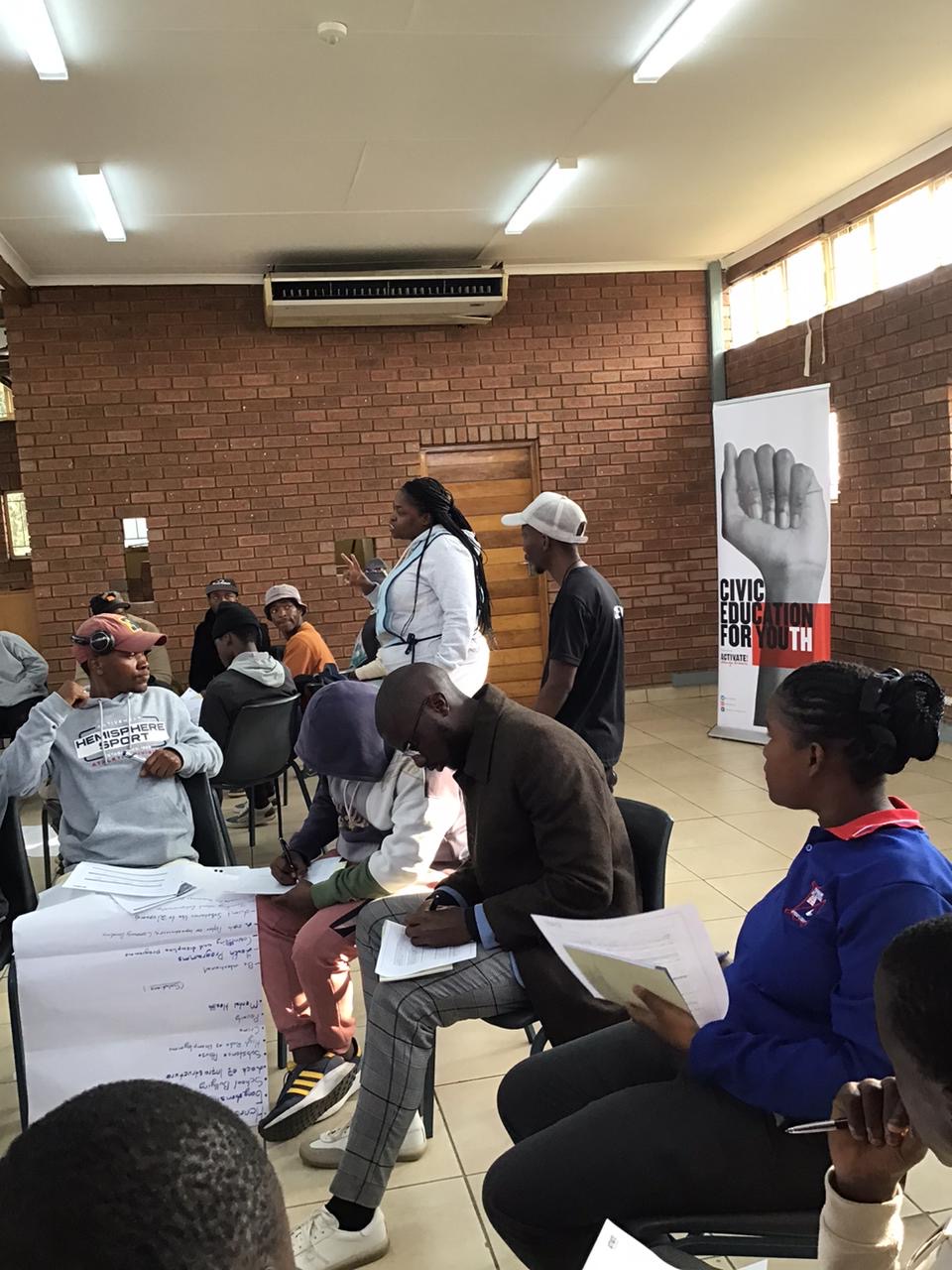
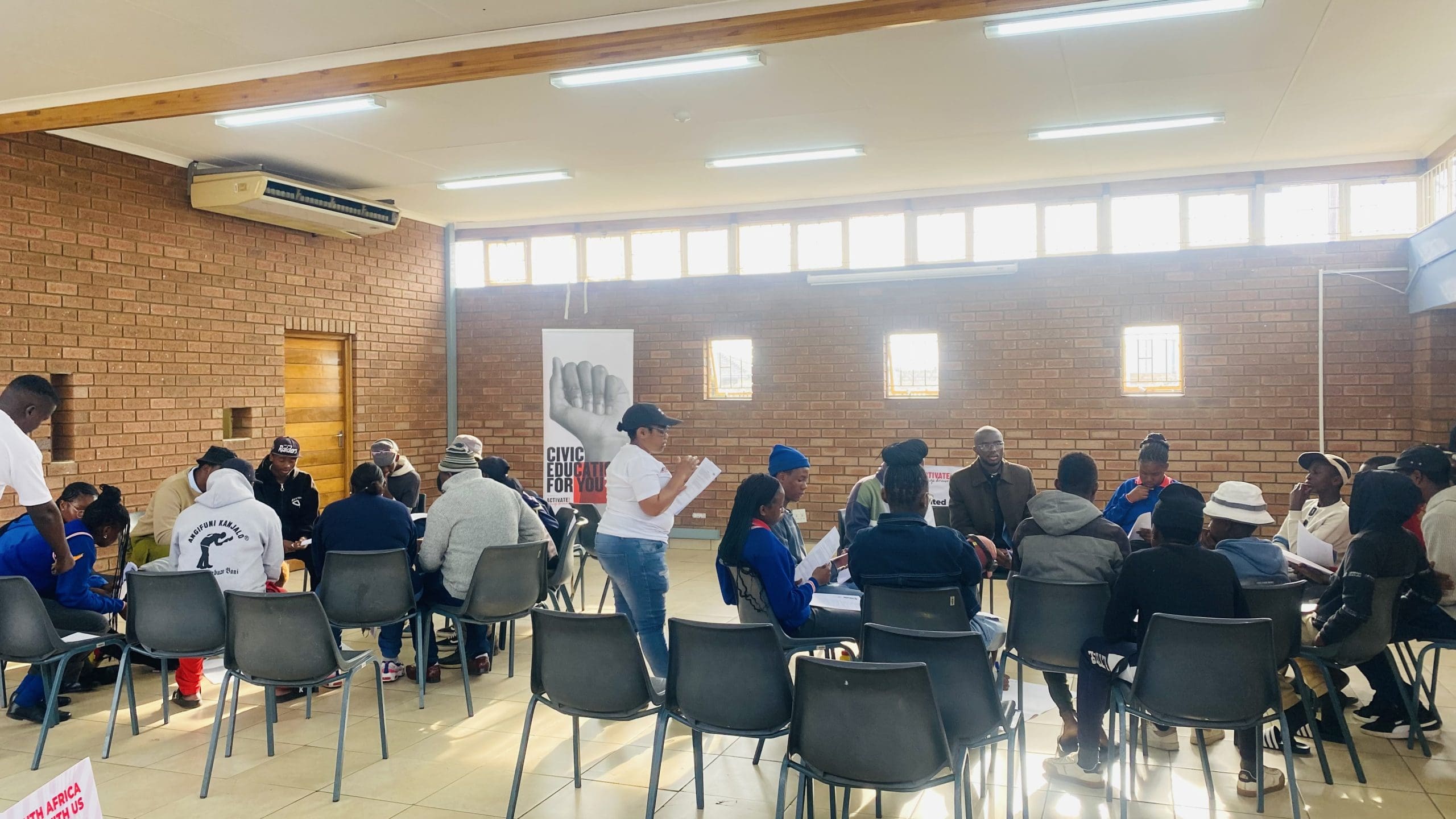
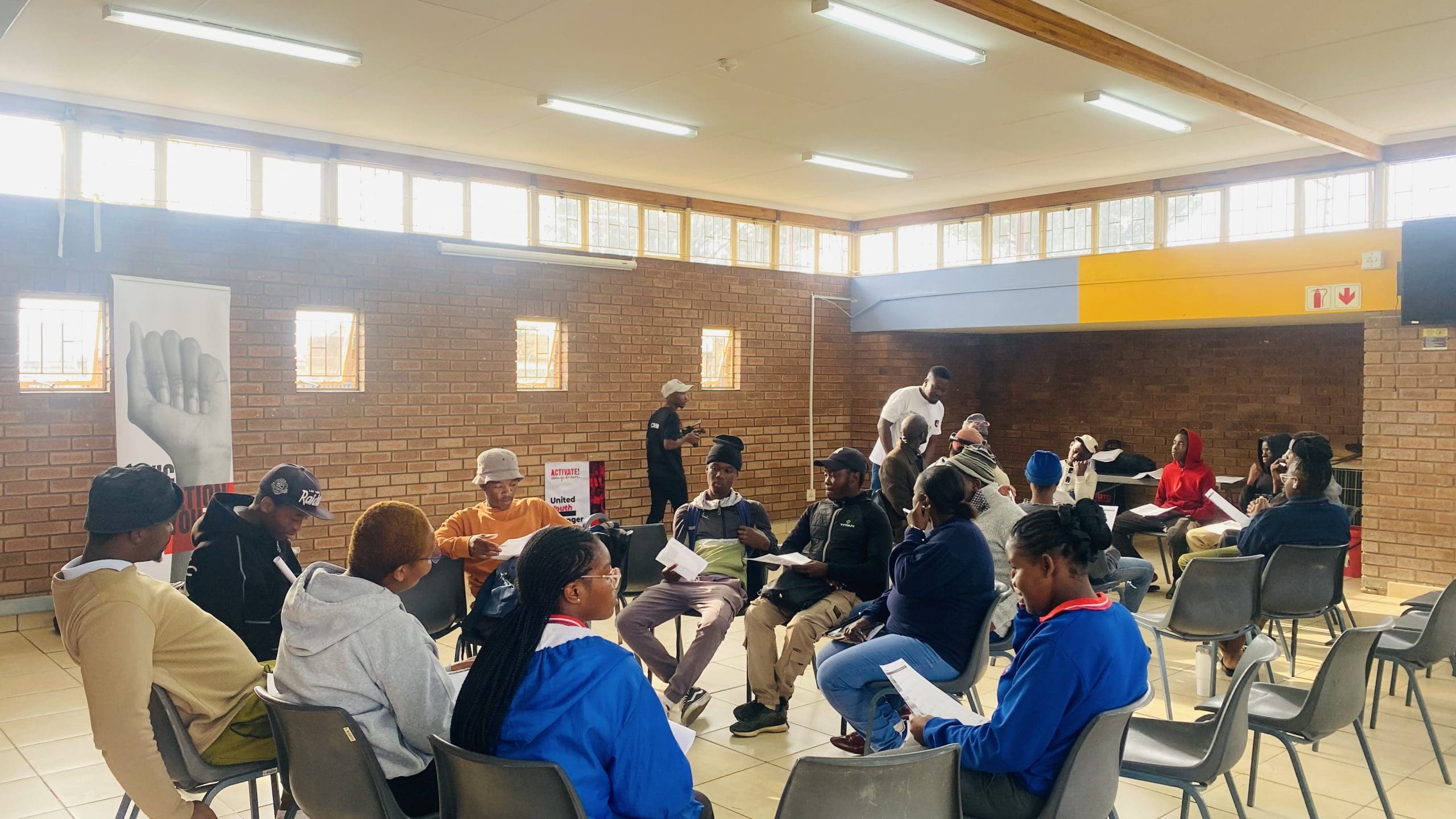
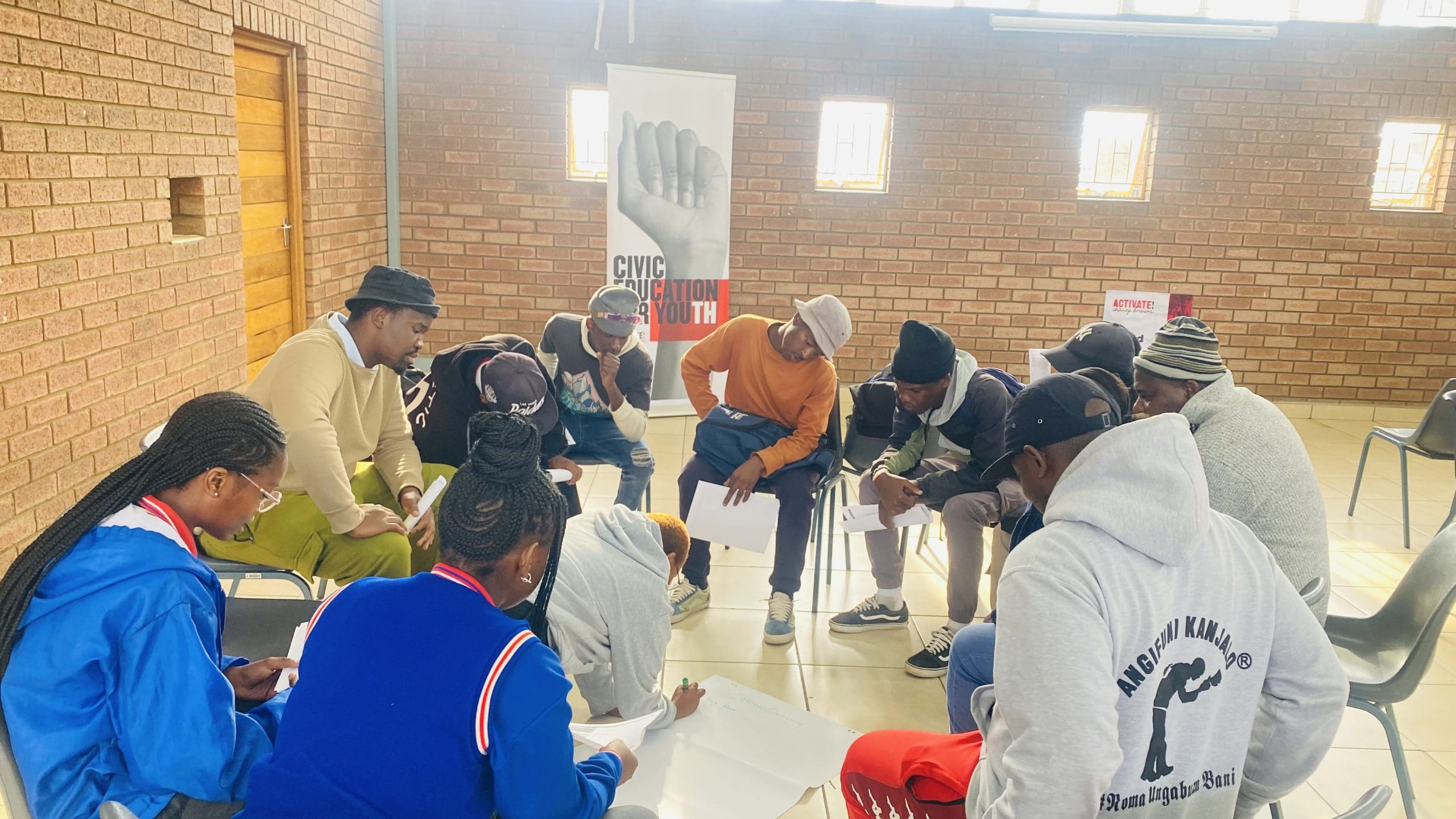
Facilitated by Mlangeni, the interactive session separated everyone into two groups where they drafted down community needs and resources and touched on how the IDP can help consolidate these. Fakude made a statement that “we need to hold our leaders accountable for the needs identified.” Many agreed with this, with one young person expressing that “silence is not the answer”. Instead, everyone realised that their silence on these community issues only intensifies them and leads to unresolved issues.
Understanding Voter Registration and Electoral Participation
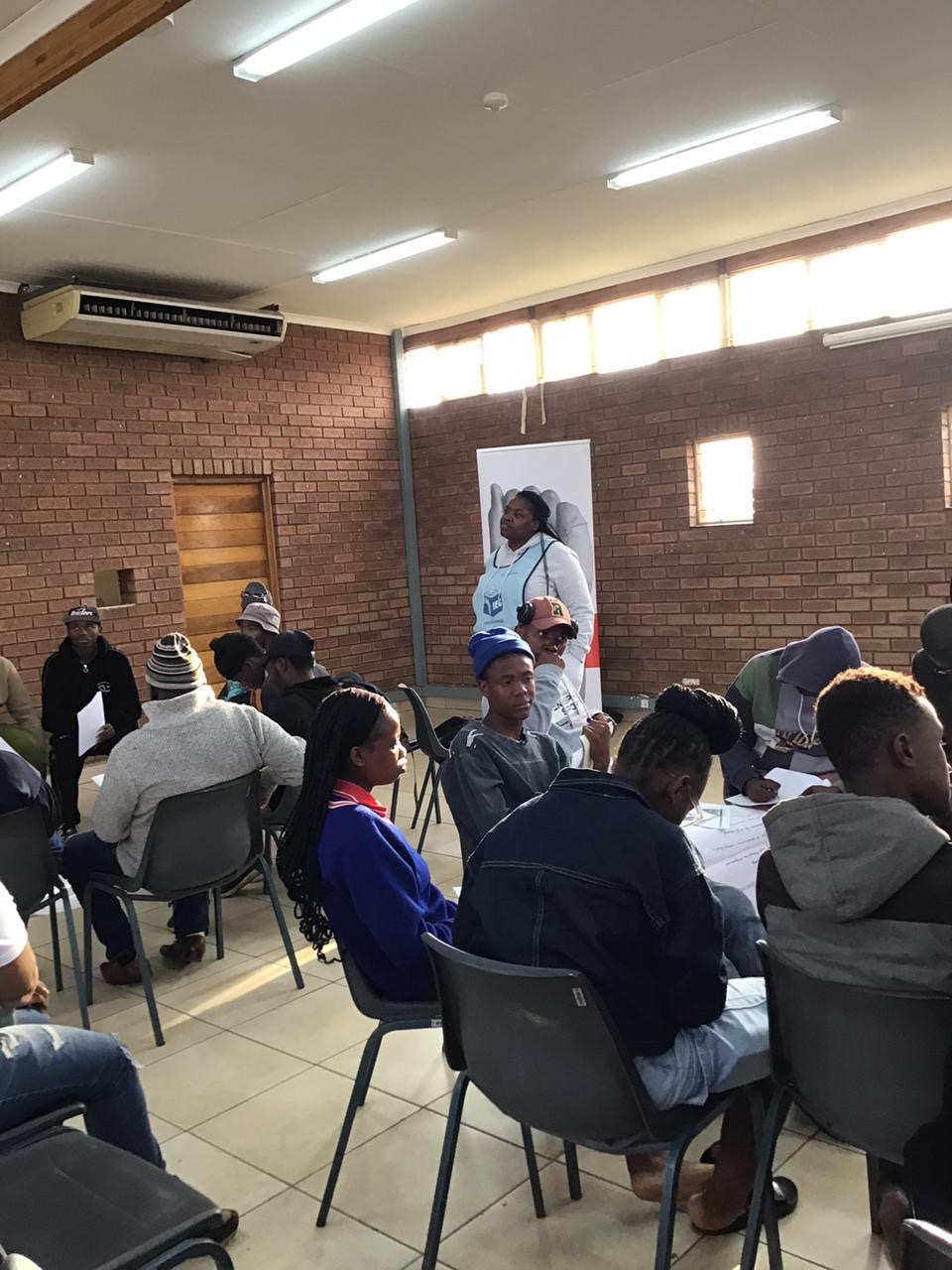
From the IEC Nigel Office, representatives Mpho Vilakazi and Thapelo Mabena provided information on voter registration, eligibility criteria, and the voting process. Vilakazi explained how they are in charge of running the elections for the country and how the voting system works. Each person has a designated branch where they should vote, and it is the right of each person to choose who they want in power, but it is the responsibility of each citizen to register in time, whether online or with anyone from the IEC. Special votes exist but only apply to certain people under certain conditions, such as to those who can not make it to the voting station because of disability or are bedridden, and to those who will be at work during voting hours. People can register for these online as of August.
Eligibility to register to vote: be at least 16 years old, a South African citizen, and have an ID.
Eligibility to vote: be at least 18 years old, a South African citizen, and have your ID in hand.
Those who registered to vote might not be eligible to start voting.
According to Vilakazi, “that X of yours speaks on who you want in power. To avoid old people making decisions for us as young people, we need to go out and vote. Change needs to start with young people such as us in the room.”
The lack of male participation in the IEC saddens Mabena. He often finds himself as the only male amongst females on the ground, and he calls for full-on participation from the males, not just in voting, but also in doing the work on the ground for the IEC.
Youth Voices Present
Sonwabile Nkosinathi Sothuko, a 22-year-old from Ward 83, found out about the dialogue online, and at the end found it to have been eye-opening and necessary for self-development. It served as a reminder to him that change must come from young people. He is a registered voter who will be participating in the upcoming elections, but expressed his disappointment in seeing change within his community during voting season, such as now, the street lights at Tsakane are being changed from using electricity to being solar-powered, in the name of using a renewable source, just because the current local government is seeking votes.
Banele Maseko, who is a 20-year-old, found the dialogue very informative because he had limited knowledge of how the voting system works. He had often believed that the results were being rigged and that the winning party had already been decided on from the beginning. But thanks to the presence of the IEC, he now stands as a well-informed young person. His message to another 20-year-old is that “voting is important and if they don’t vote, their expectations won’t be met because those in power who are not delivering services will always be in power”. He has also made a promise to register to vote and show up in the upcoming elections.
According to Nompumelelo Nhlapo, GP Champion, who attended the engagement to support a fellow activator, believes the engagement served its purpose because of the participation she witnessed and the interest of young people to register to vote with the IEC at the end of the day.
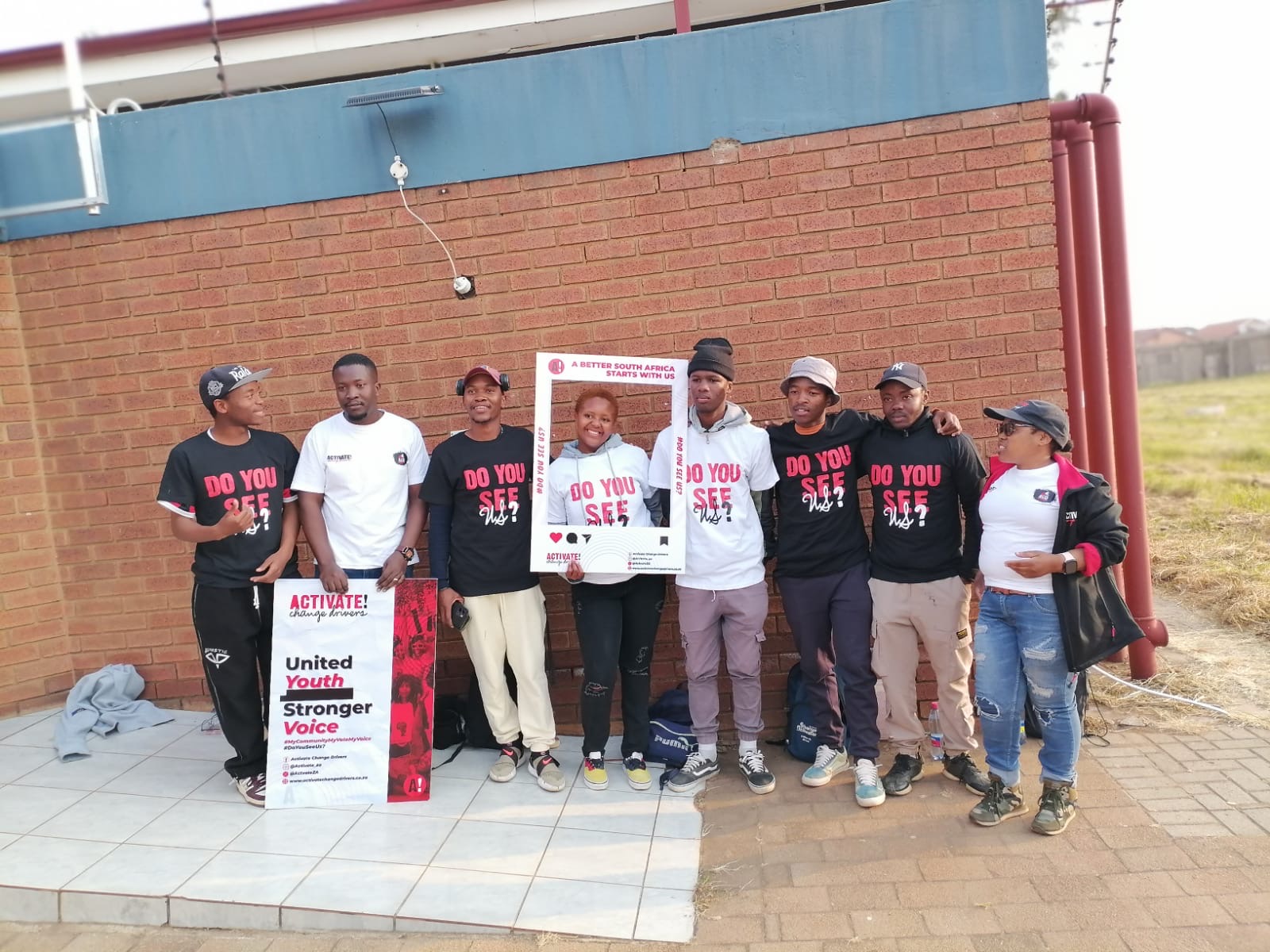
At the end, participants received t-shirts from Activate Change Drivers and light snacks as a token of appreciation for their presence and full participation.
—————————————–
About the author:
Londiwe Mnguni is an active young person passionate about community development and social change, with a deep commitment to contributing meaningfully to initiatives that empower and uplift communities.





Responses