
How Emmanuel Prosper Mafuma Turned Farming into a Mission of Social Justice


Every July, South Africans are reminded that Mandela Day is far more than a symbolic date on the calendar. It is an invitation to confront the uncomfortable question of whether acts of service can outlive a single day of volunteering. While countless individuals devote 67 minutes to community work, the deeper challenge is whether those minutes evolve into a lifelong commitment to restoring dignity where it has been lost. Across the country, there are ordinary citizens quietly answering that call every day, demonstrating that the true measure of Nelson Mandela’s legacy is not found in ceremonies, but in sustained action that changes lives one family at a time.
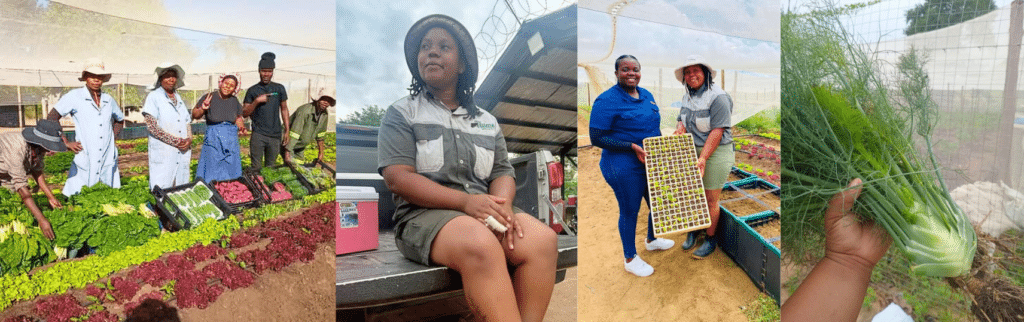
Among those carrying that responsibility is Emmanuel Prosper Mafuma, an Activator with ACTIVATE! Change Drivers and the founder of Vision Youth Group Primary Cooperative. His work stretches beyond the familiar boundaries of farming, reaching into the heart of social justice, food security, youth development, and community rehabilitation. Although agriculture is the visible face of his organisation, the deeper mission is restoring hope in households where poverty has become an inherited reality. For Mafuma, cultivating vegetables is inseparable from cultivating human dignity, proving that meaningful development begins where communities live rather than where policies are penned.
His journey reflects a story of purpose shaped by both faith and perseverance. Born in Gamamaila Phaphadi in Limpopo, he attended Kubune Primary School before relocating to Pretoria as a young boy, where he completed his primary education at Jopie Fourie Primary School in Salvokop and later matriculated from Lotus Gardens Secondary School in 2007. Between 2009 and 2013, he studied theology at Heartfelt Family Church, a period that would profoundly influence his understanding of service and compassion. It was during this time that he became a beneficiary of the City of Tshwane’s Tshepo 10,000 Programme, an experience that would ultimately redefine the direction of his life.
Vision Youth Group itself was born from that opportunity. Established as beneficiaries of the Tshepo 10,000 Programme under the leadership of former Tshwane mayor Kgosi Entso Ramokgopa, the cooperative emerged after a year of intensive training, mentorship, and cooperative development. What began as a Plant and Vegetable Production Learnership gradually evolved into an ambitious community-centred initiative that places people before produce. Rather than seeing agriculture as an isolated economic activity, Mafuma recognised it as a practical instrument for social transformation.
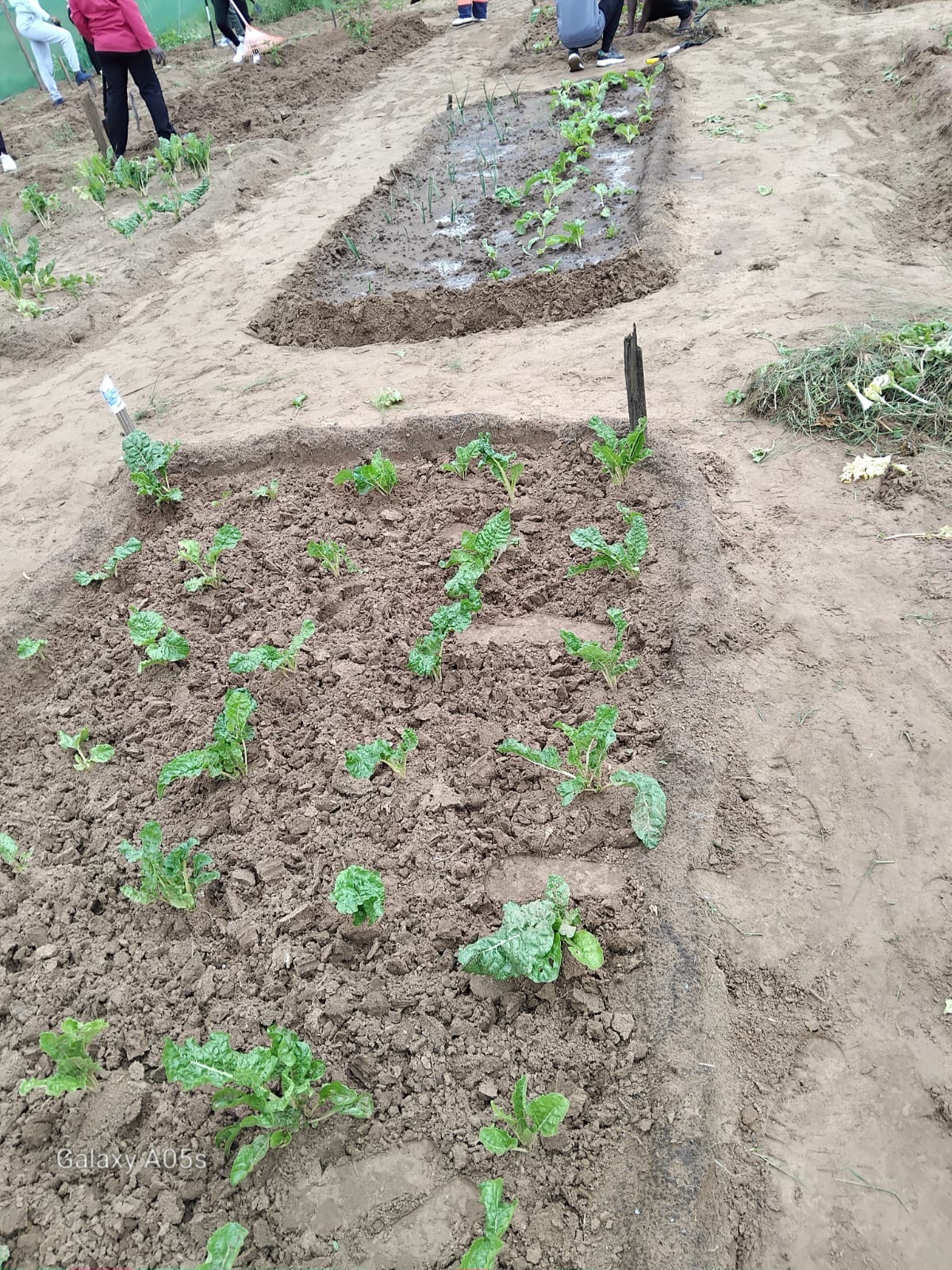
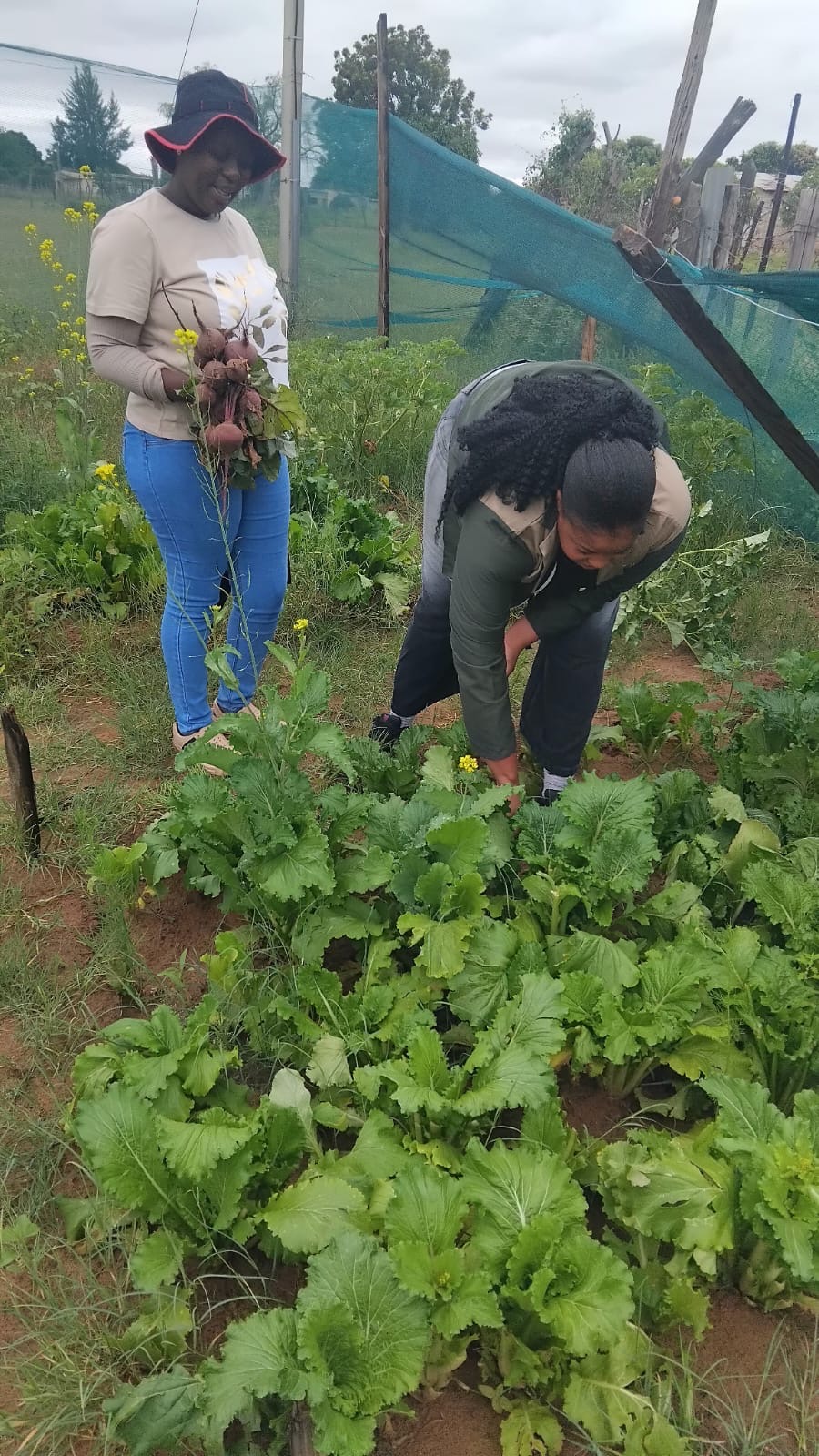
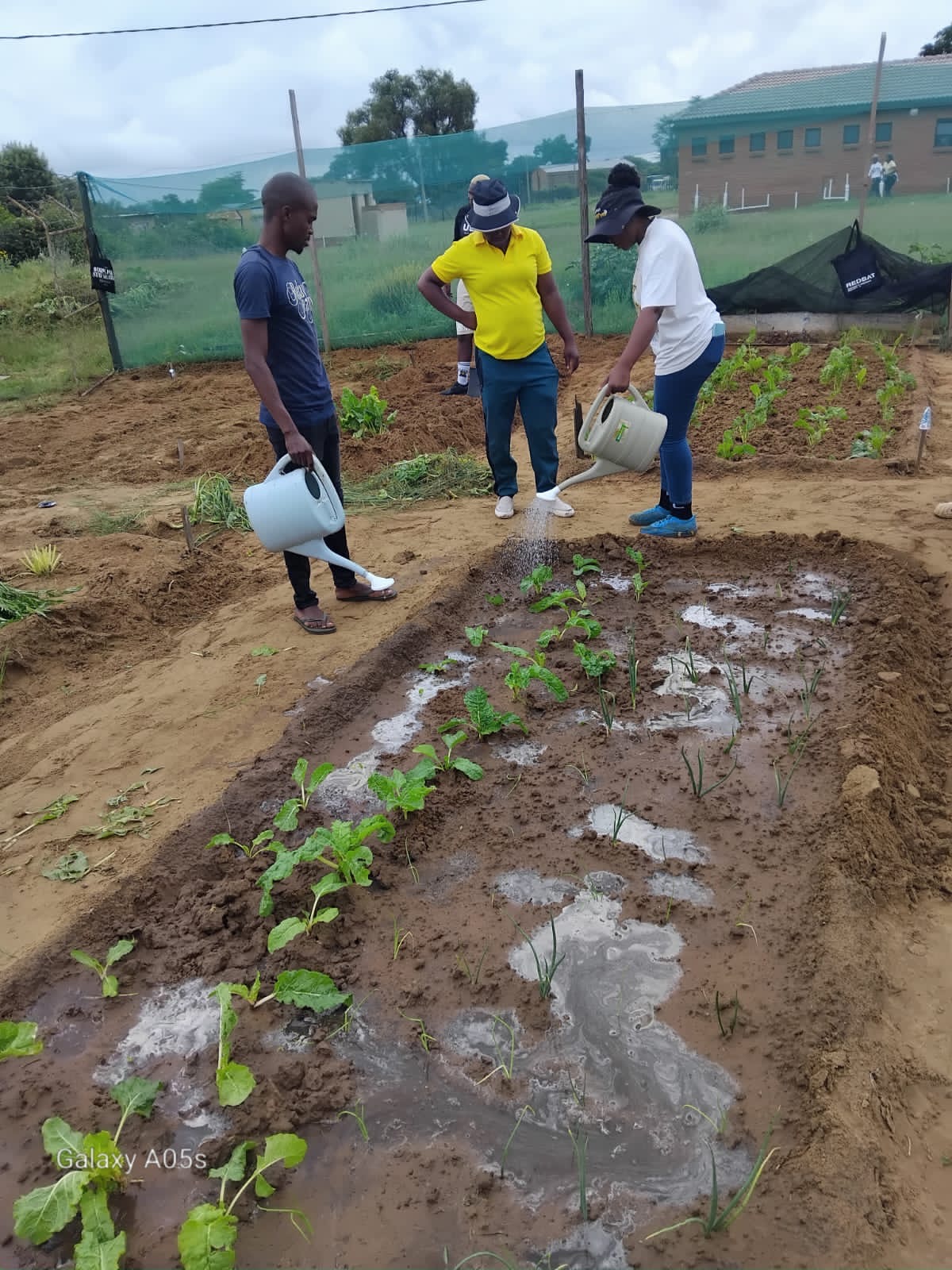
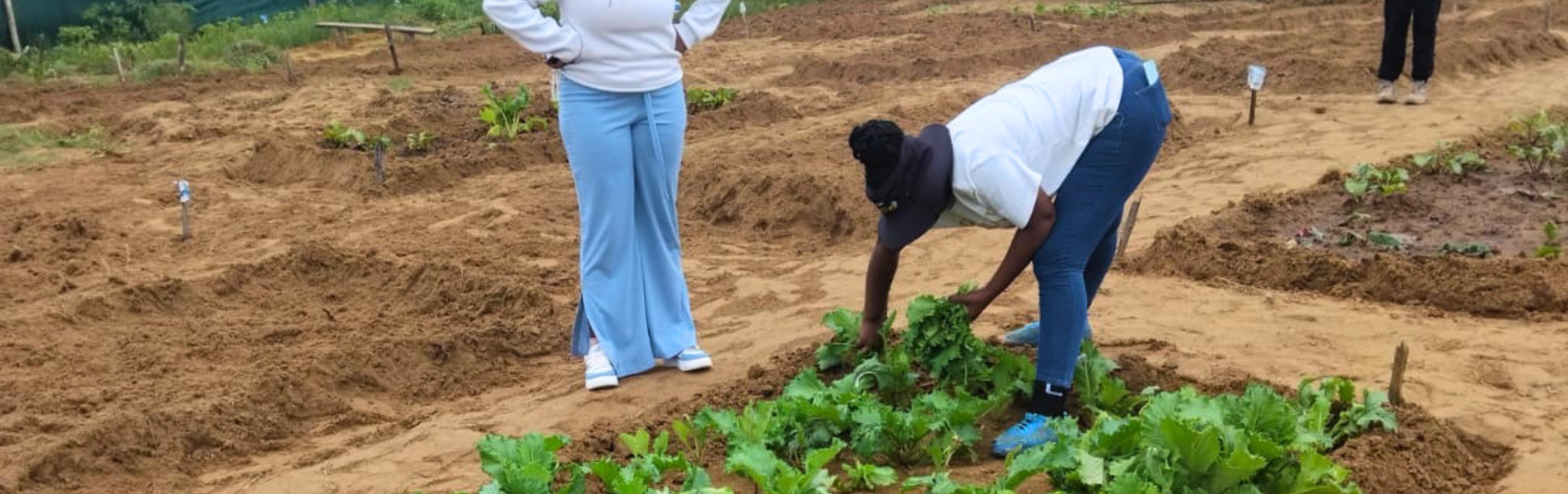
Today, that philosophy has taken shape through the House-to-House Gardens Initiative, a model designed to reach families where they are instead of expecting vulnerable households to seek aid themselves. Teams visit homes to assess available land for food gardens and fruit orchards while simultaneously identifying the social needs affecting each family. The elderly, people living with disabilities and households trapped beyond the poverty line receive particular attention because, as Mafuma explains, “No home should go hungry.” That simple conviction shifts food production from being an agricultural exercise to becoming an act of social rehabilitation.
His understanding of justice also reaches beyond immediate relief. “Vision Youth Group is about bringing social justice to all mankind,” he says, describing a vision where youth-led cooperatives produce different crops on a larger scale while creating sustainable employment opportunities. It is an approach that refuses to separate economic empowerment from human dignity. Instead of treating poverty as an inevitable condition, the initiative challenges communities to become producers rather than perpetual recipients of support. In doing so, it quietly dismantles the cycle of dependence that has burdened many rural communities for generations.
Equally compelling is Mafuma’s belief that the future of young people depends on rediscovering the wisdom of older generations. His network of twenty “Gogo Champions” stands for far more than a volunteer group. These elderly ambassadors transfer agricultural knowledge, life experience and community values to younger people while mentoring other gogos across rural communities. Reflecting on this philosophy, Mafuma explains, “If we can listen to the wisdom of the old and be their strength and use their insight and networks we shall never suffer.” In a society often captivated by innovation alone, his work reminds us that sustainable progress is strengthened when experience walks alongside youthful energy.
That intergenerational vision extends into environmental stewardship through the cooperative’s promotion of the moringa tree. As schools reopen, learners will receive moringa cuttings and seeds to plant at home, while a competition recognising the best photographs and the most inspiring stories about grandmothers will encourage family participation across districts. Beyond its nutritional value, Mafuma highlights the remarkable ability of crushed moringa seeds to assist in cleaning water, using this campaign to spark conversations about water security in communities such as Hammanskraal, where clean water remains an ongoing concern. The initiative illustrates how education, environmental awareness and community participation can flourish together through practical action.
His commitment to service has never been confined to agriculture alone. In 2016, Mafuma participated in a remarkable fifteen-day walk from Pretoria to Durban alongside Transorange School for the Deaf in support of disability education, further demonstrating that advocacy requires both endurance and visibility. Partnerships with ACTIVATE! Change Drivers, YARDSA, churches, traditional councils and other community structures continue to strengthen the reach of Vision Youth Group as it expands its House-to-House model beyond Pankop, Marapyane and Vaal Bank (Villages in the shallow part of Mpumalanga). These collaborations reflect an understanding that lasting change is rarely achieved in isolation.
As Mandela Day approaches once again, perhaps the greatest tribute we can offer is not measured by the number of blankets donated or photographs taken during 67 minutes of service. It is quantified by whether we are prepared to build communities where dignity, opportunity and compassion become everyday realities. Emmanuel Prosper Mafuma’s journey reminds us that the legacy of Mandela is not sustained through grand speeches, but through persistent acts of neighbourliness that restore hope from one doorstep to the next. As he often concludes his engagements, “May the Creator of all things be with you and may He make His face to shine upon your face.” In those words, lies a fitting reminder that the most enduring form of leadership is service that continues long after Mandela Day has passed.
————————————–
About The Author:
Mpho (MrSir) Matlhabegoane is a member of the ACTIVATE! Change Drivers Writers Hub. He became an Activator in 2019. He is a Mental Health Awareness Advocate, and to spread mental health awareness, he authored and published three books that are accepted by Gauteng Department of Education as of 2026, namely: The Story of MrSir (Word For The Record), Expanding The World Of Nerds, and Views and Emotions (Poetry Journal of MrSir).






Responses