Generation G Hosts Transformative Men’s Dialogue in Mthwalume to Tackle Gender Norms and Violence

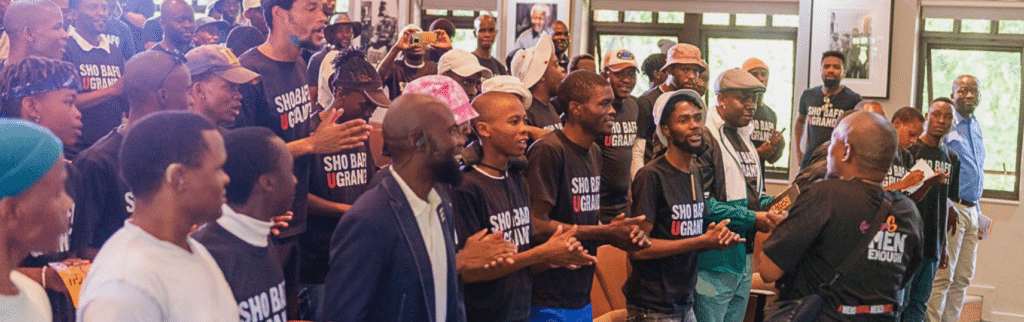
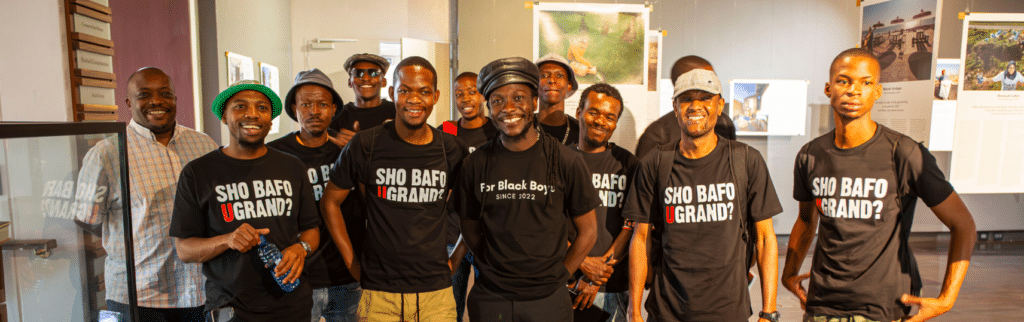
MTHWALUME, KWAZULU-NATAL — On 25 June 2025, the usually quiet Sbanini Hall pulsed with urgency and introspection as men of all ages gathered for Ukudodiswa Kwabafana, a community dialogue hosted by Generation G(ender) a coalition programme that comprises of; Activate Change Drivers, Sonke Gender Justice and Action Aid.
The event aimed to challenge deep-rooted ideas of masculinity, address unspoken trauma, and open safe, inclusive spaces for healing, reflection, and accountability.
Ward councillors, the Chief Whip of Council Mr Magaye, Reverend Zulu, and representatives from Umzumbe Municipality, the Department of Health, Correctional Services, MYCDP Youth Hub, and Zomnotho Community Development were also present, highlighting both community and institutional support for the initiative.
Emotional Suppression: A Dangerous Legacy
One of the most urgent themes was the cultural expectation that “indoda ayikhali” (a man does not cry). Many attendees reflected on how emotional suppression contributes to depression, domestic violence, and intergenerational harm.
“Our fathers taught us to bottle everything. But now we’re exploding into our relationships, our children, and ourselves,” said one participant.
Facilitators and community leaders emphasized the need for emotional education in boys’ development, including youth mentorship, healing circles, and safe spaces to express vulnerability without shame.
Creating a Safe Space for Honest Dialogue
Opening the programme, Thabani Kalala, Generation G’s KwaZulu-Natal-based Gender Justice Champion, stressed the need to meet men where they are.
“So many of our brothers are hurting in silence because they’ve been taught that expressing pain is weakness. Today, we’re saying vulnerability is strength. Today, we begin to unlearn what has wounded us.”
He added:
“We need more programmes like Ukudodiswa Kwabafana. Some men won’t come to us because they feel judged. We must go to them even into taverns or on street corners. That’s where healing must reach.”
Lindiwe Mjwaha followed by welcoming attendees and introducing the speakers, setting the tone for a day of unity and transformation.
Health, Healing, and Hard Truths
A central focus of the dialogue was how men’s health remains an overlooked and often taboo topic especially in rural areas. Participants raised concerns about how men frequently avoid clinics, rely on their partners for health updates, and often only seek help when conditions have already worsened.
“We wait until we’re seriously sick before going to the clinic, and even then, we send our girlfriends to ask questions for us,” one man shared.
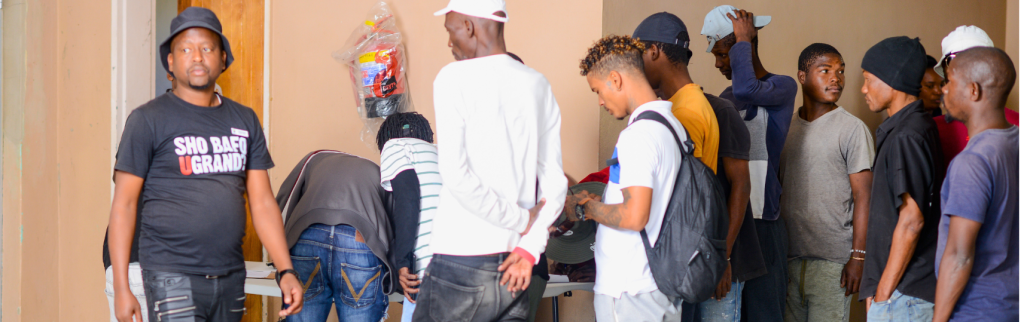
To break that pattern, a health station at the event offered free HIV testing and counselling. A facilitator from MATCH used red and black beads to visually demonstrate HIV transmission and suppression, introducing the empowering concept of U=U—Undetectable = Untransmittable.
“When you know your status and stick to treatment, you take back your power,” he said. “But blaming your partner when you didn’t test isn’t accountability it’s avoidance.”
Mr. Ndlovu, a nurse from the Department of Health, echoed these concerns:
“Men don’t come to the clinic. It’s mostly women. Many men still believe they’re bewitched when they fall ill. That silence delays healing, and the burden falls on women to monitor both their health and ours.”
The discussion led to practical ideas for inclusive, male-friendly healthcare like mobile testing sites at taxi ranks and taverns, home delivery services for medication, and peer-led awareness campaigns that center masculinity as a source of strength, not shame.
When Pain Becomes Punishment
A speaker from Correctional Services shared how many inmates live with unresolved trauma and how most men in prison didn’t know how to process pain. They lashed out, and now they live with regret.
That truth hit home when a young man shared his personal story:
“I was in prison when both my parents died. I couldn’t bury them. I lost everything including my home, family, even myself. Now I’m starting from zero because I didn’t know how to talk. I only knew how to hit.”
Community Concerns and Collective Solutions
During the open discussion, men raised urgent issues including substance abuse, youth unemployment, grief, fatherlessness, and the absence of male role models.
“Why aren’t we taught how to handle pain before we pass it on?” one participant asked.
Together, the room mapped out a path forward which includes extending these dialogues to schools, taverns and sports grounds, establishing check-in circles and mentorship programmes, creating wellness hubs where boys can safely speak, question and grow, training local male ambassadors to lead with vulnerability and vision ensuring that men are accommodated and have someone who will listen and not judge.
Theatre That Reflected Reality
Before the final speaker, a short play by local youth shook the room. The story followed a family in crisis, a jobless father ashamed of his role, a child turning to drugs and a mother worn down by pressure.
The closing line lingered long after the performance.
“We are all just carrying pain with no place to put it.”
A Call to Rise Above Silence
Closing the dialogue, Reverend Zulu urged men not only to reflect, but to commit to change. He spoke about how healing starts with confessing that a man who cannot confront his wounds will pass them on and healing words about how a man who is brave enough to change becomes a blessing to his family, his partner, and his nation.
His words served as a final charge to see accountability not as shame, but as transformation.
Reflections and a Path Forward
Mzokuthula Dlamini shared:
“What stayed with me most was learning how to treat women with dignity and respect. I also realised how much they carry too.”
Nqubeko Mkungo added:
“The representative from Correctional Services spoke about how prisons are full of men like us who didn’t speak when they needed to. I’m not going to be that man anymore.”
A ward councillor from Ward 10 reflected:
“We’ve seen change already. Some boys once feared by the community are now asking for help, asking to be better. That shows this work matters. These kinds of dialogues should be normalised especially in communities like ours, where opening up is often seen as weakness.”
Youth advocate Zikalala, who coordinated the event, echoed the message:
“Sometimes we speak too late, after harm is done. This space gave us permission to speak early, to speak truthfully, and to listen like our lives depend on it. Because they do.”
A Cultural Shift, Not Just a Conversation
As the dialogue ended, some men sat in thoughtful silence. Others exchanged contacts. Many lingered in groups that didn’t exist before this day.
“Today proved what we’ve always known,” Kalala said. “Men are not the problem. They’re part of the solution if we give them space to feel, speak, and heal.”
The message from Mthwalume is clear: healing begins not with answers, but with honesty and it must begin now.