
Alive, Here to Stay: Durban Pride 2025 Champions Visibility, Dignity, and Belonging

“We are alive. We are here to stay. And we are human too.”
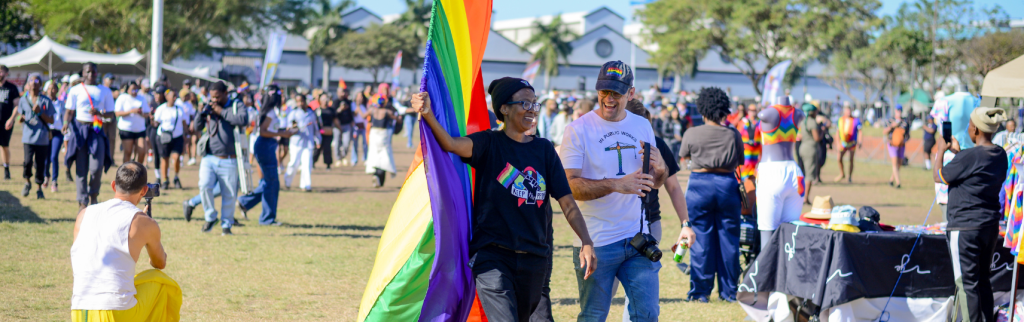
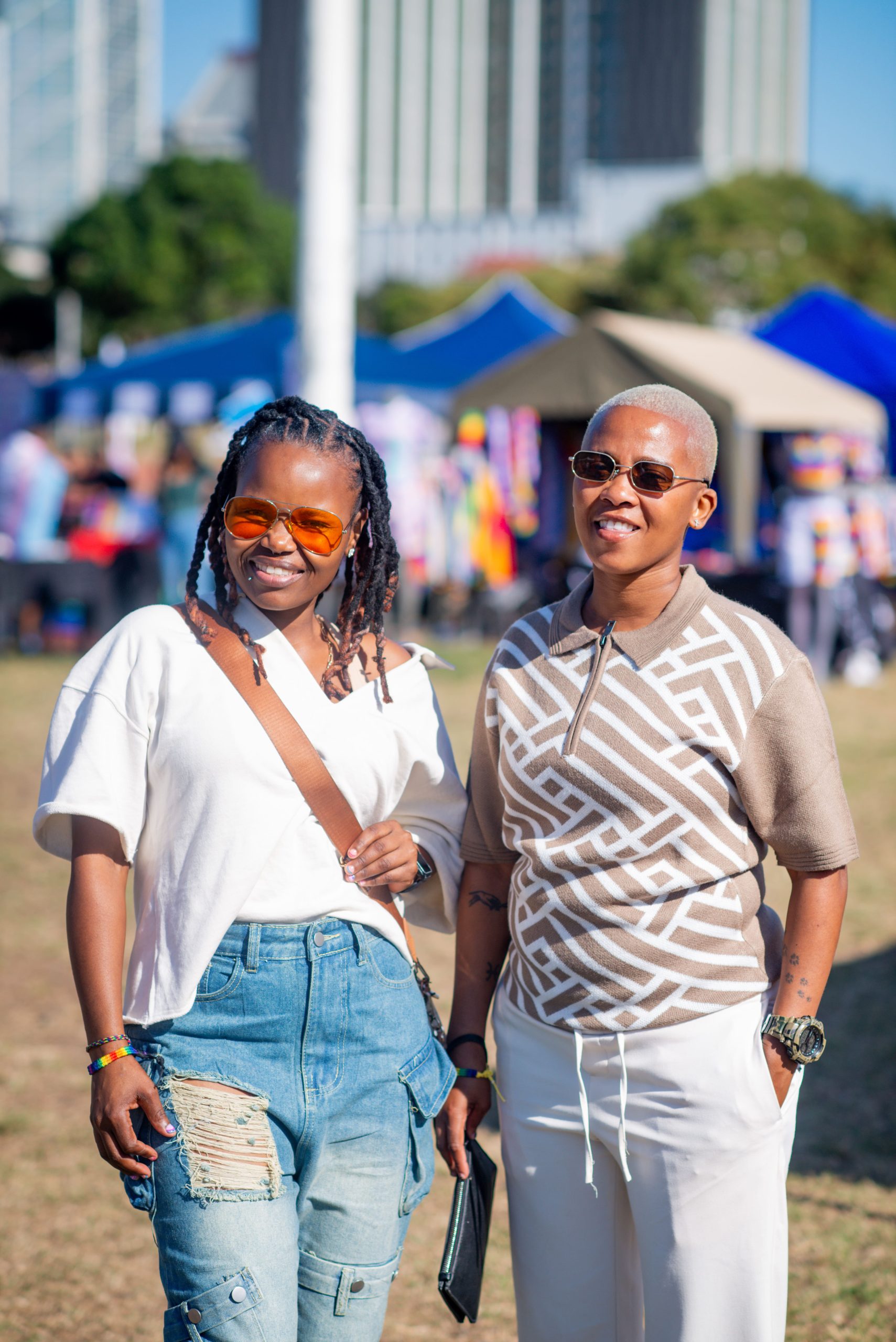
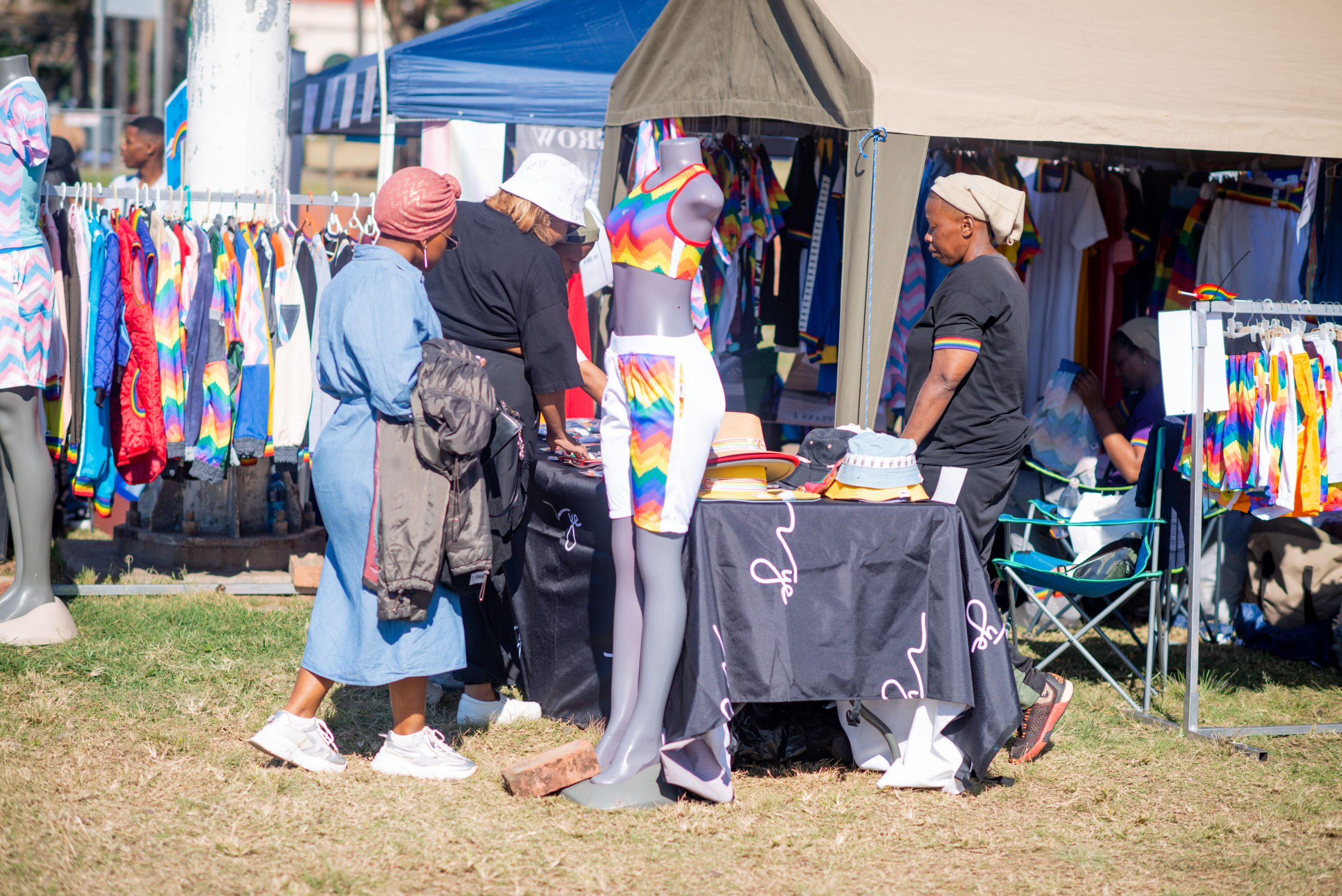
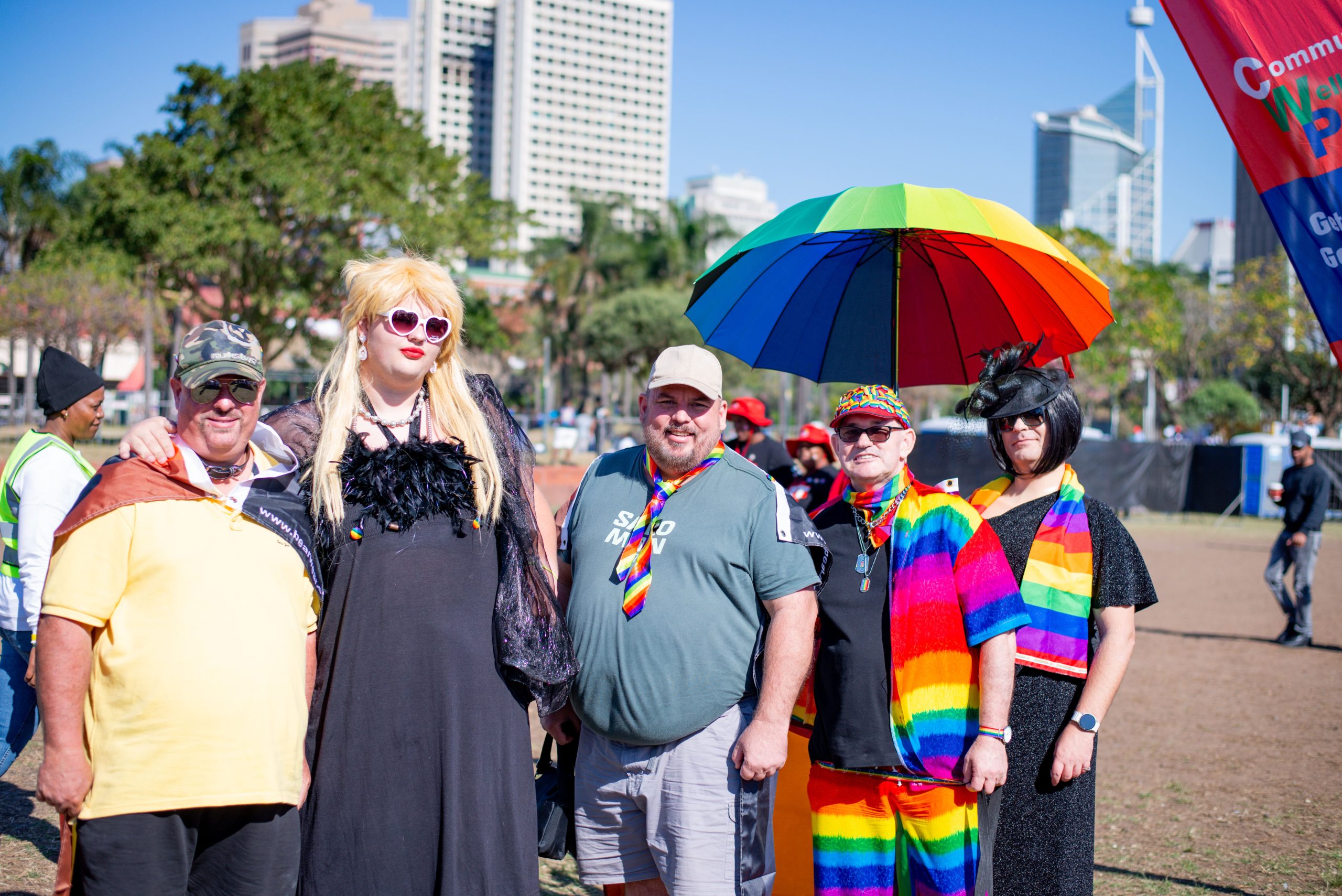
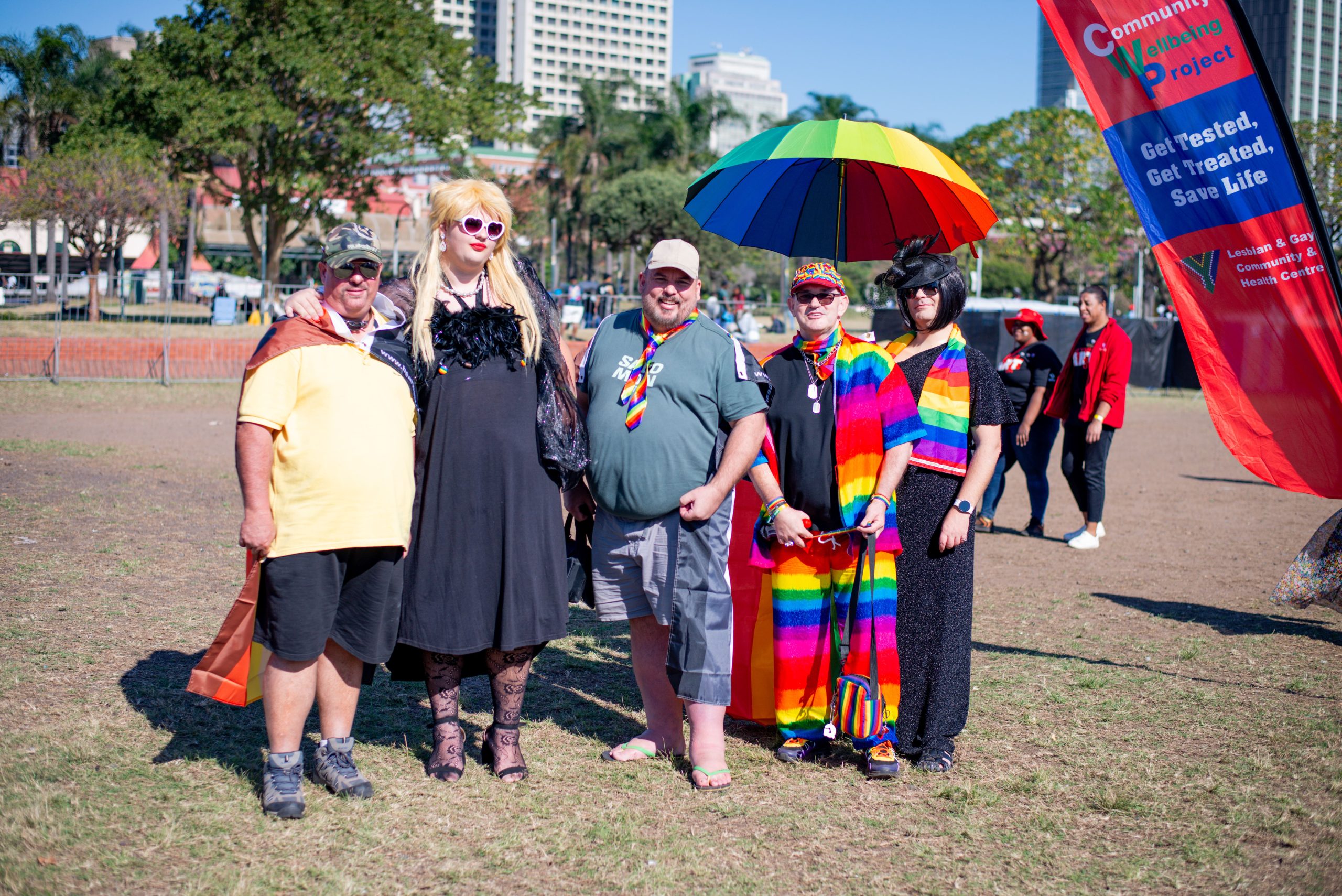
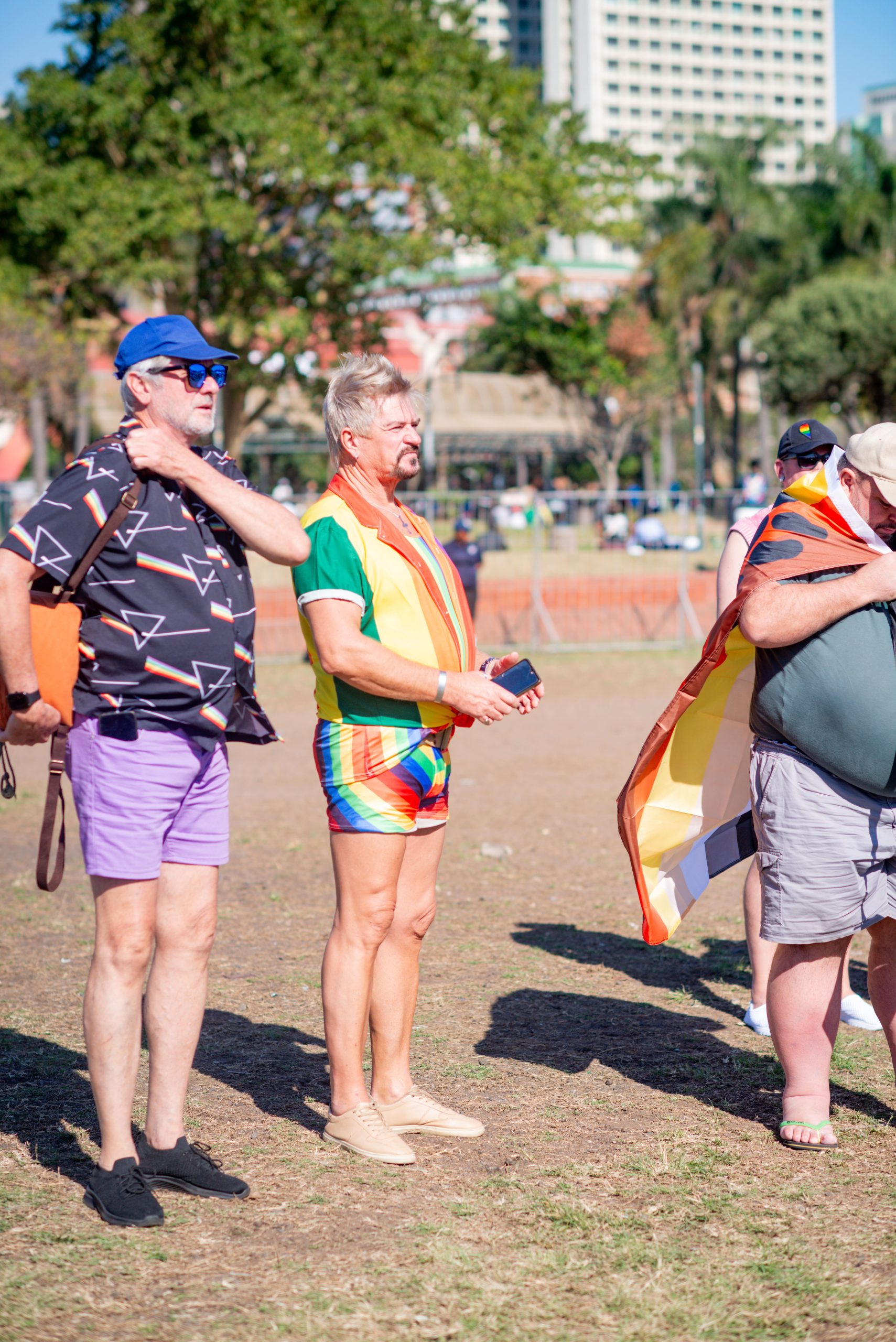
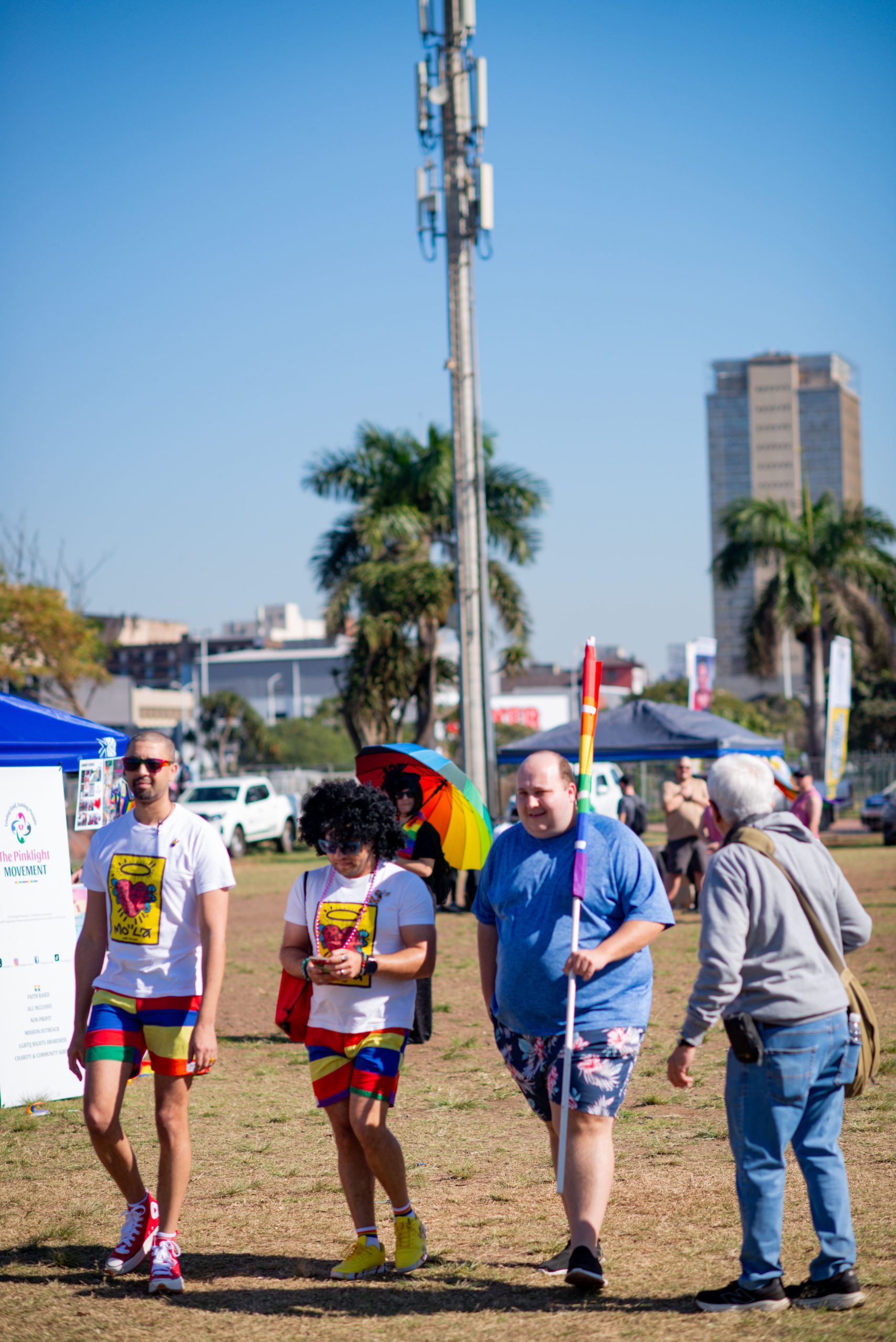
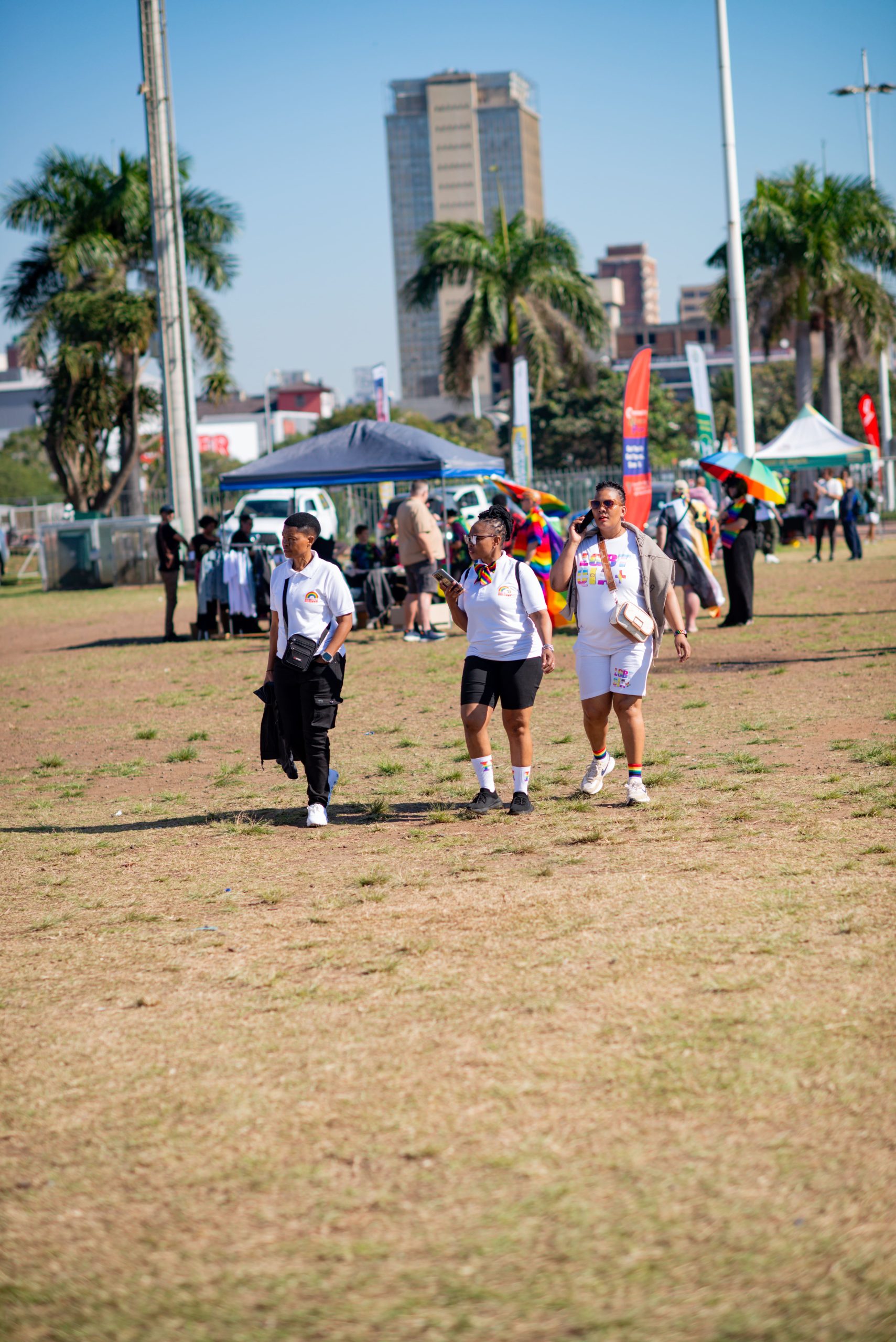
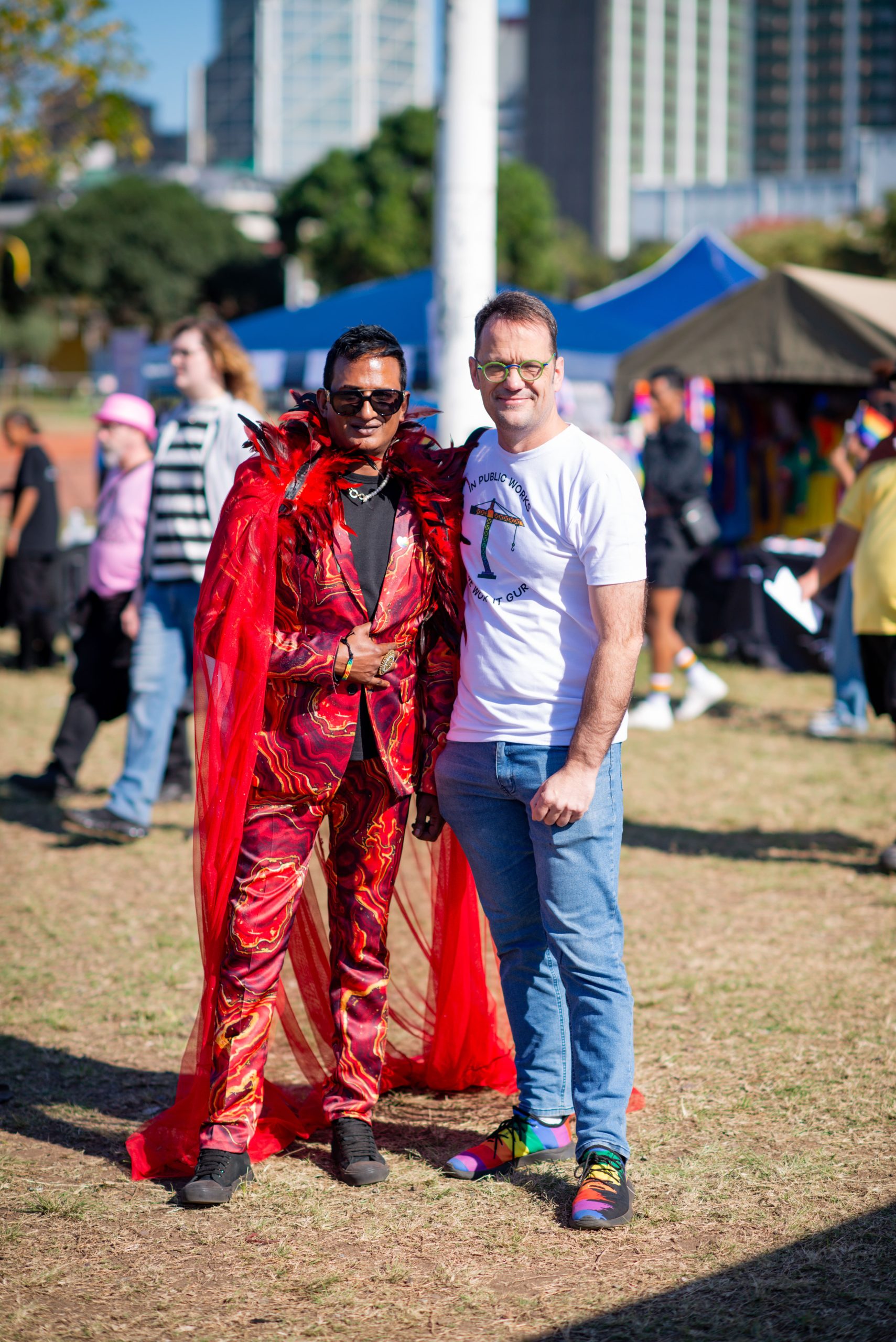
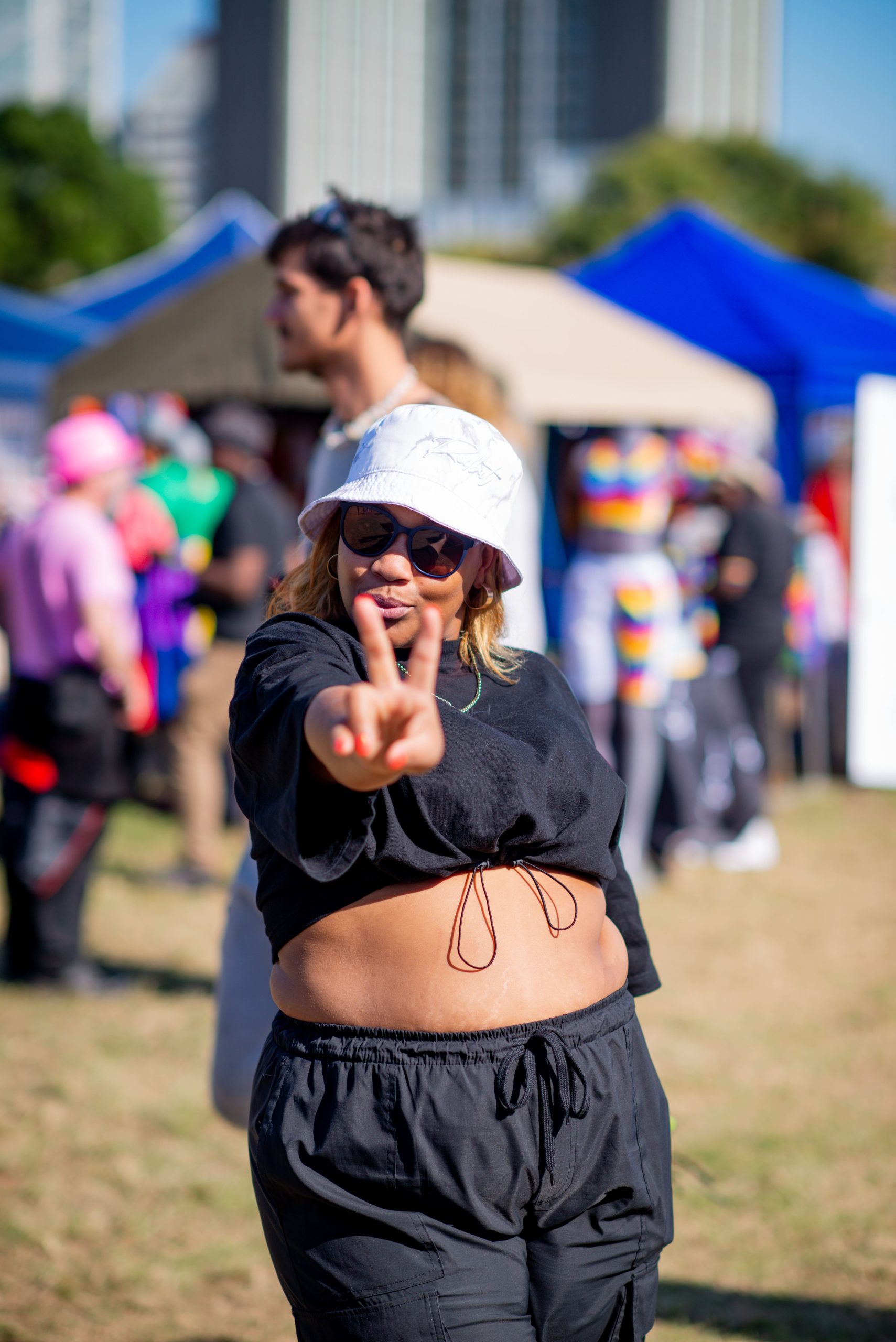
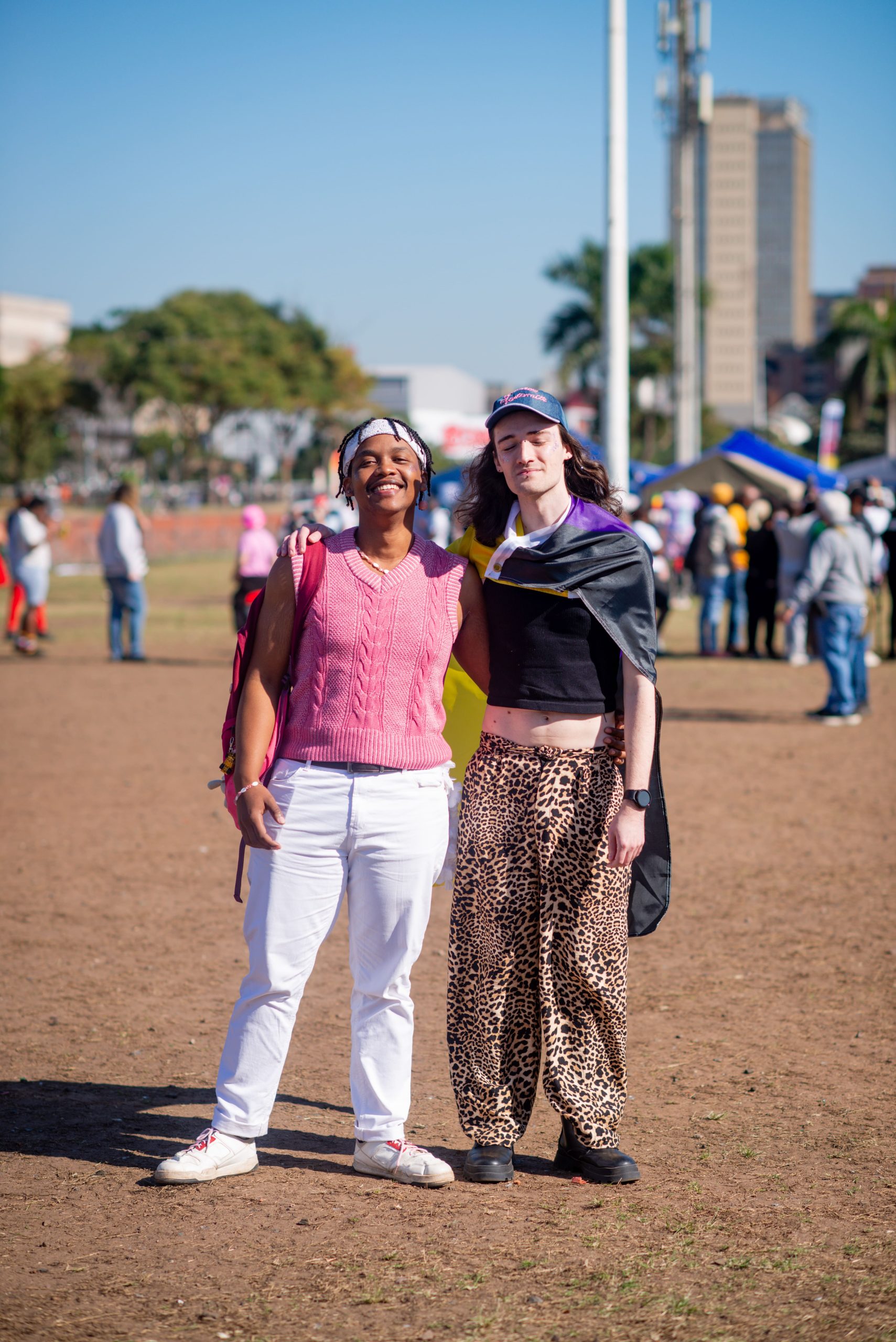
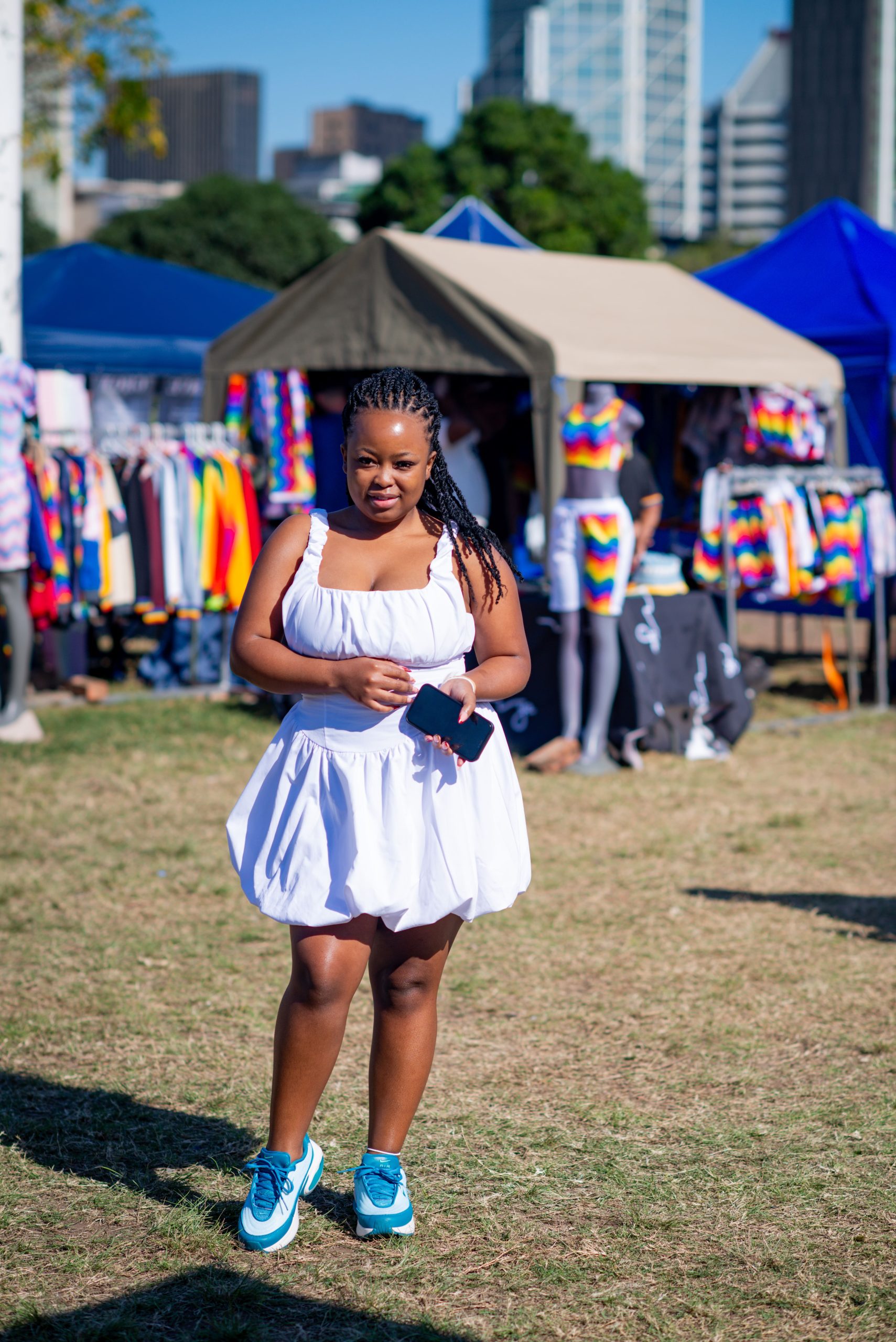
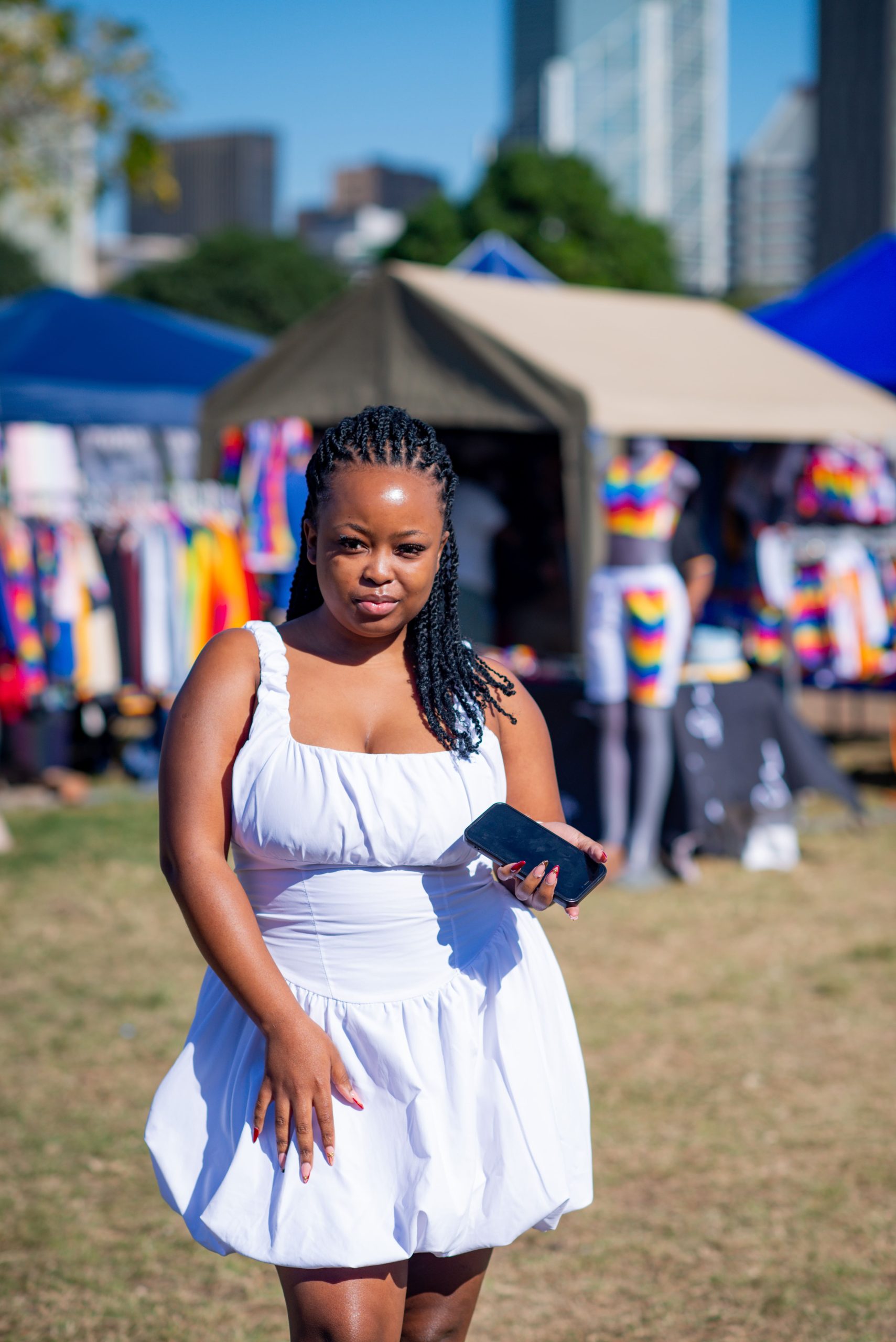
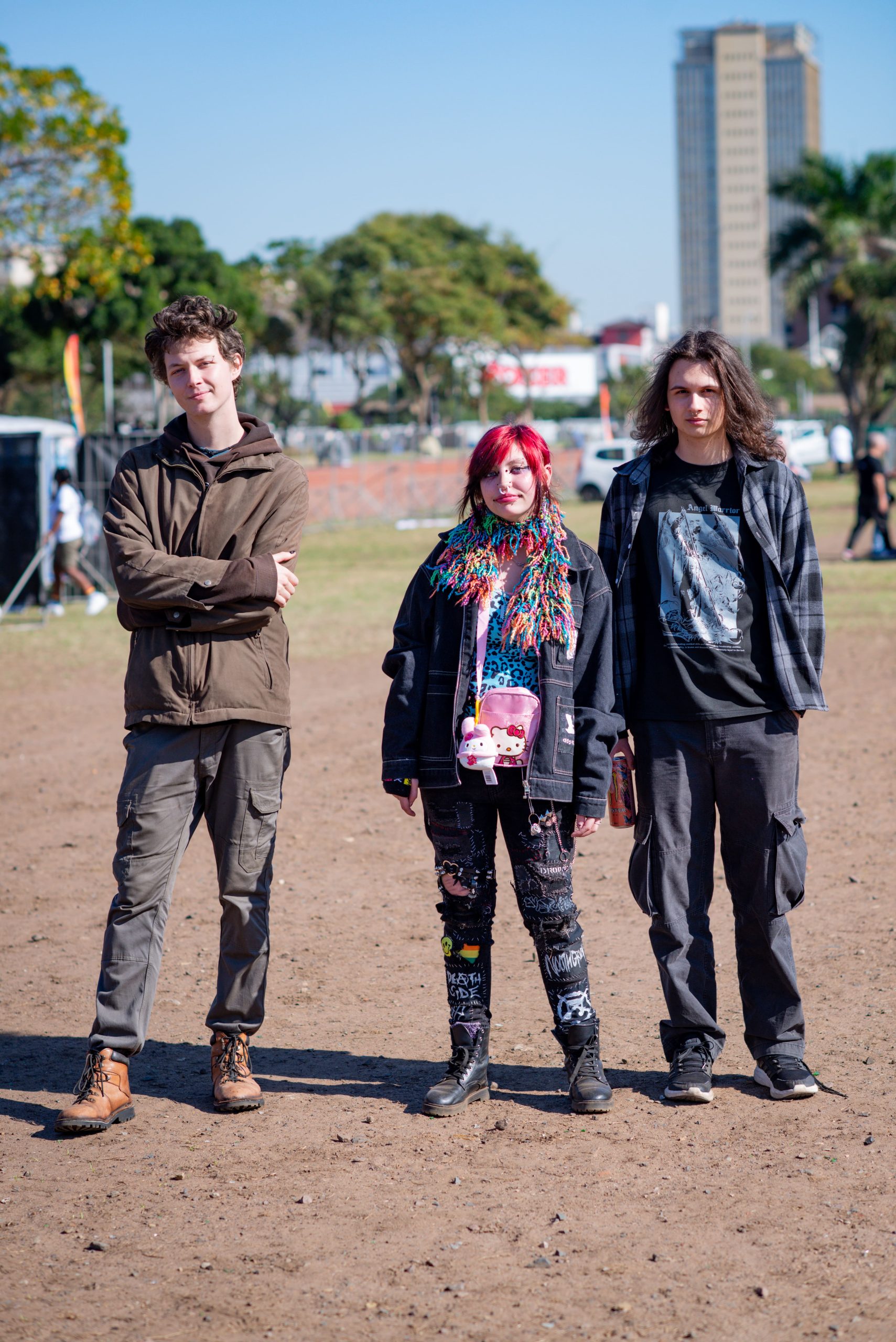
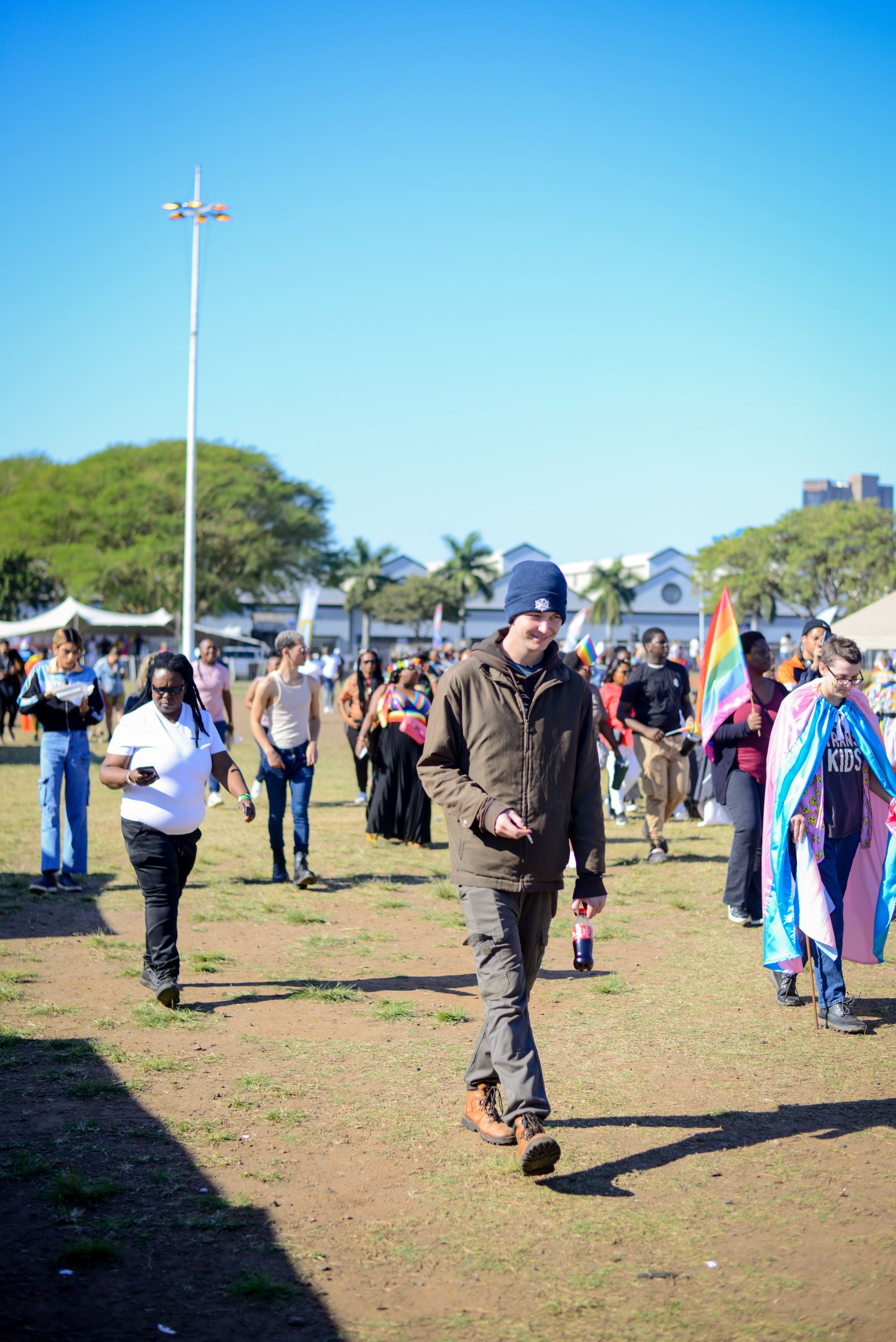
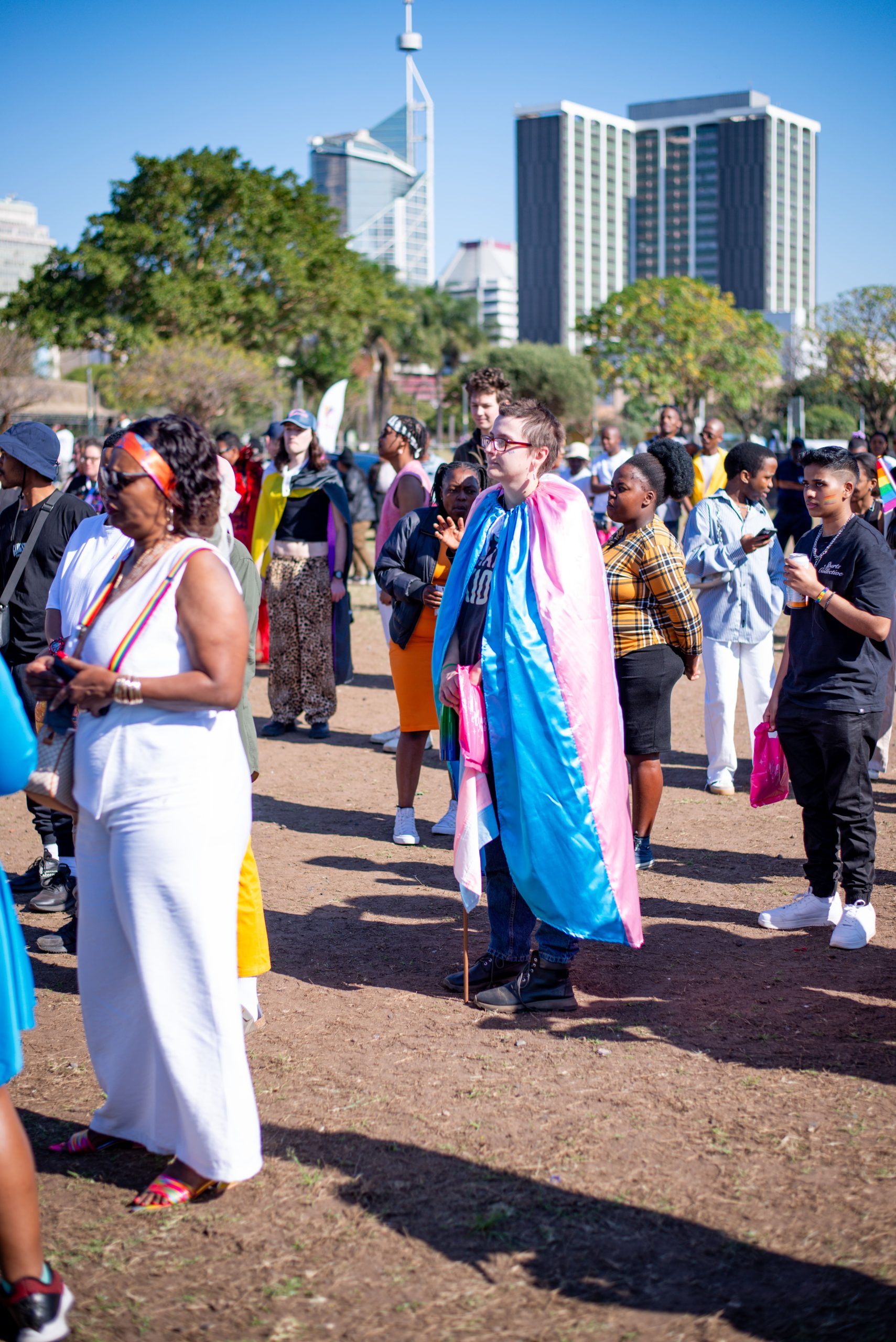
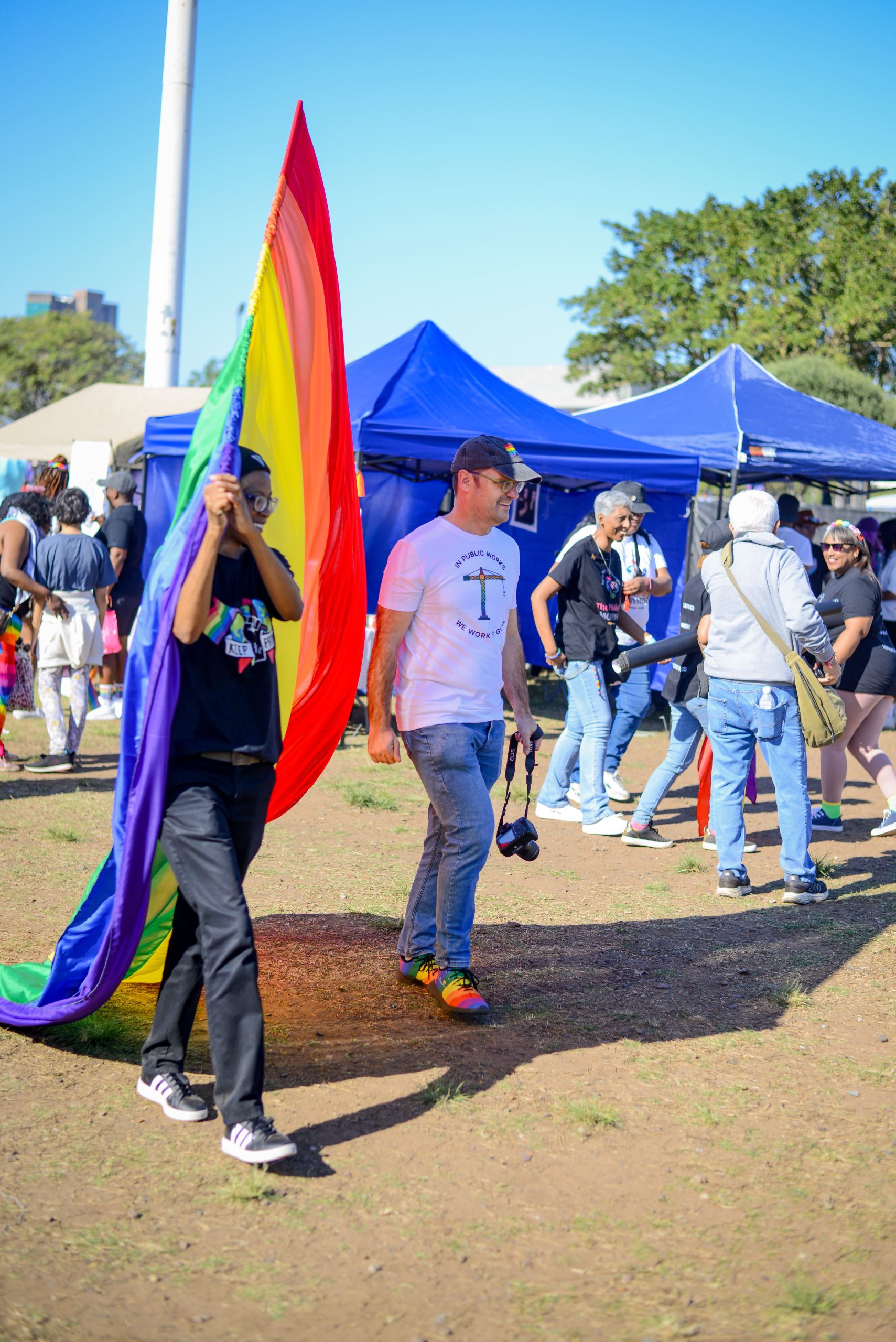
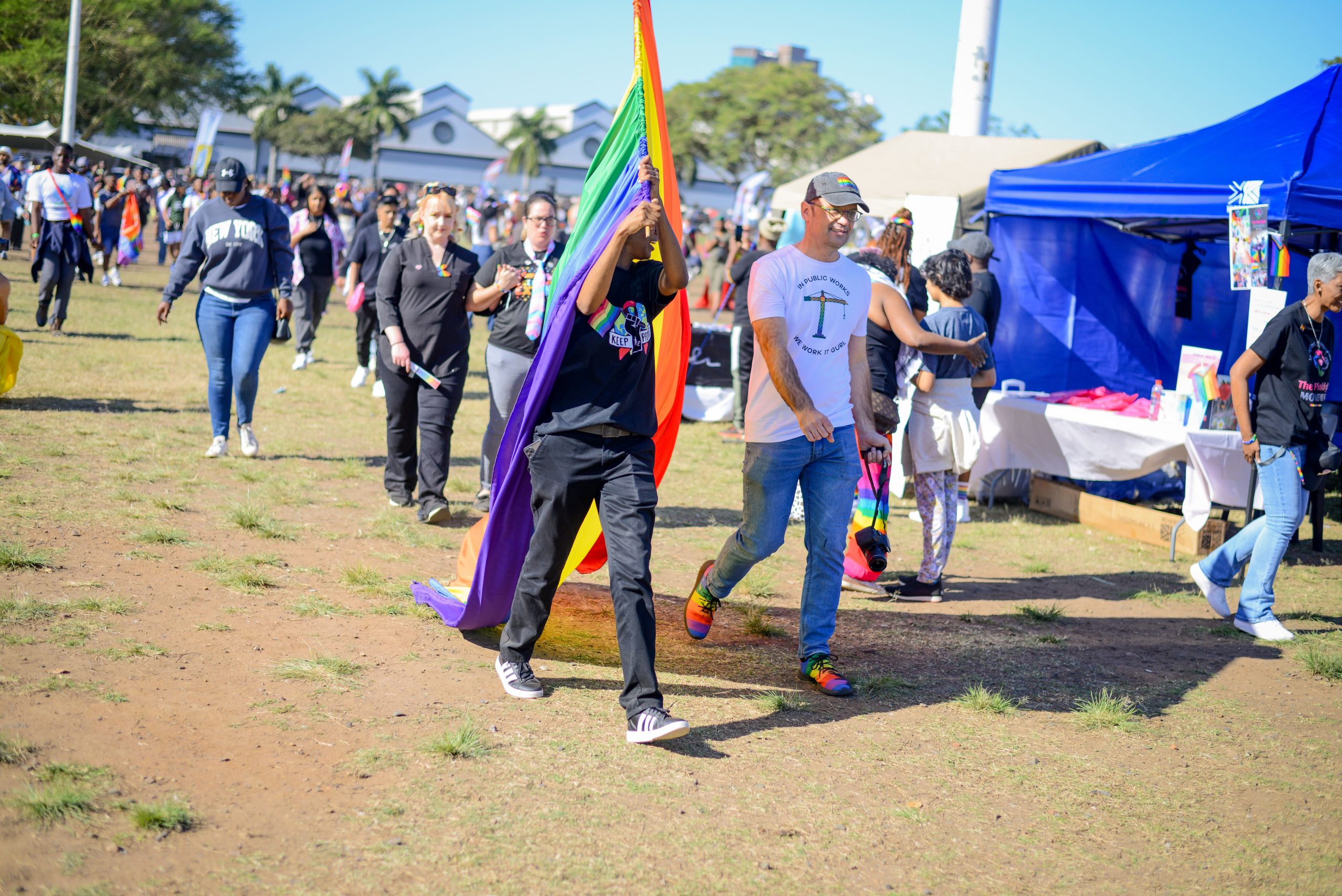
Colour was the order of the day at the 2025 edition of Durban Pride. At the heart of the festivities was youth network ACTIVATE! Change Drivers who, through their champion-led initiatives, joined the parade to affirm the network’s commitment to a gender just and violence-free society with and for young people.
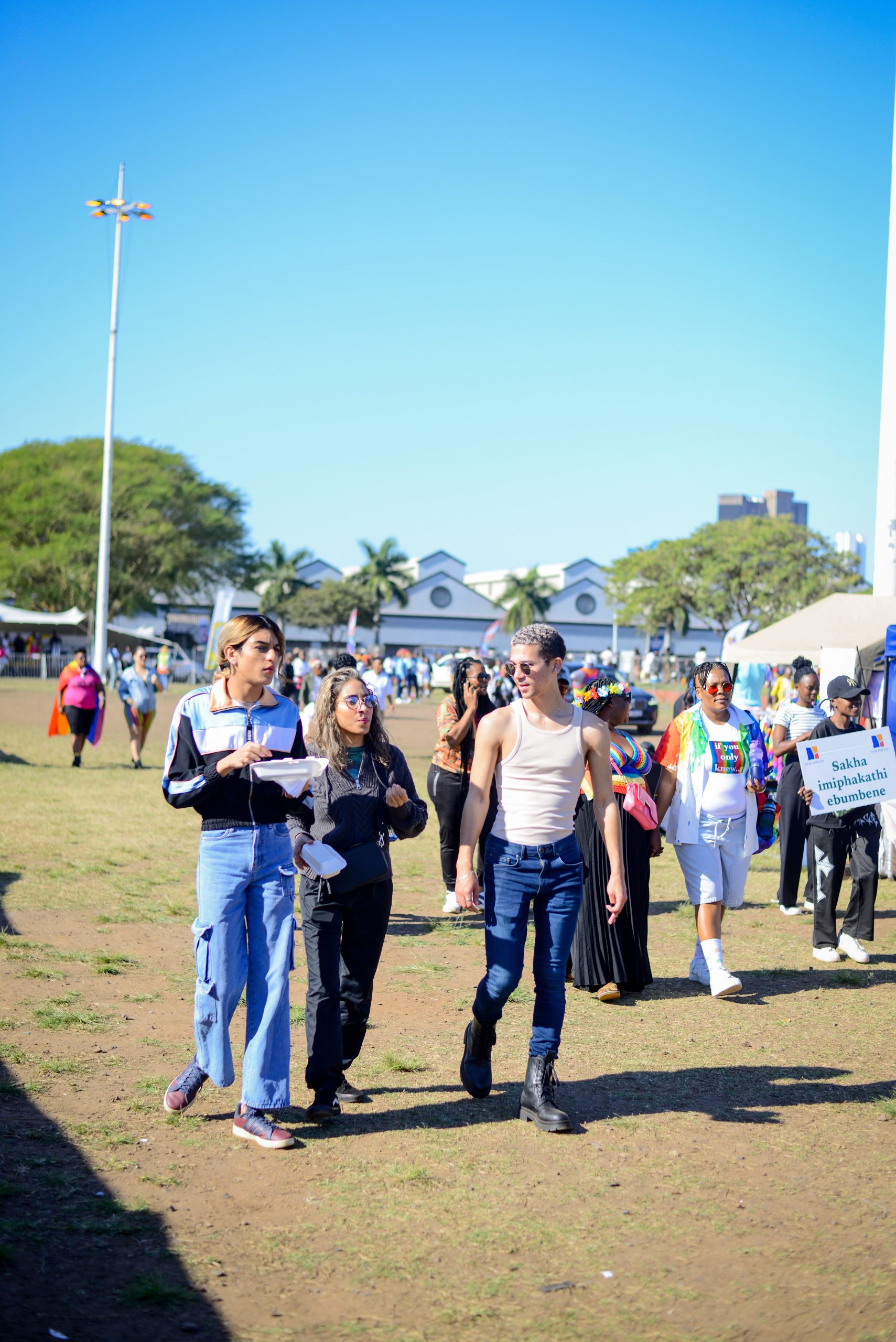
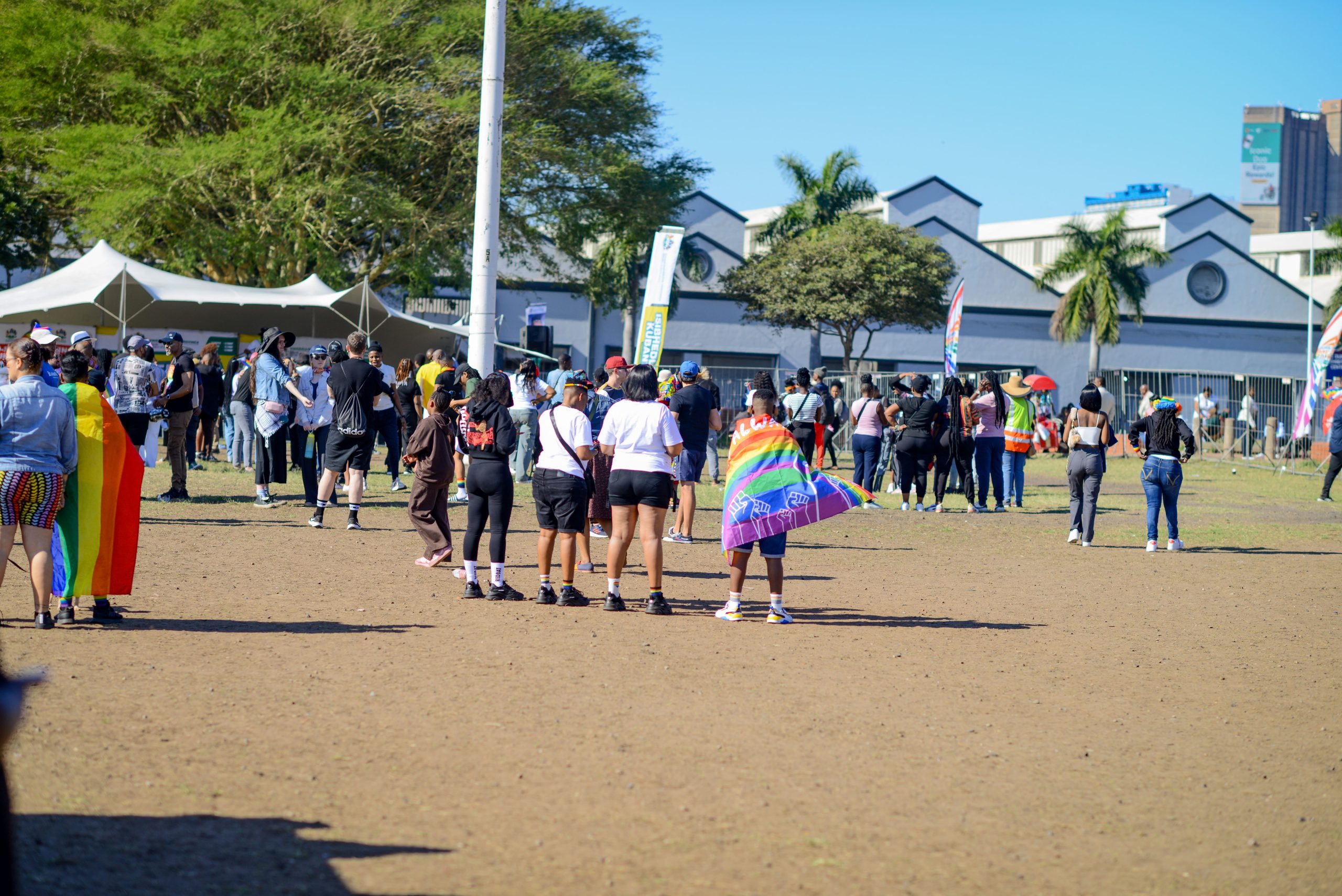
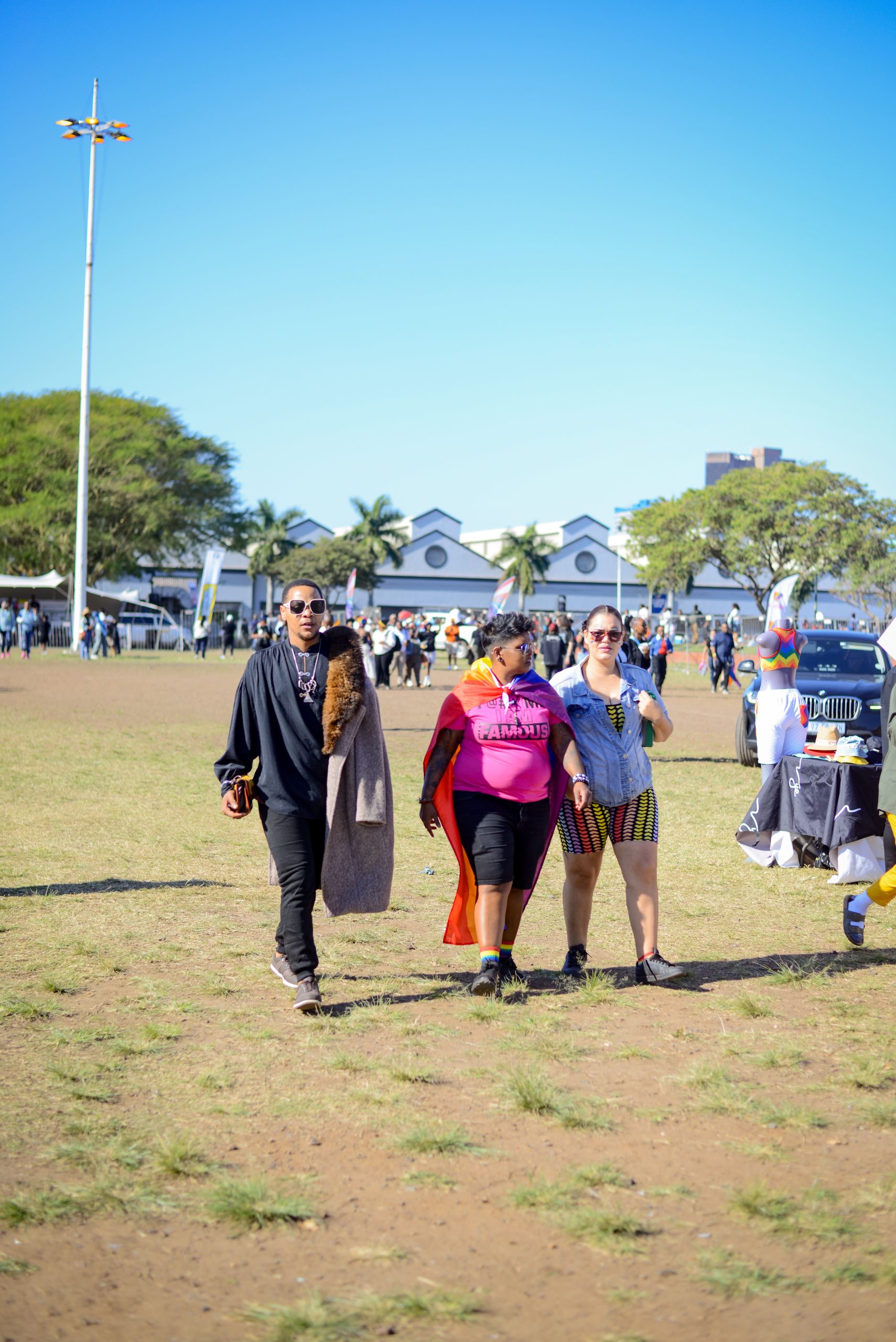
Durban Pride took place at Gugu Dlamini Park on 28 June where the Champions played a powerful role in shaping the ethos of the day. They weren’t just attending Pride, they were holding space for connection, safety, and storytelling.
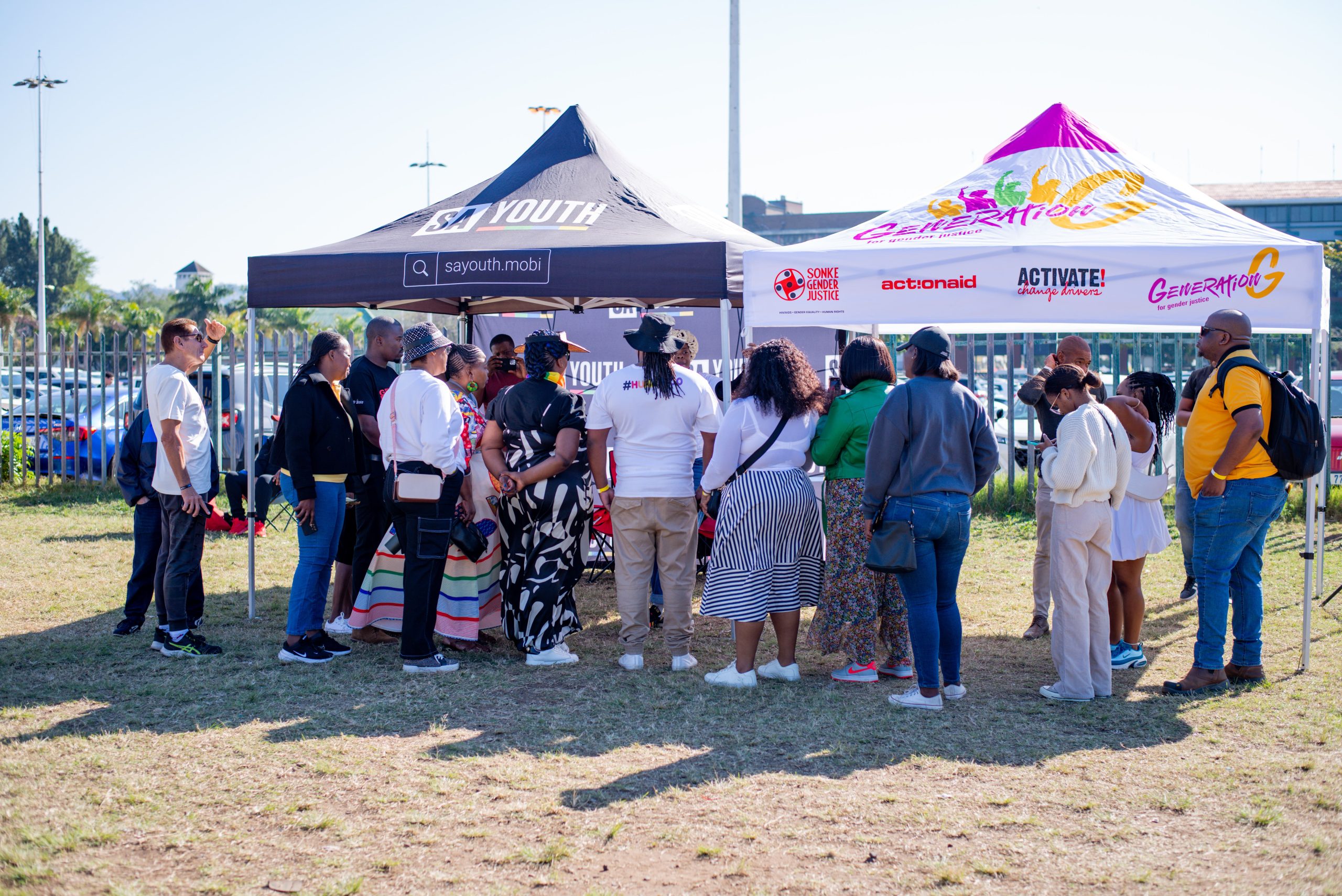
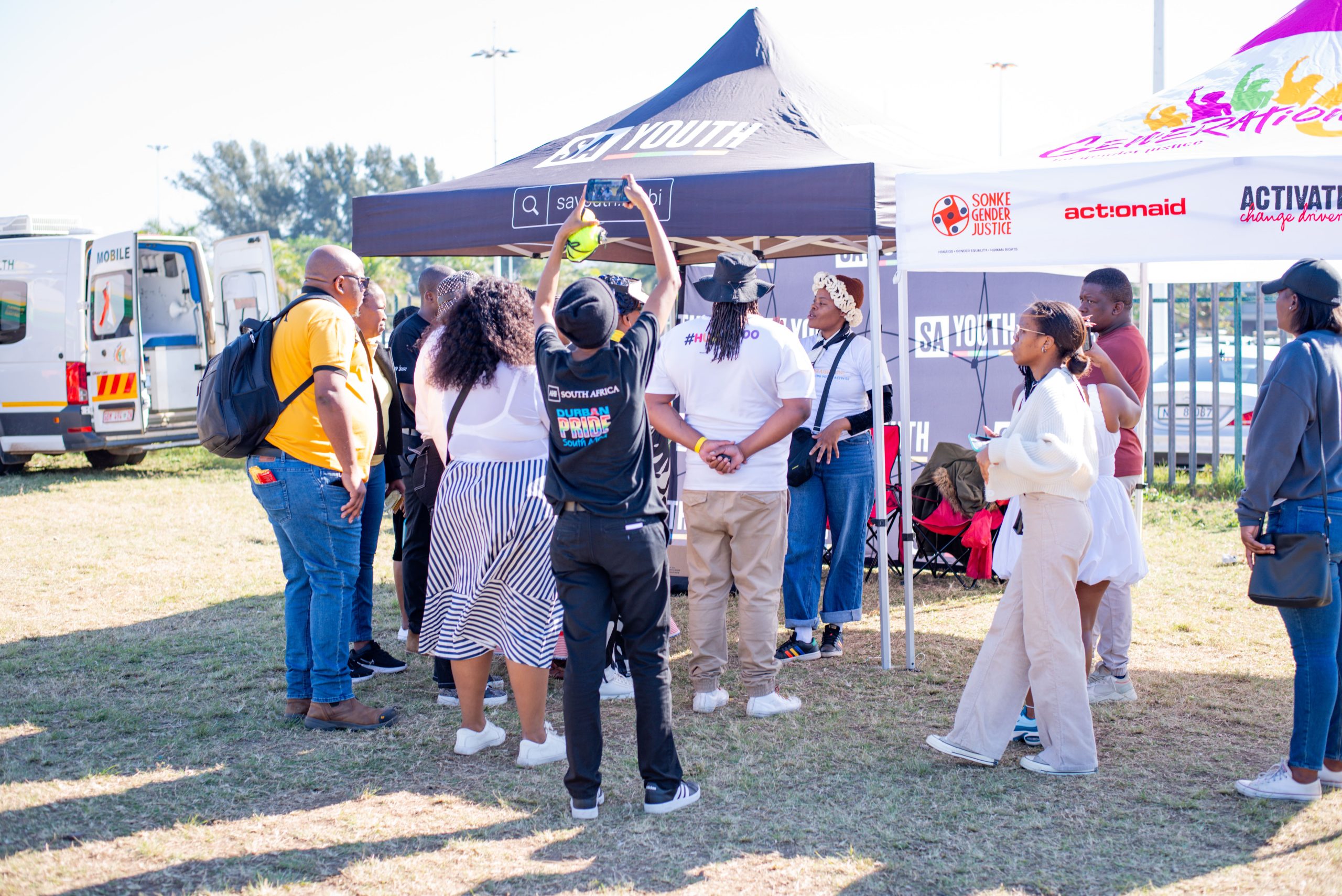
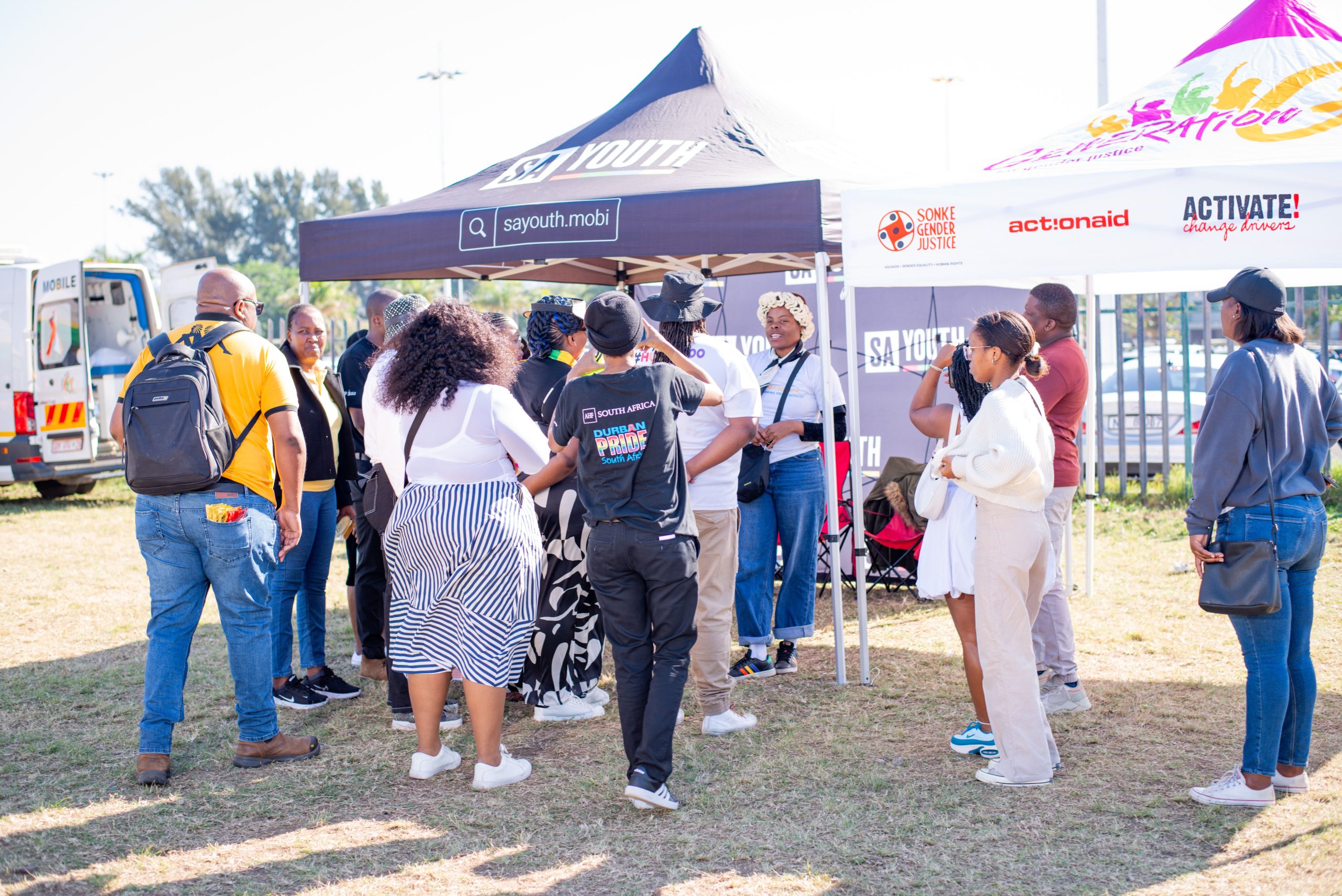
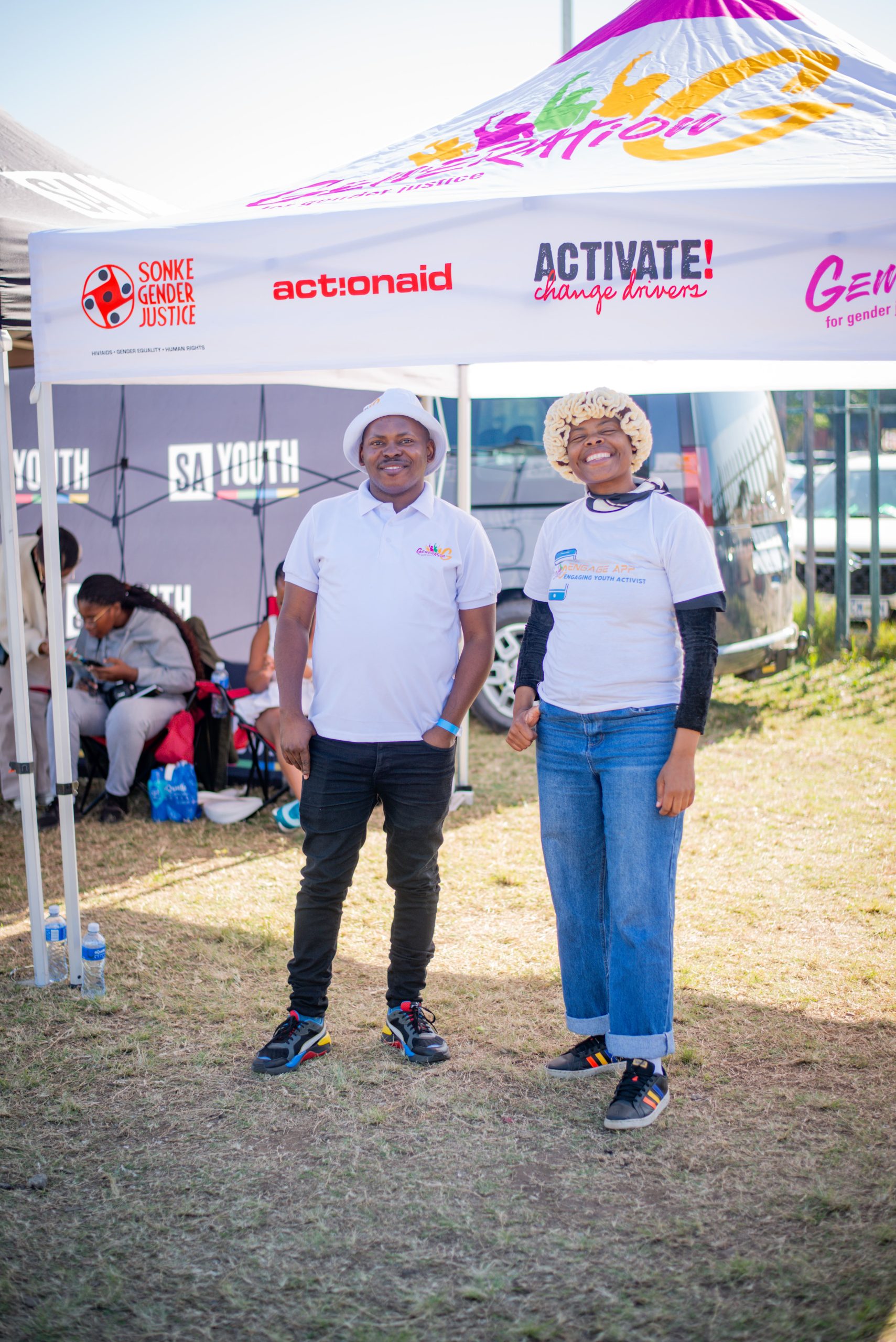
The Generation G(ender) station, led by the champions, was among the first to arrive at Gugu Dlamini Park. Early morning, the champions were already onsite assembling gazebos, laying out materials, and preparing a space grounded in welcome and dignity. Their goal was simple but profound: to meet people with warmth, visibility, and pride.
“We got here early because we knew this space had to feel right,” said Zama Ntungwana. “Pride doesn’t start when the crowd arrives it starts with the people who create the space. We wanted everyone to feel it was made with them in mind.”
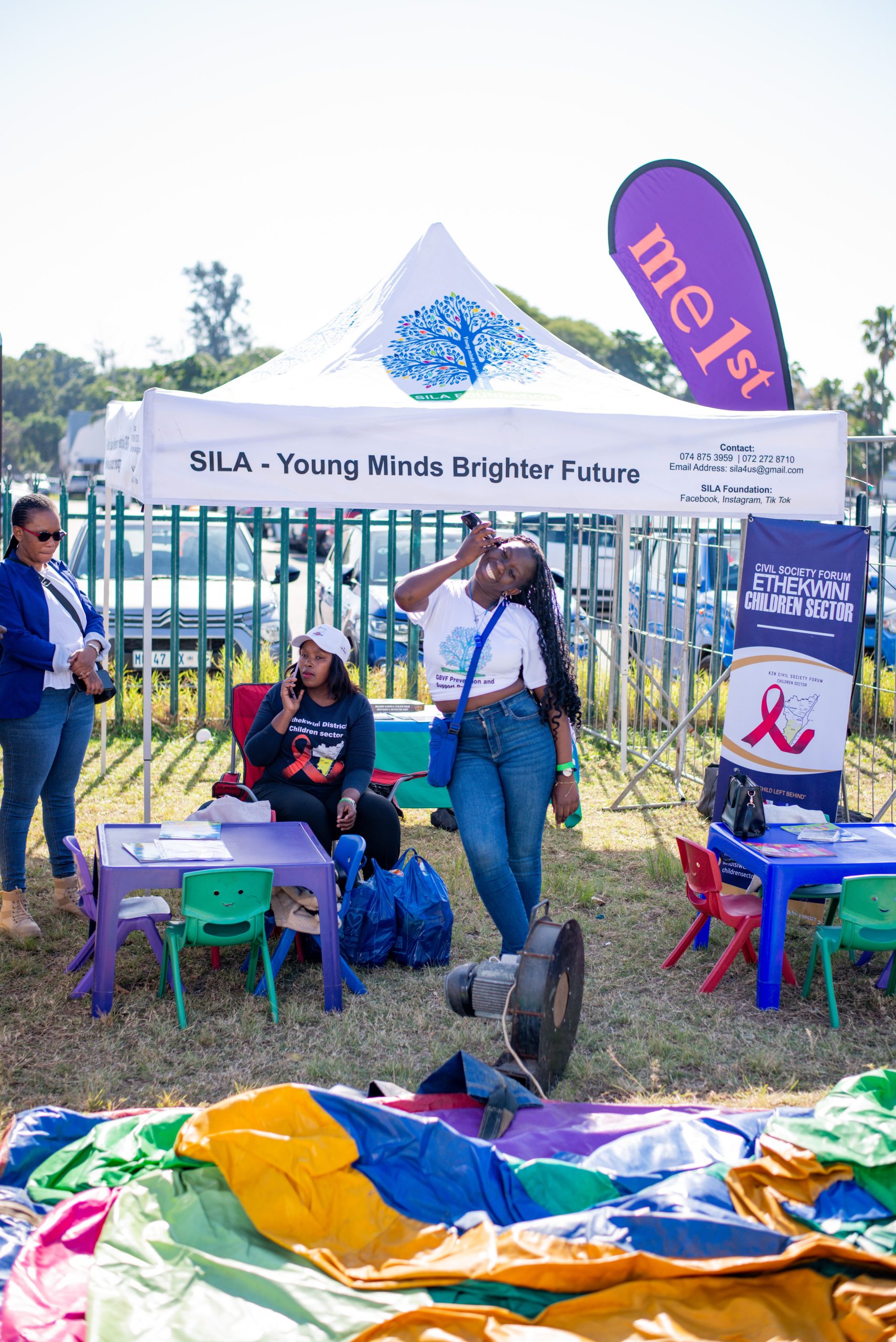
While the Champions created a sanctuary of belonging and reflection at their station, Durban Pride 2025 unfolded with an expansive tapestry of celebration and activism that stretched far beyond. The day was organized under the leadership of the Gay and Lesbian Community Centre with partners and stakeholders such as SANAC, the Commission on Gender Equality, the eThekwini LGBTI Sector, Sisonke, eThekwini and KZN Civil Society Leaders and Activate Change Drivers Generation Gender Champions, forming a powerful coalition dedicated to advancing the rights and dignity of LGBTQIA+ people across KwaZulu-Natal.
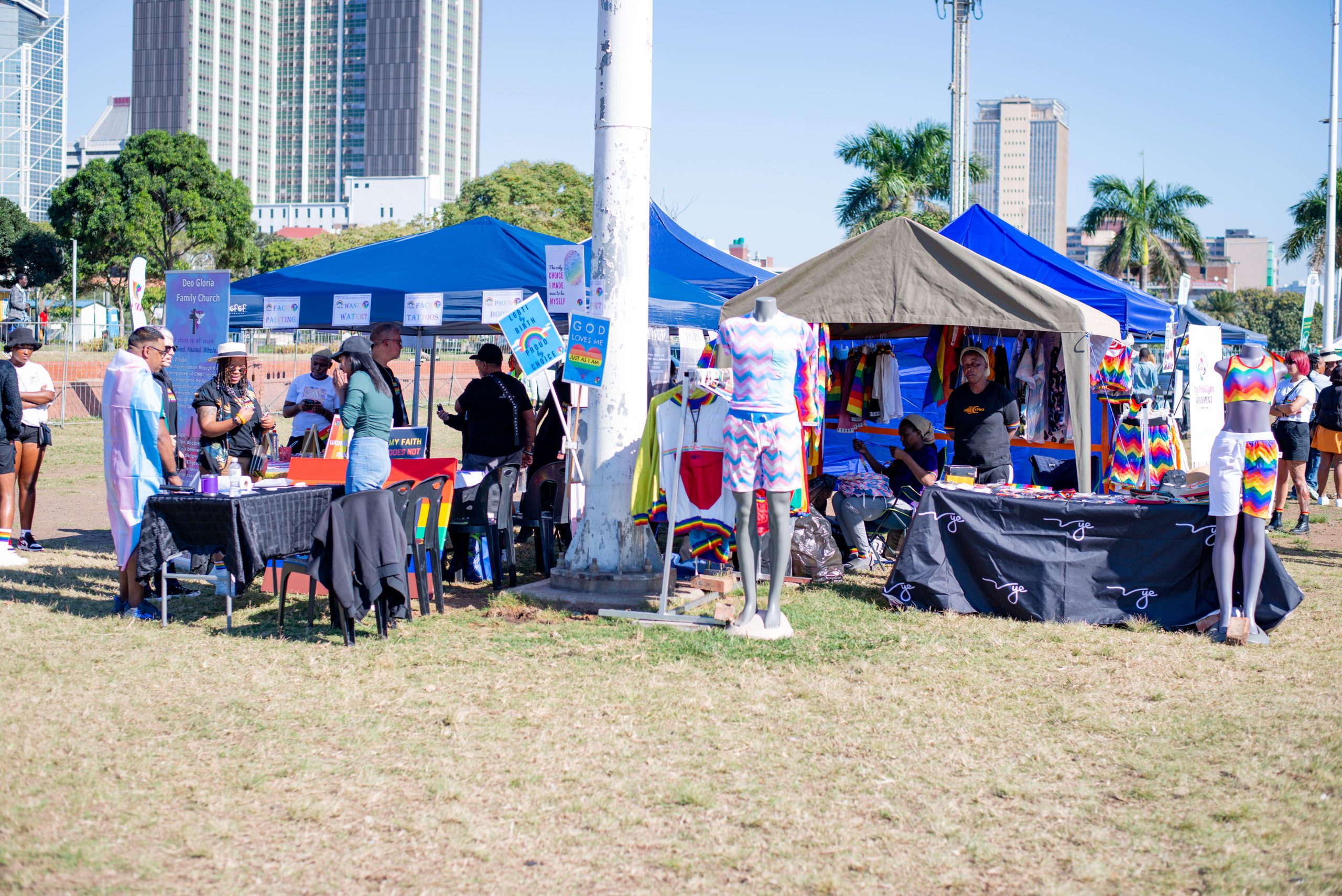
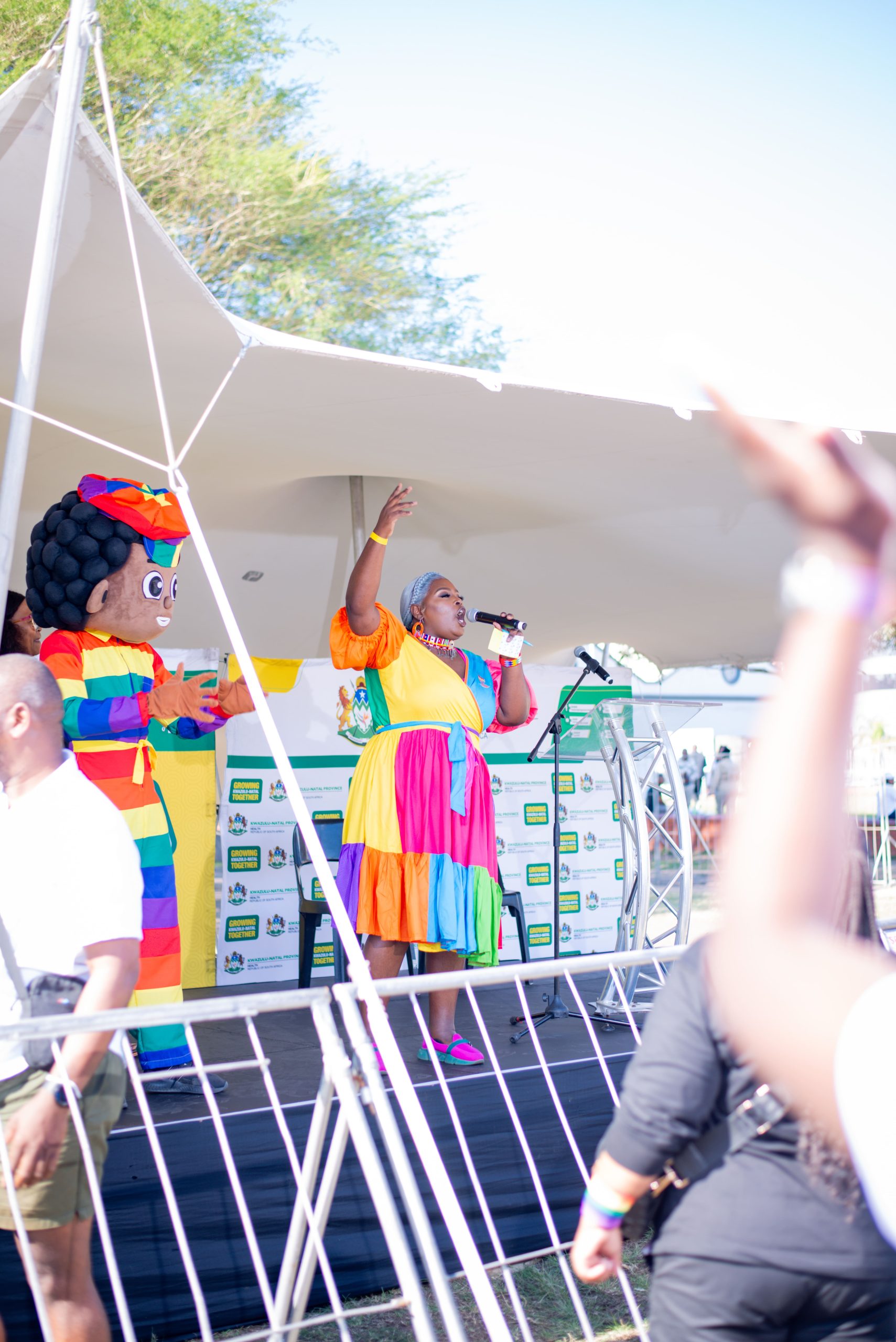
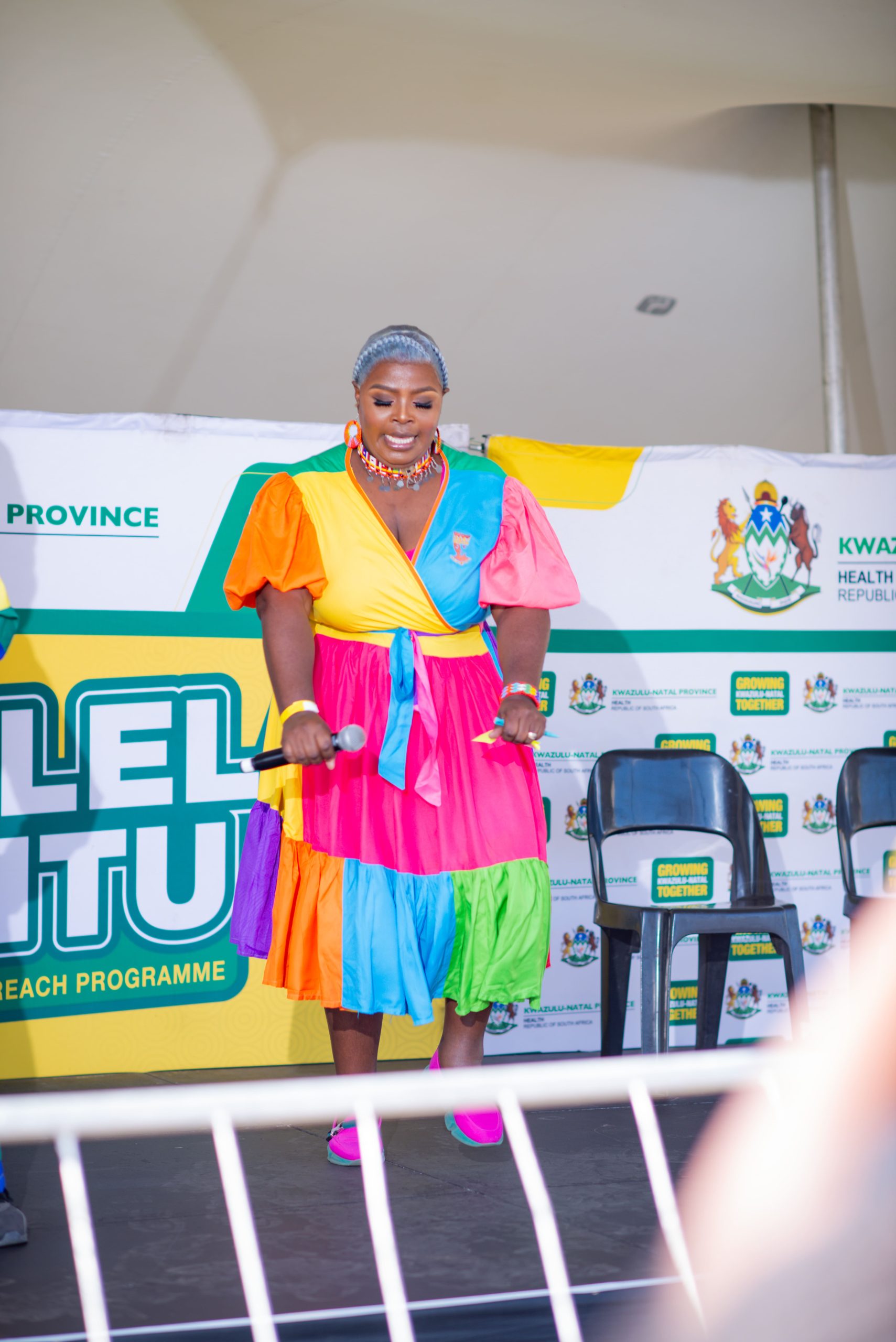
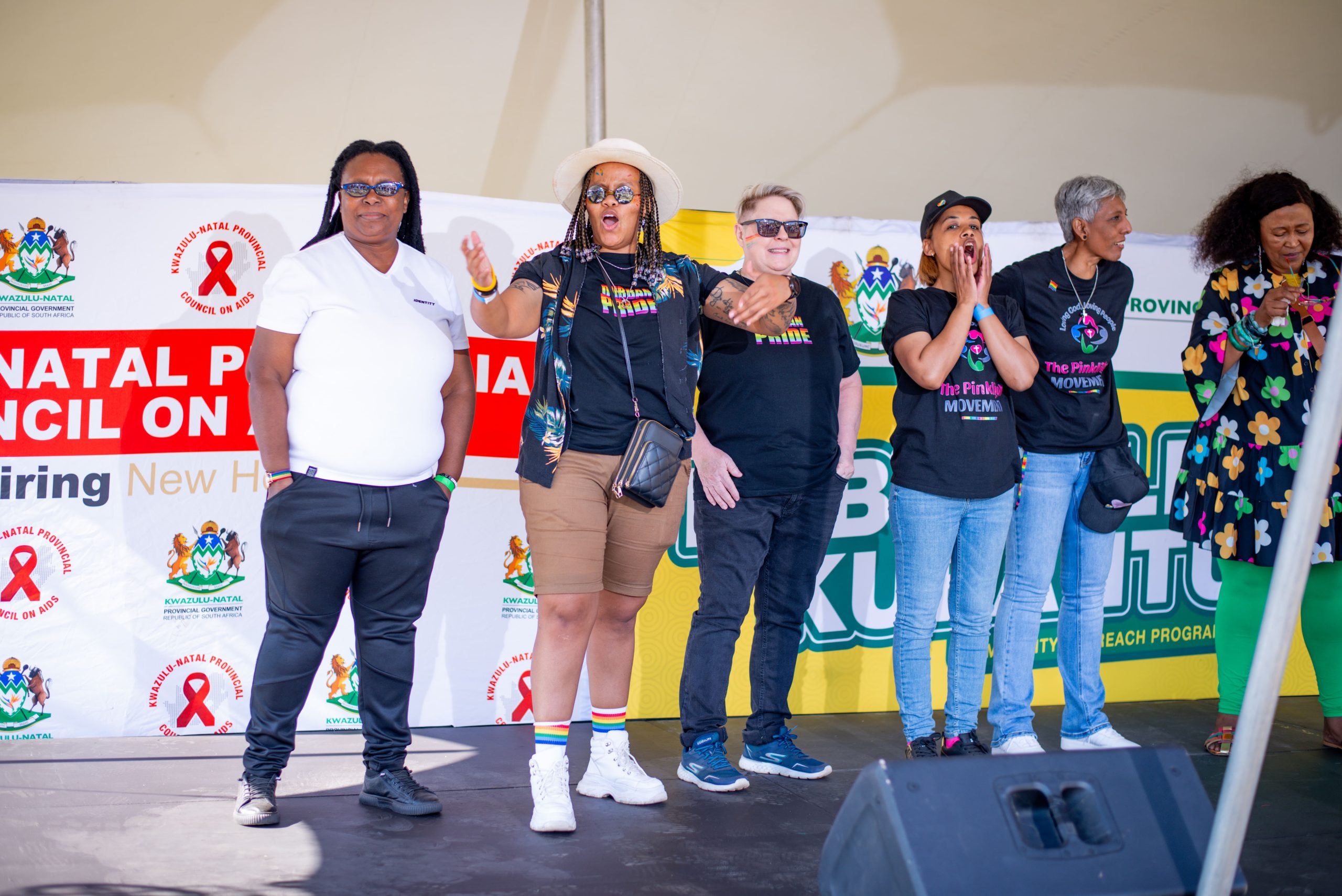
The morning began with a heartfelt prayer from Deo Gloria Family Church, followed by the national anthem and a stirring moment of silence in remembrance of lives lost to queerphobia and systemic injustice. These opening rituals, solemn and sacred, laid a foundation for the day’s theme: “Alive, Here to Stay: I Am Human Too.”
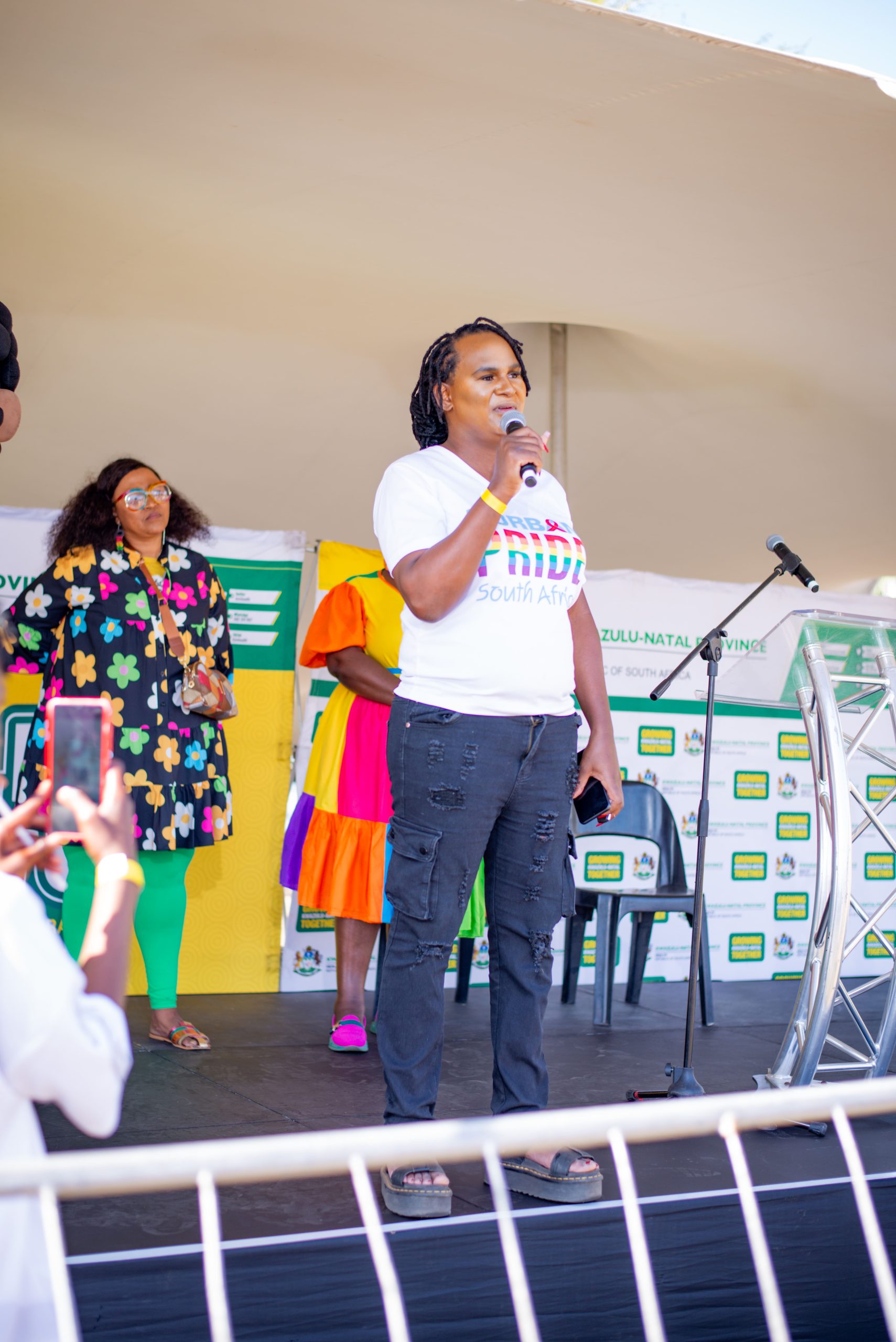
Sbo Khumalo offered:
“As the LGBTQIA+ community, we must take care of our health, take up space, and love ourselves unapologetically. These platforms are not just celebrations—they are lifelines.”
Where Health Meets Humanity
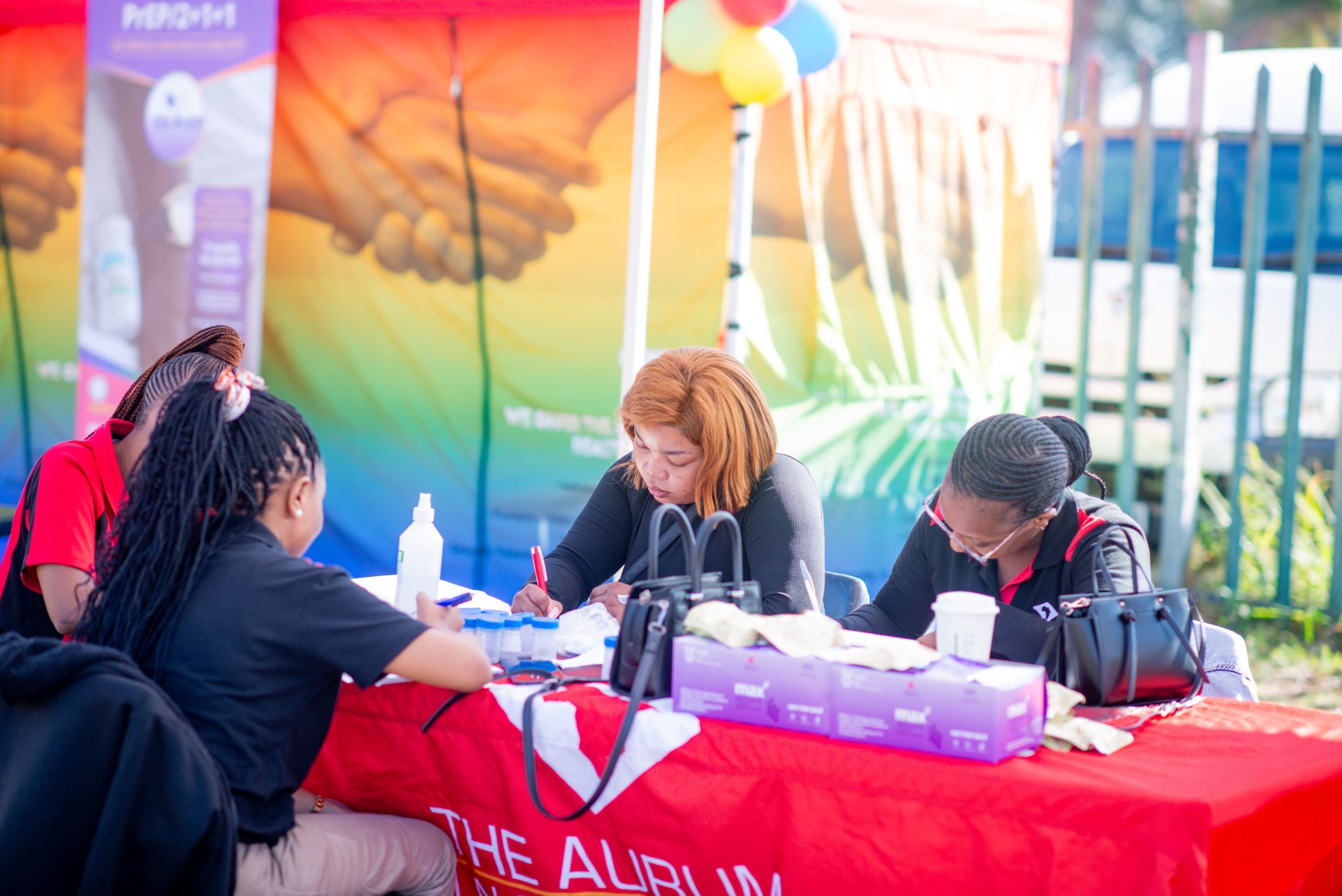
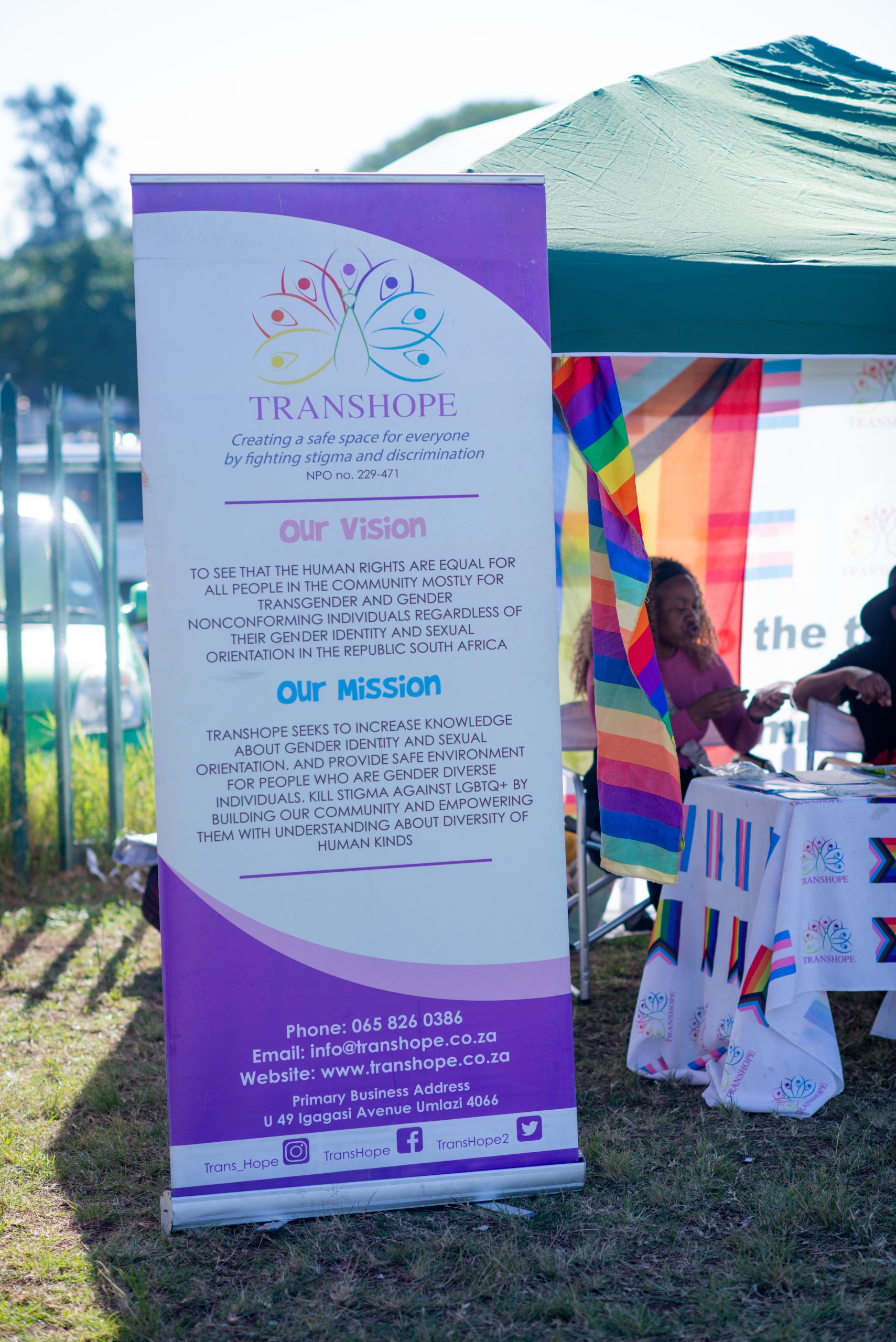
A centrepiece of the event was the Isibhedlela Kubantu (“hospital for the people”) mobile clinic, spearheaded by the KwaZulu-Natal Department of Health. This initiative brought essential services such as HIV testing, STI screening, counselling, and dignity kits into a space where queer people were respected, not reduced. Support also came from Aurum Institute, Test & Treat, and TransHope, building a collaborative model of inclusive healthcare grounded in dignity and trust.
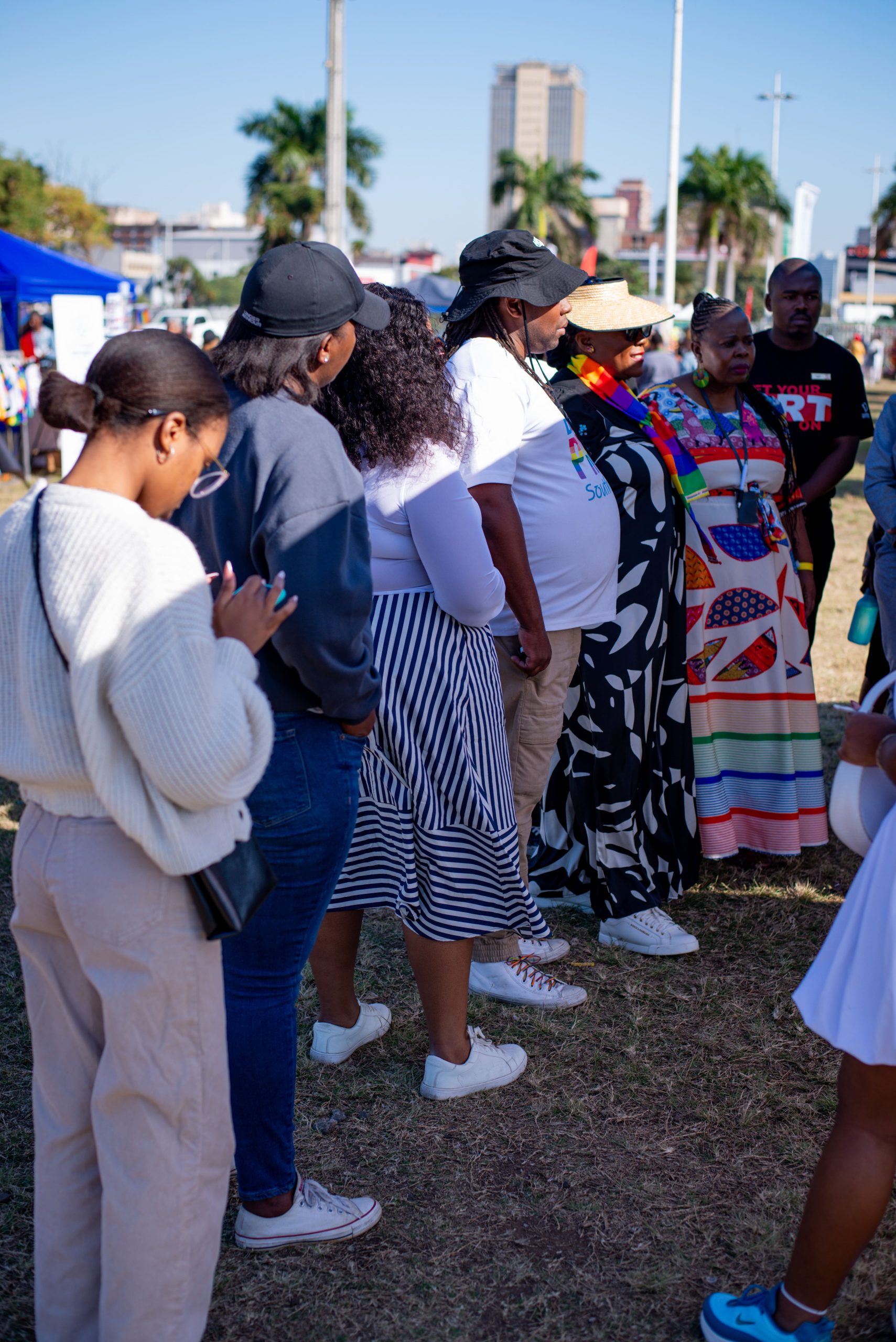
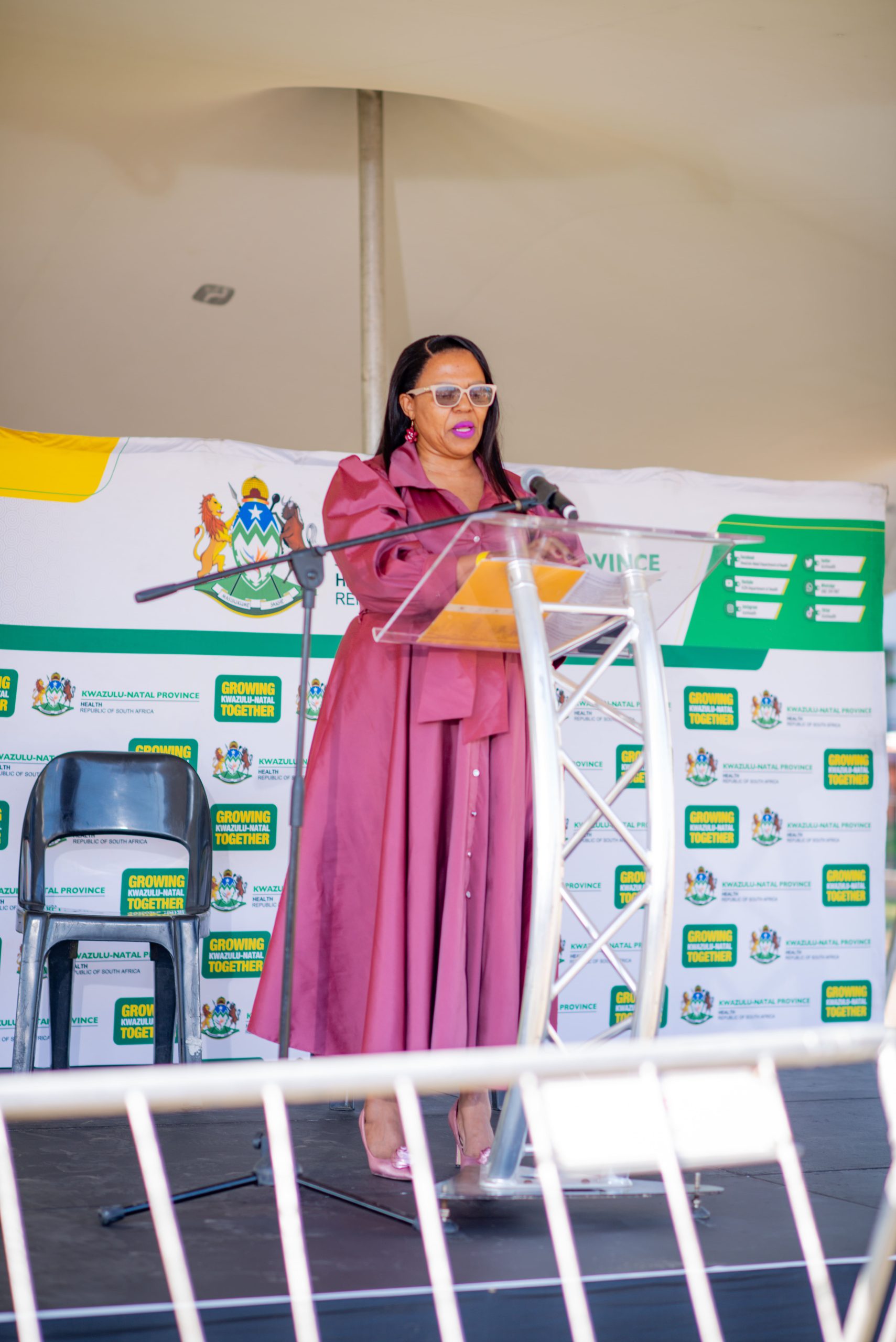
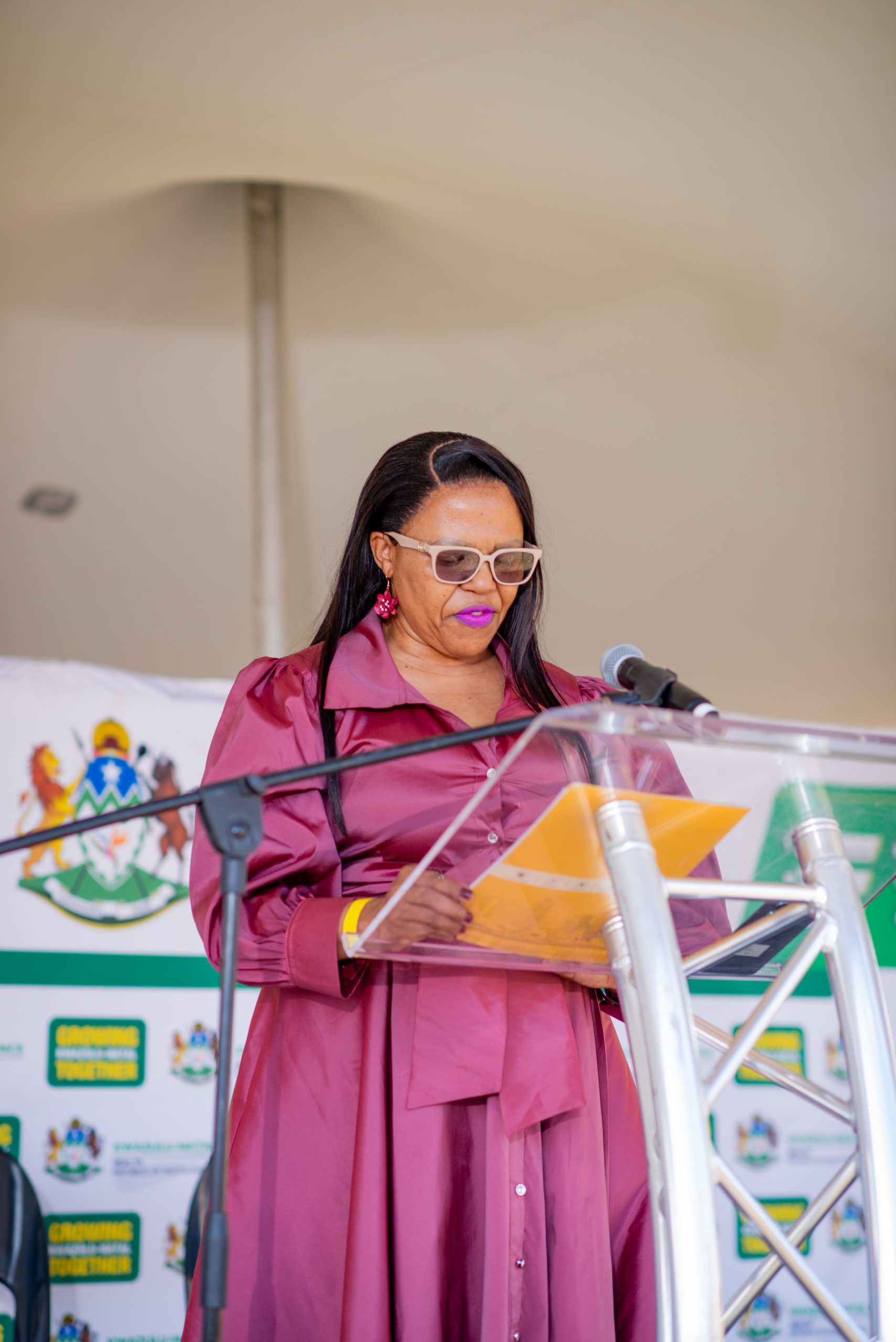
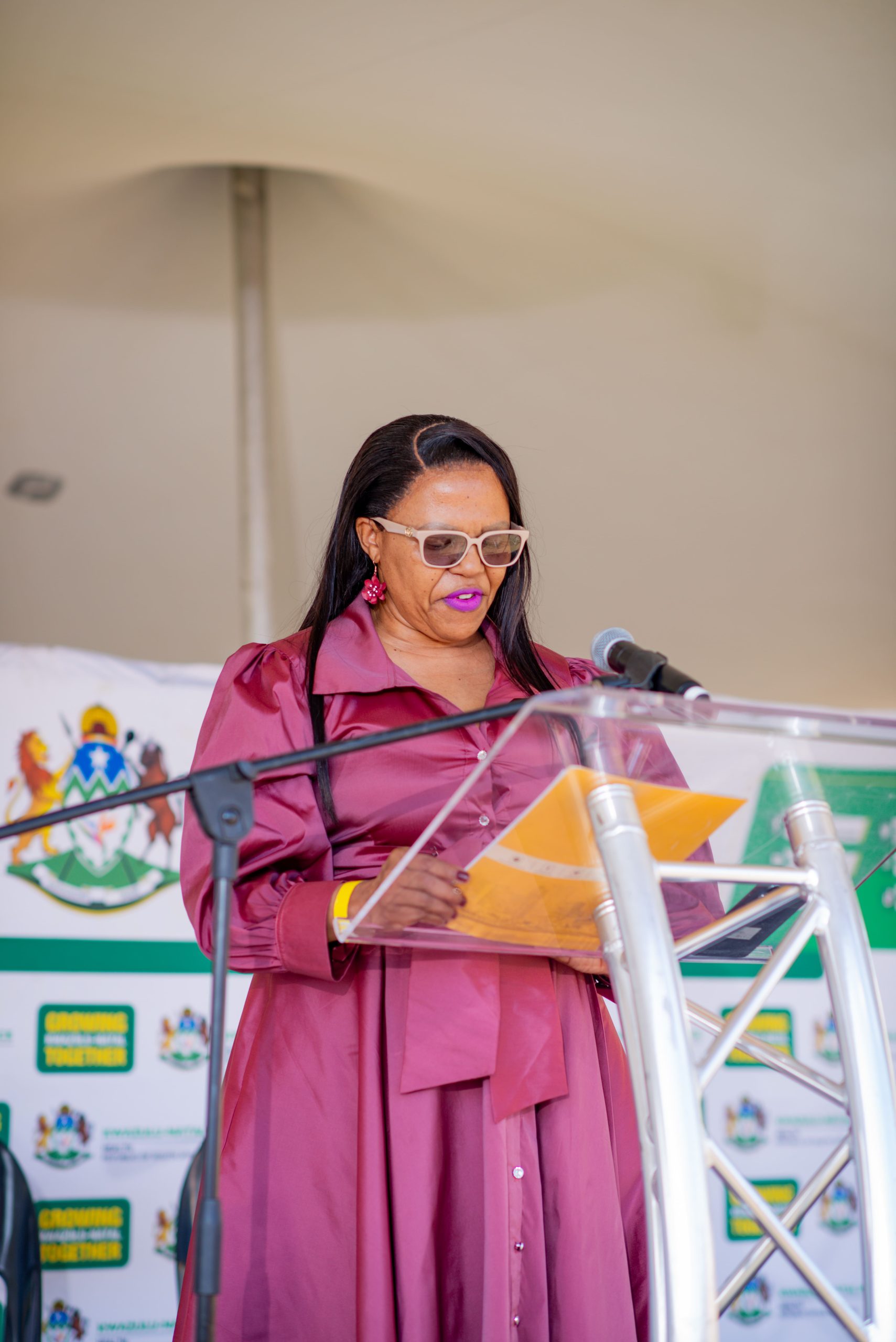
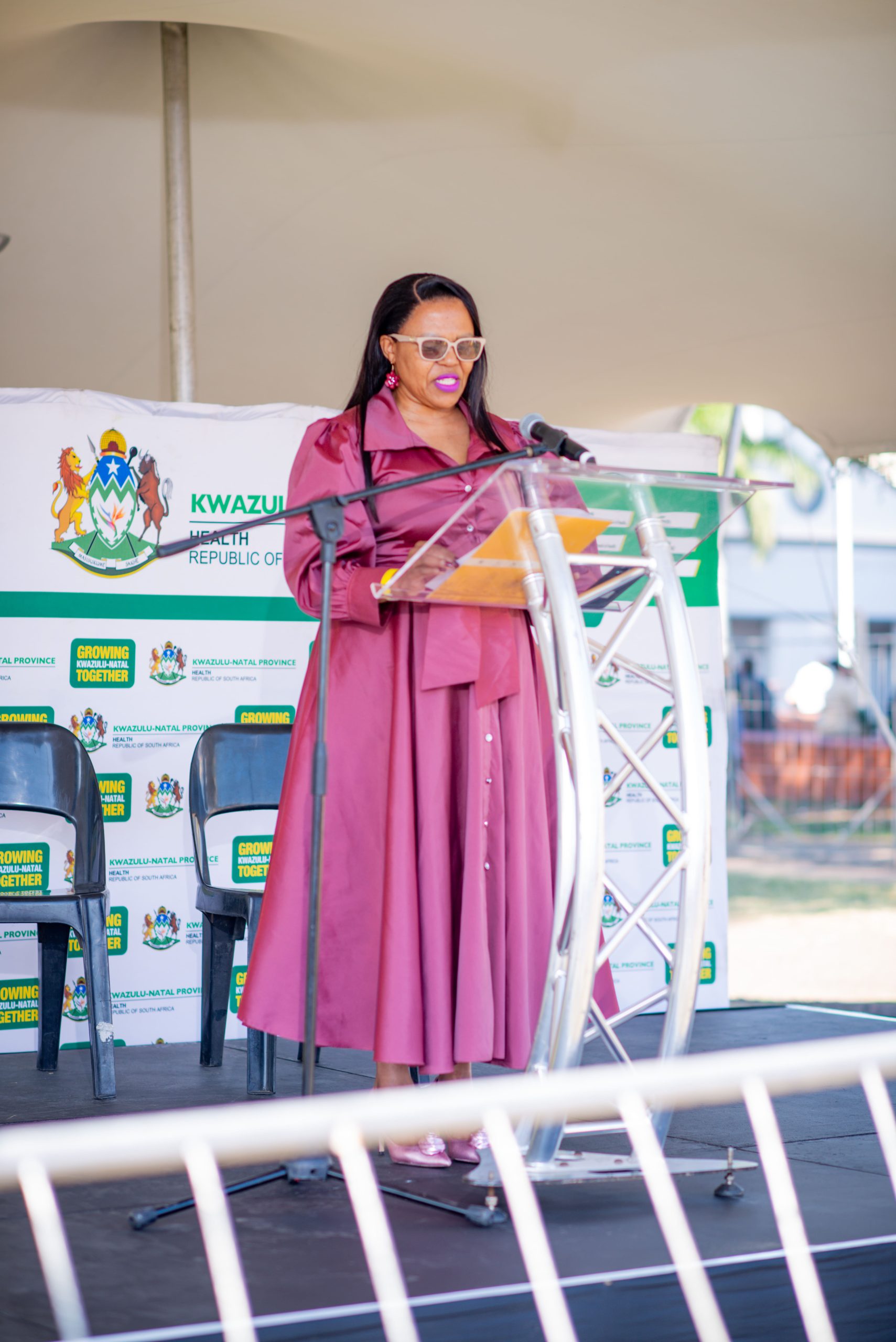
MEC for Health Nomagugu Simelane spent time engaging the community and reflecting on the ongoing gaps in LGBTQIA+ healthcare, pledging to learn and evolve in partnership with the very people the system is meant to serve. MEC visited the Generation G station, engaging with the Champions directly acknowledging their efforts and hearing firsthand about the challenges that the LGBTQIA+ community stumble on especially with regard to gender justice even in the health sector.
Conversations, Connections, and Building Futures
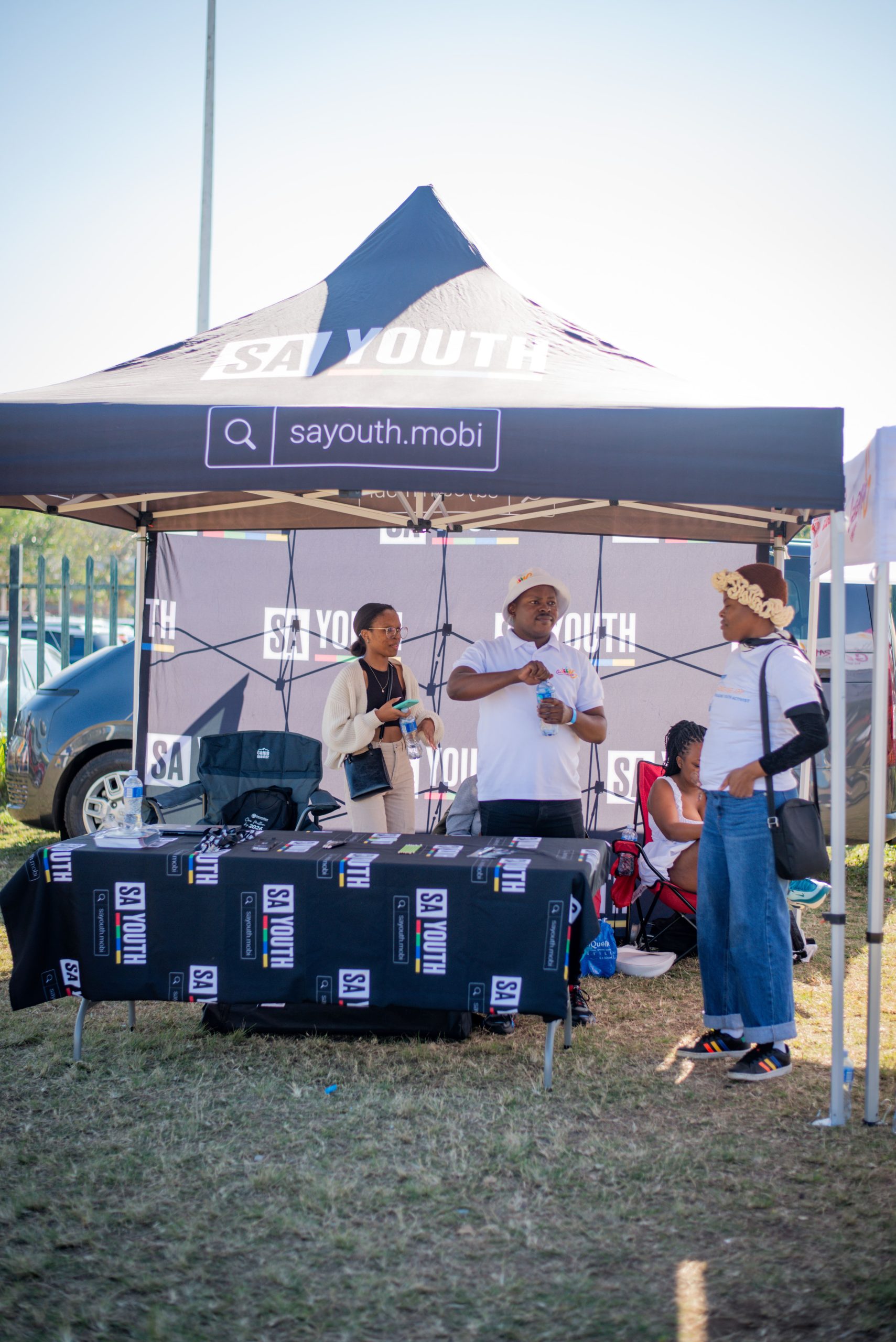
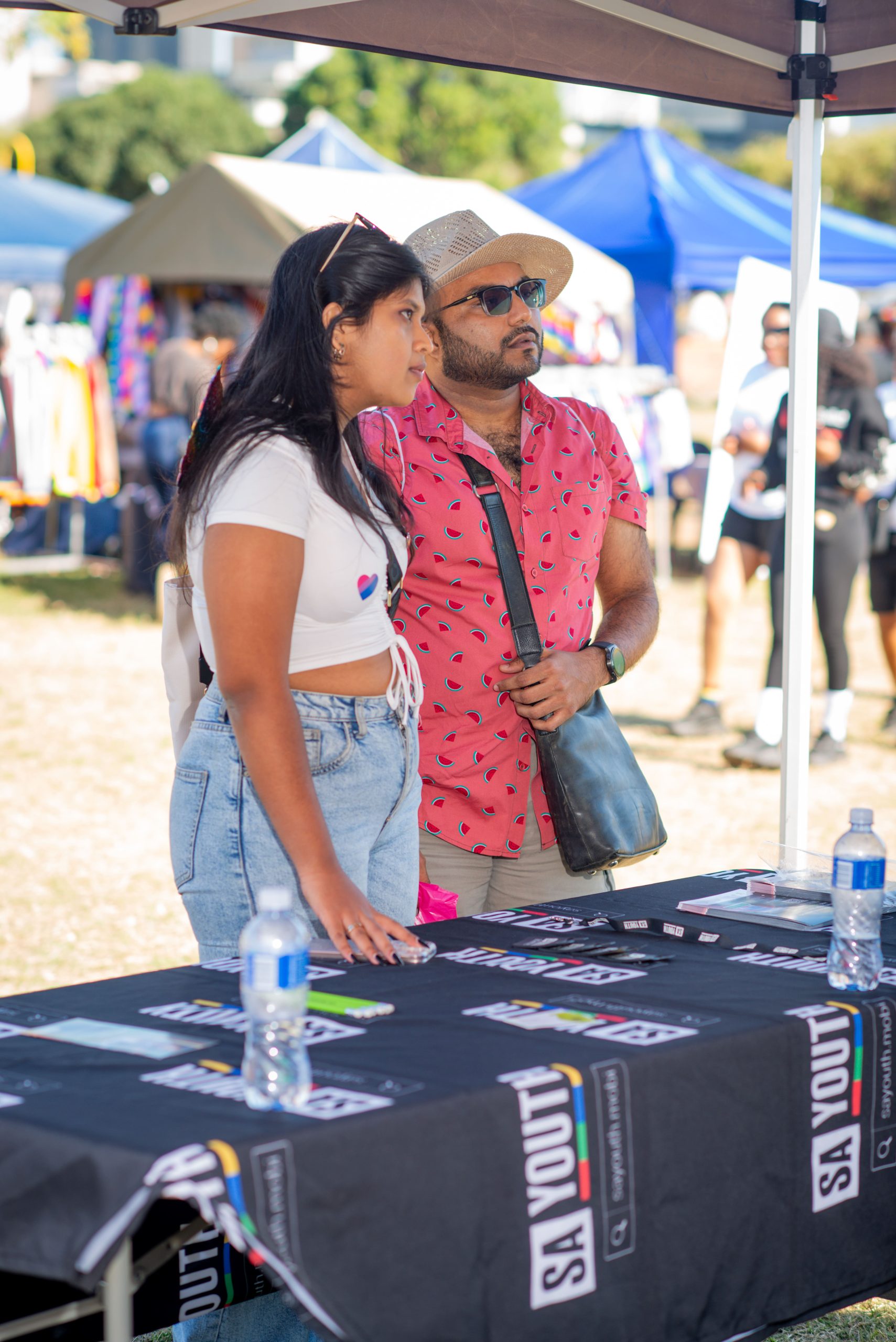
From the main stage, speakers like Sbo Khumalo called on attendees to “take up space and love ourselves unapologetically.” Youth empowerment was another strong theme, with platforms like SAYouth.mobi helping young attendees access employment and skills-building tools. Speaking to participants, Mxolisi Ngcobo said:
“Youth unemployment is a huge issue in this country. Being here at Durban Pride allows us to be visible to LGBTQIA+ youth looking for upskilling and employment support.”
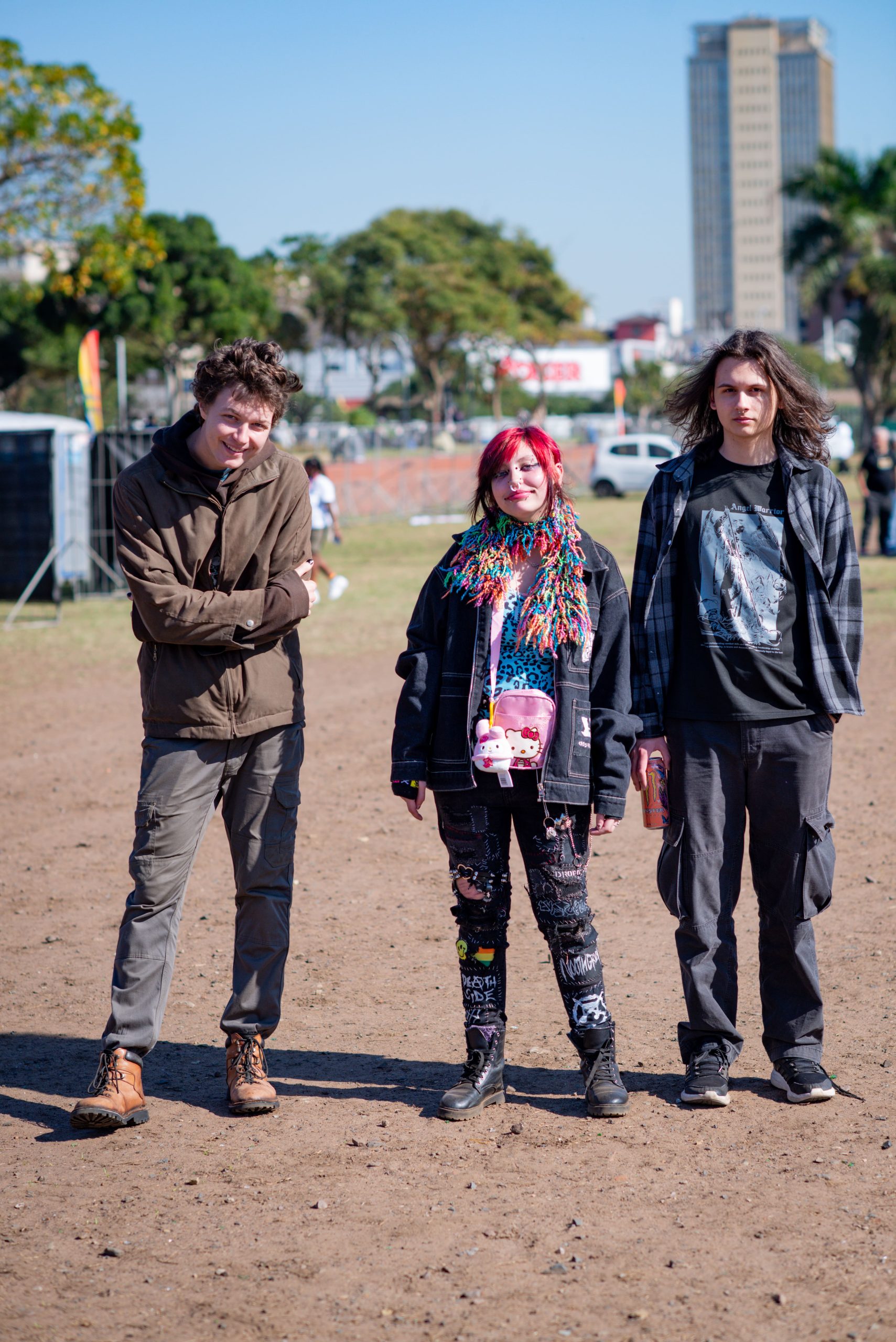
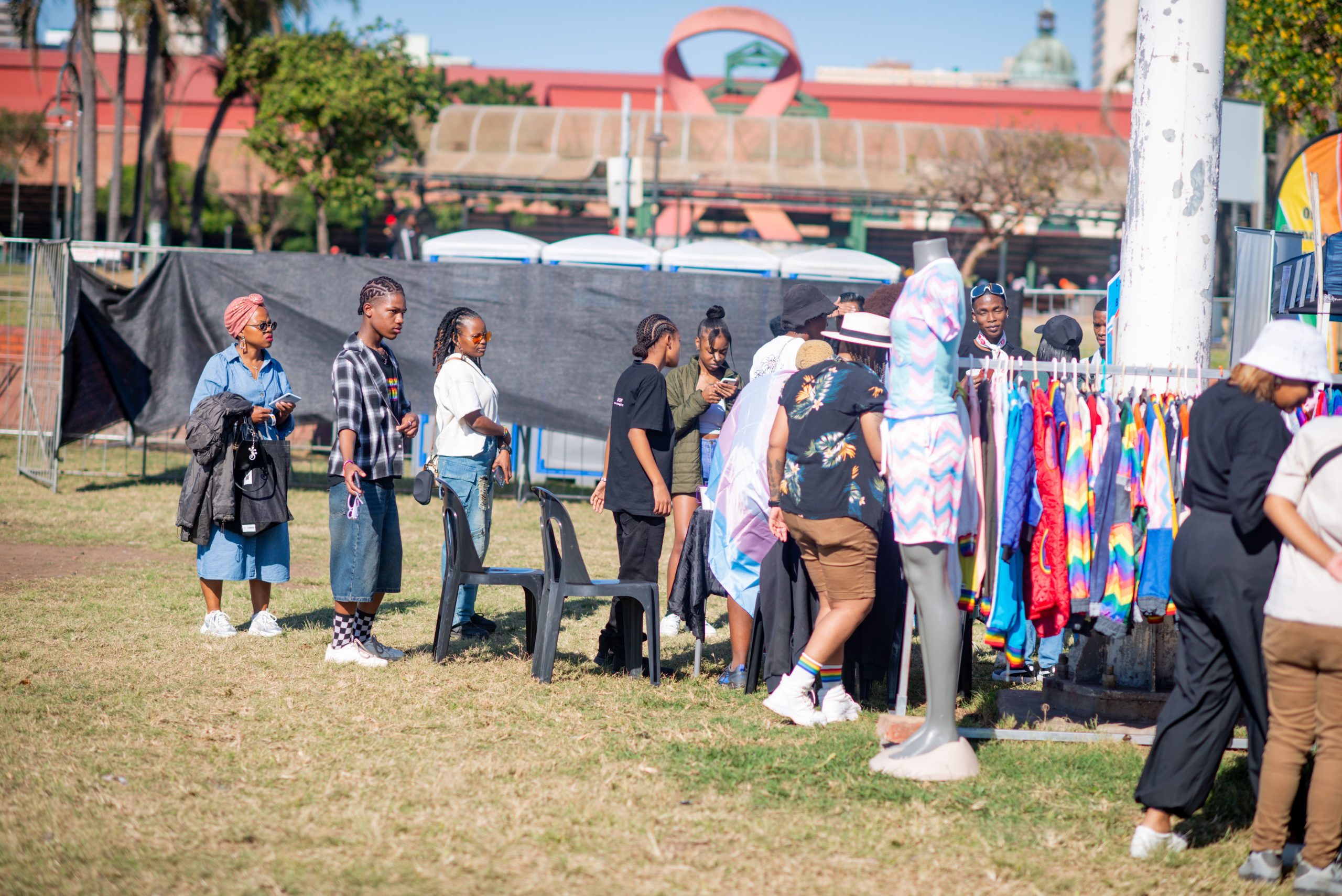
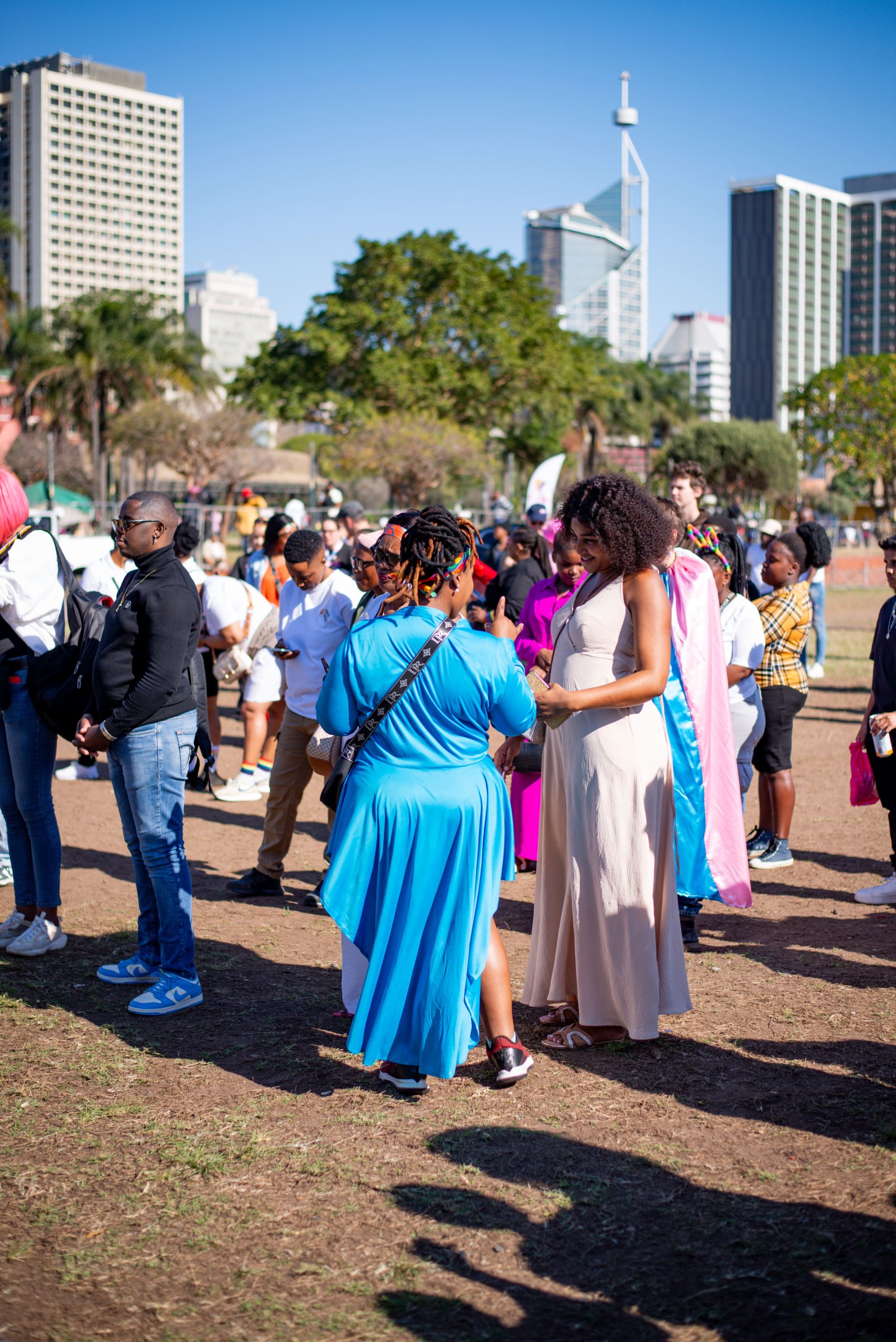
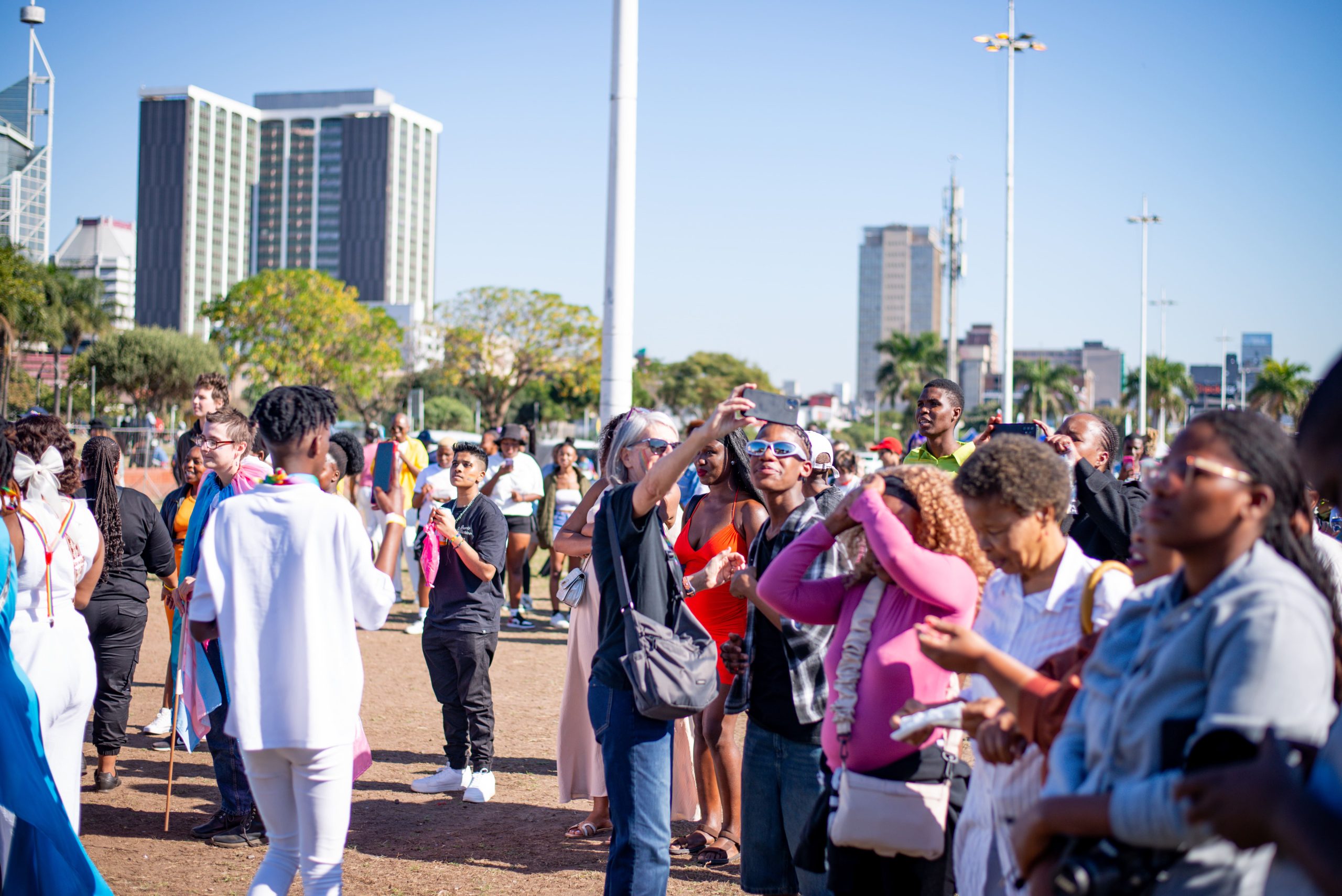
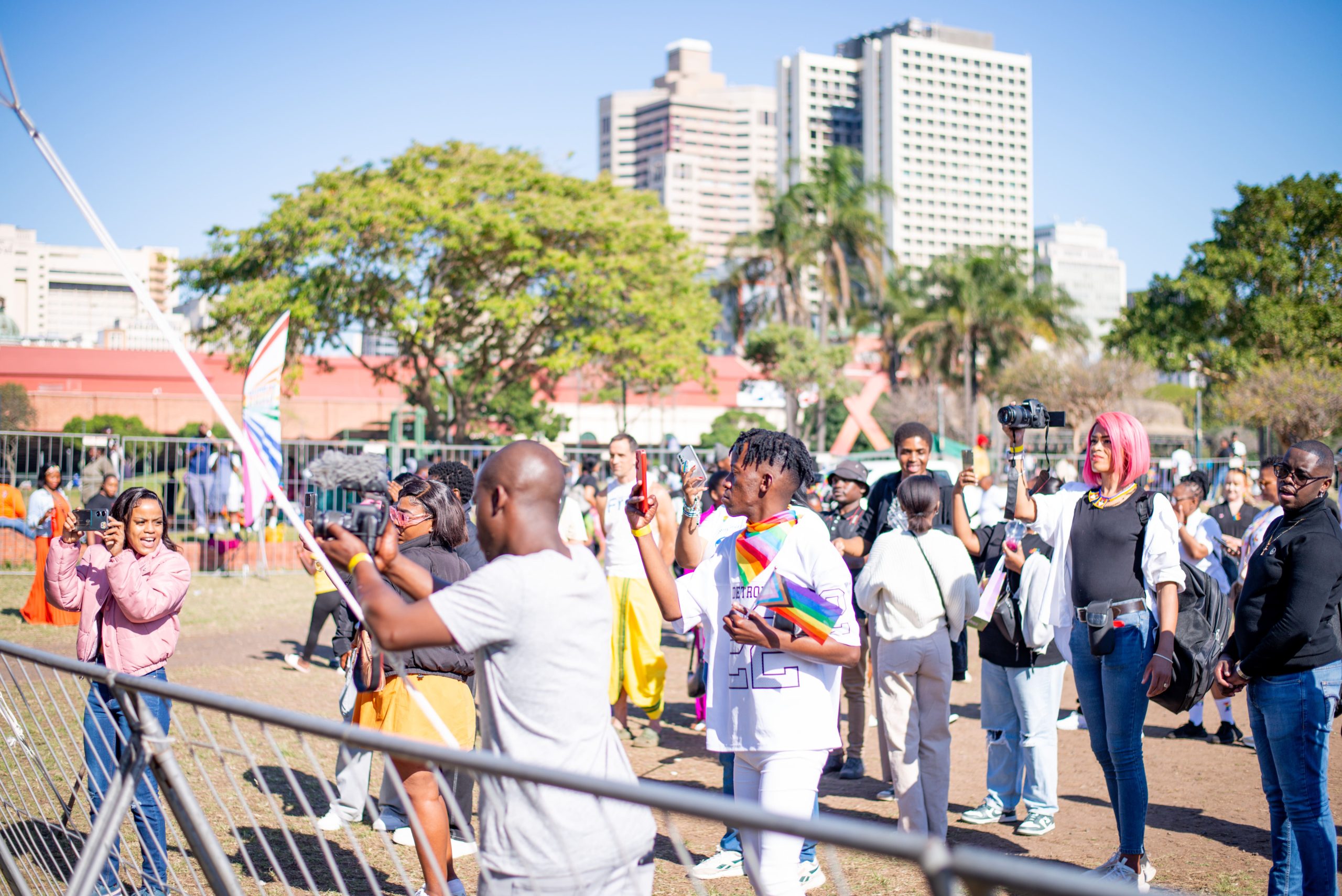
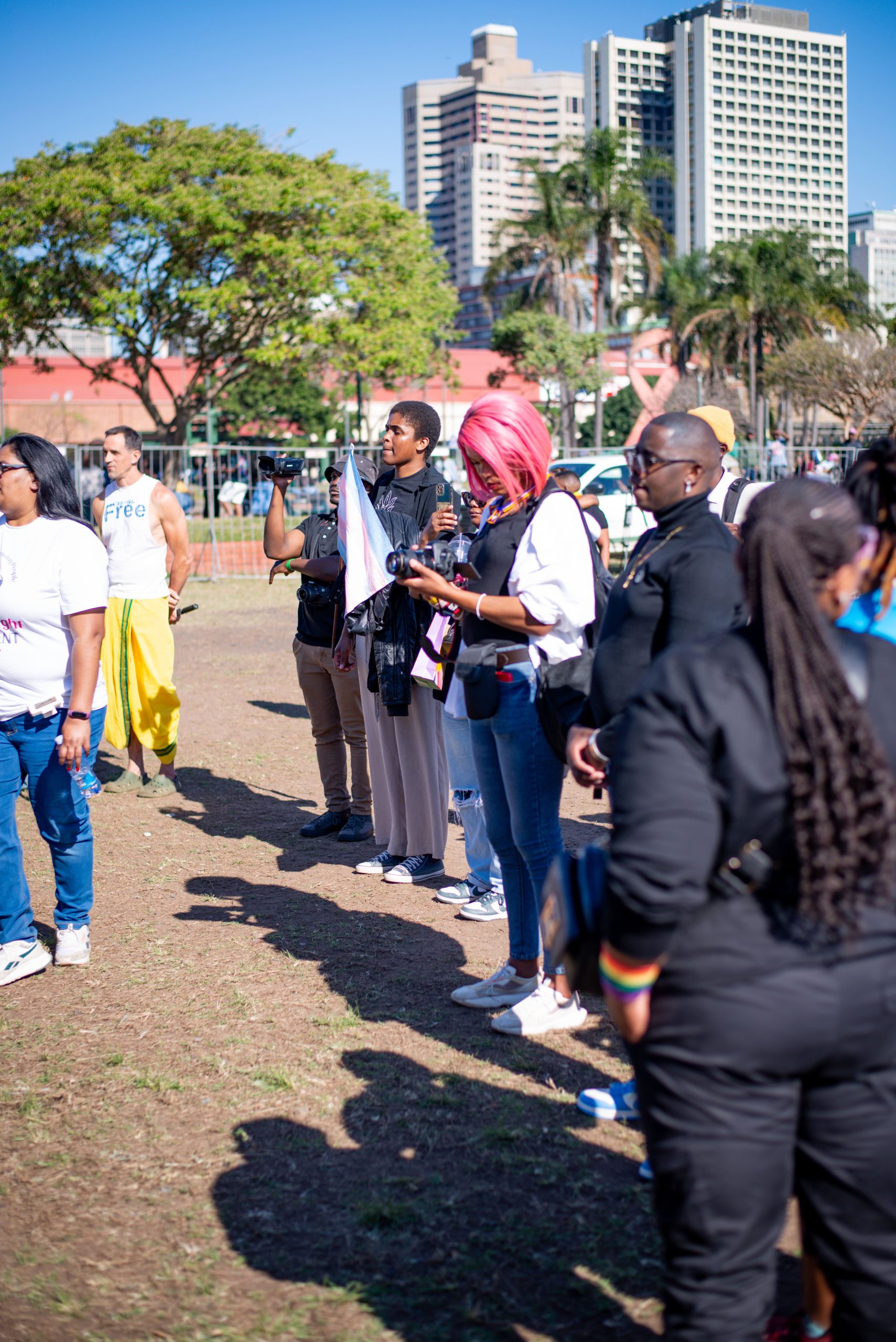
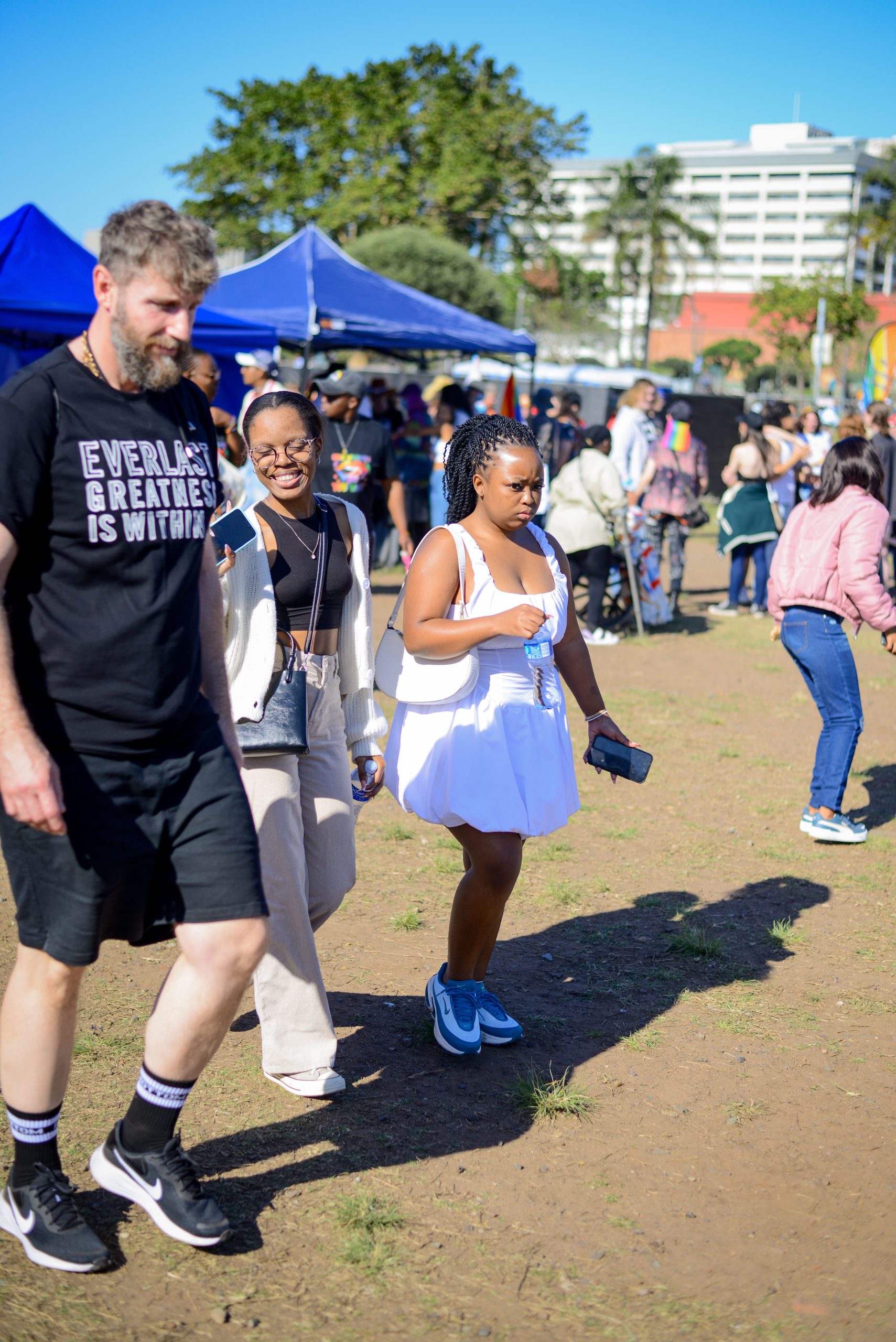
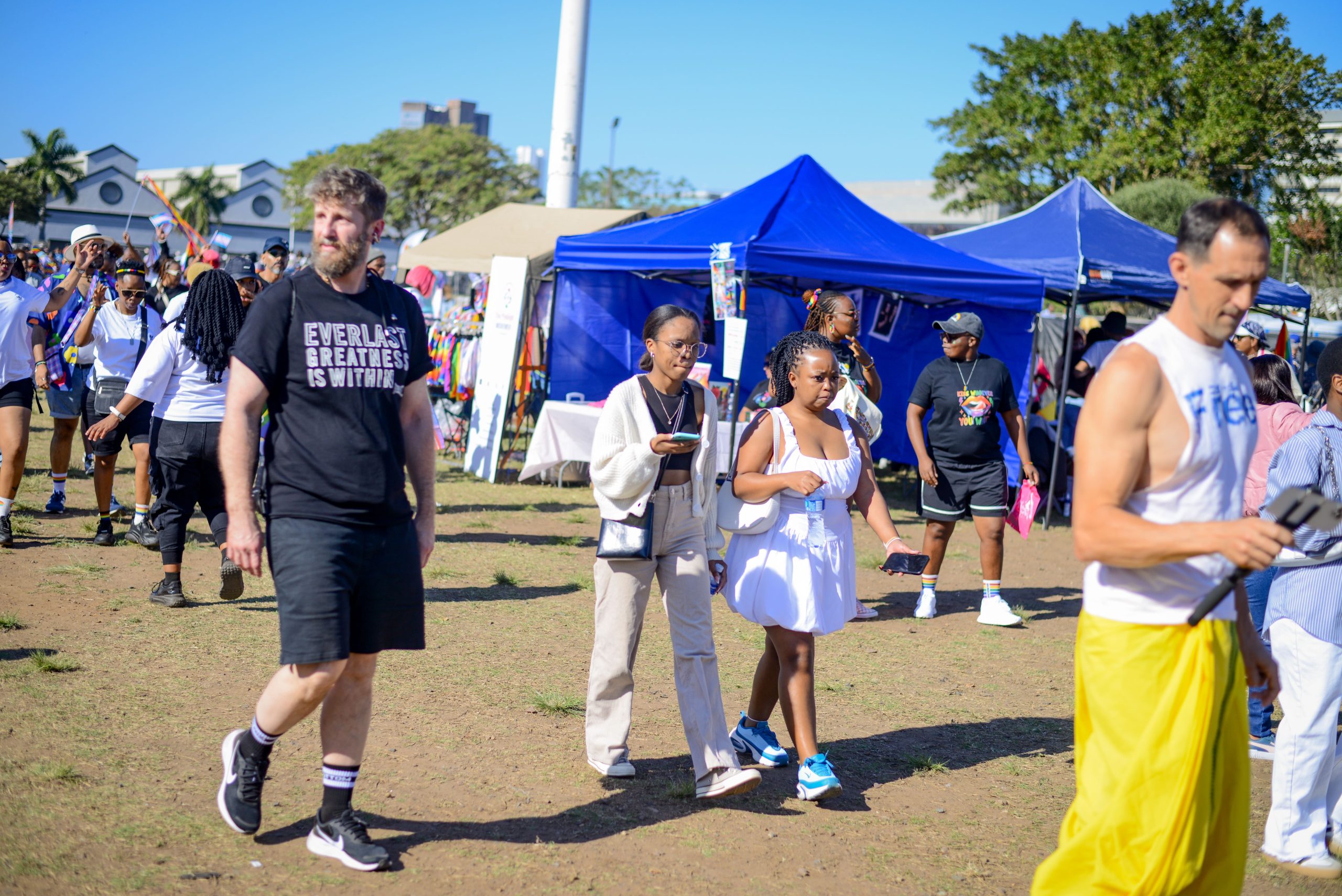
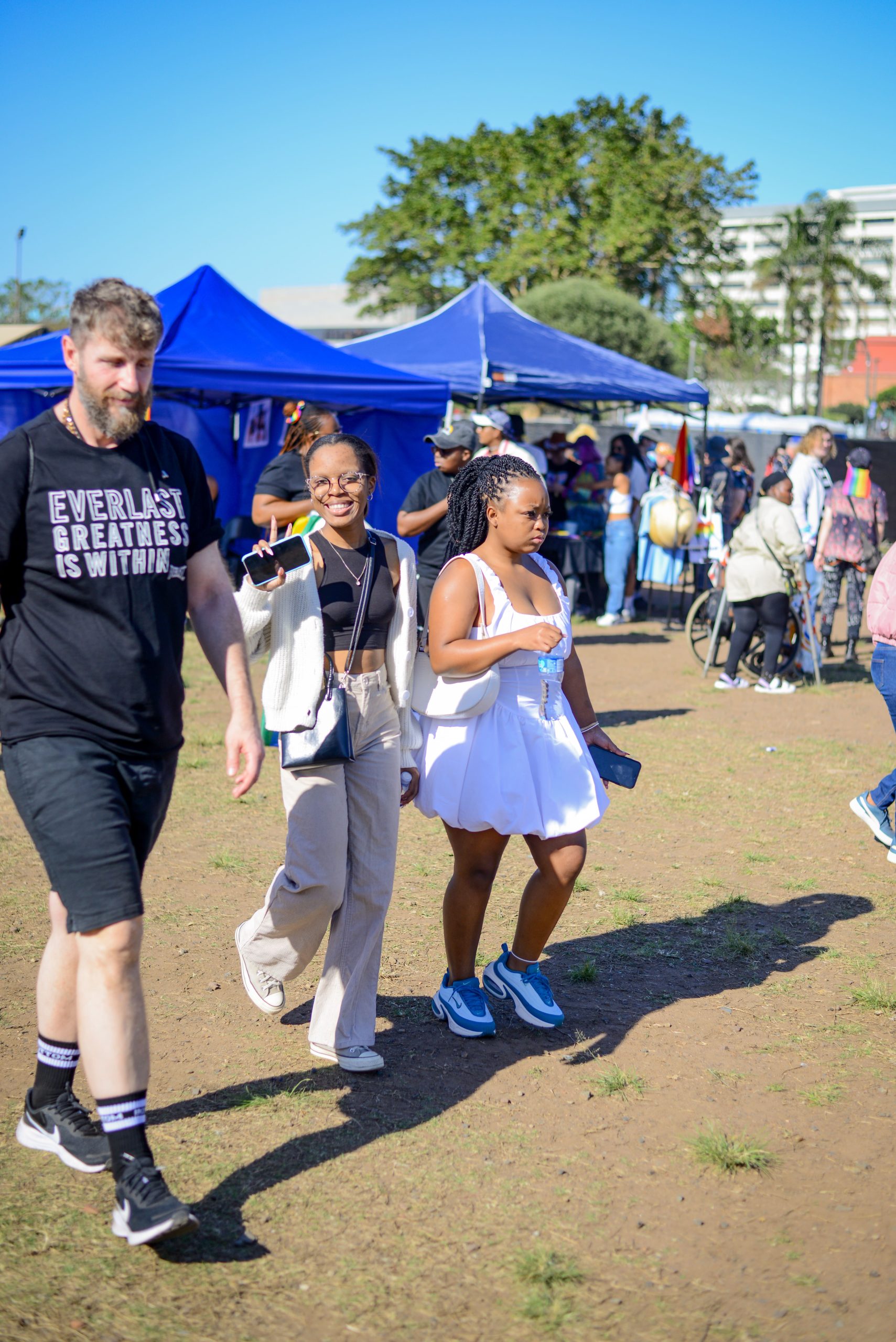
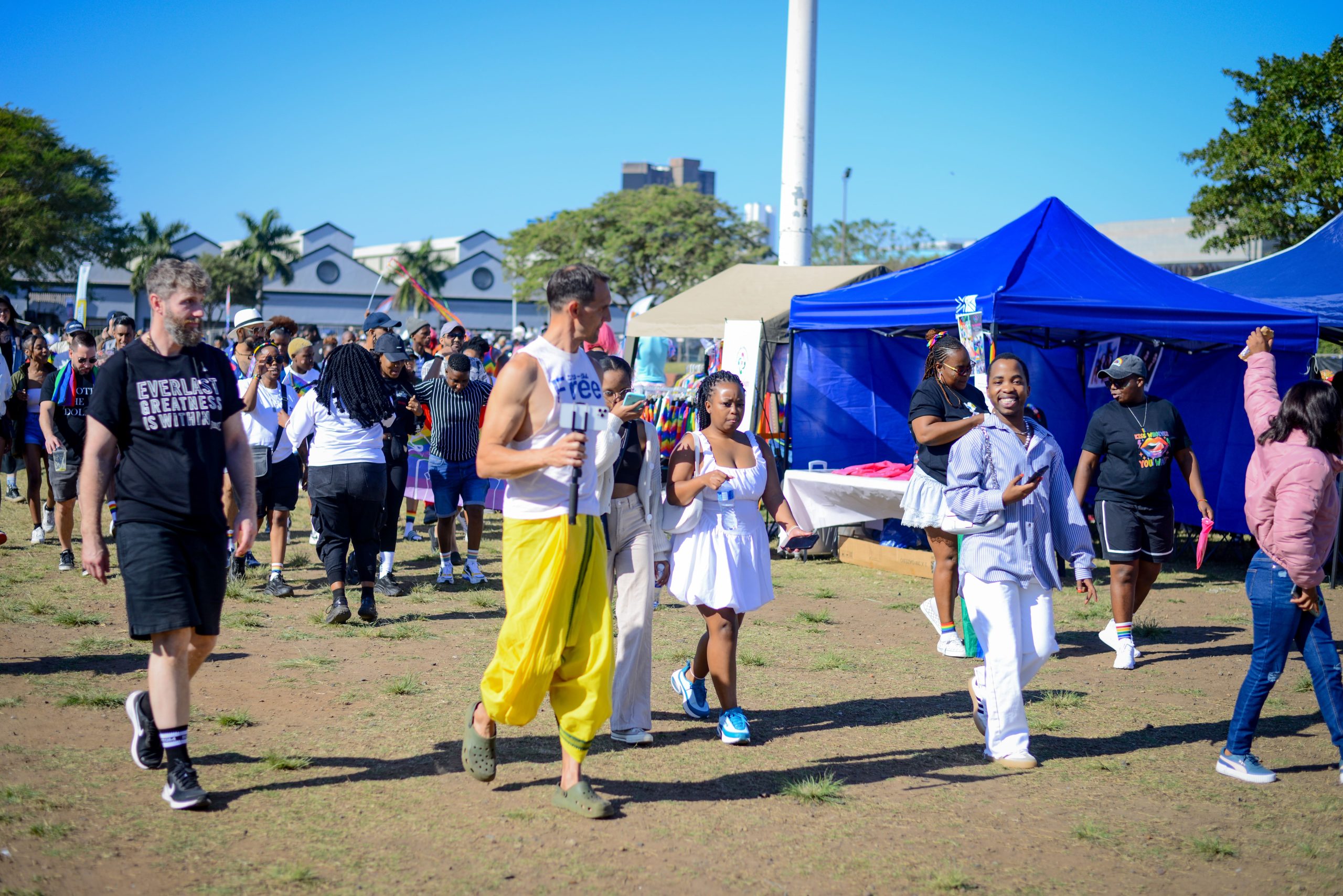
Music echoed through the city as the Pride Parade made its way through the heart of Durban, a living thread of joy, resistance, and radical visibility. After the march, the park blossomed into a hub of culture and connection: dialogue circles formed beneath trees and grassroots conversations reminded everyone present that Pride was not just an event it was community in motion.
In every corner of the park, the spirit of partnership and protest thrived. But what lingered most was how Generation G, through quiet care and intentional presence, turned a single station into something unforgettable: a place where gender justice wasn’t just spoken about- it was lived.
“The LGBTQIA+ community is part of the community. You can’t cater for a sector when you don’t know how it operates, and how its heart beats.” Were some of the words said by MEC Simelane that resonated with the champions
Throughout the day, the Generation G station became a trusted hub for storytelling, reflection, and connection. The champions didn’t just occupy space they curated it with love. They highlighted the importance of building intentional spaces where LGBTQIA+ people could feel safe, respected, and fully seen.
“We don’t always get to gather in spaces that feel like ours,” noted Zama. “At Generation G, we focus on centering gender justice in every interaction because when people know they’re respected in all of their identities, real transformation happens.”
Thabiso Ndlovu, who visited the Generation G station, shared:
“I felt like they actually wanted to hear my story not just hand out information. It was powerful to speak to someone who gets it. That station made me feel human again.”
Nomvula Zondi, a university student, added:
“There was something really calming about their space. You could breathe, talk, and feel held. It wasn’t just information they gave us affirmation. That’s rare.”
Community Reflections
Pinky Mzimela, experiencing her first Pride, reflected:
“It was amazing, lovely vibes. I felt welcomed. I felt seen. When cars hooted for us, I said, ‘Oh—allies!’ That was such a moment. And the health stations made me realise that taking care of ourselves is nothing to be ashamed of.”
Sli Mthiyi, who traveled from Ndwedwe, added:
“The parade was amazing. I felt free to be myself around people who totally get me. I didn’t feel like a weird person thanks to everyone who was accommodating and welcoming.”
What Durban Pride 2025 Meant for Generation G Champions is that it was more than participation it was proof of what can happen when purpose meets preparation. While the day included powerful moments from prayers to health services and a beautiful parade. What distinguished Generation G was how they transformed a single gazebo into a sanctuary of empathy, visibility, and movement-building.
They arrived early, created intentional space, and welcomed hundreds into conversations about safety, gender justice and human rights. They are Champions, young, driven, and deeply connected to activating change.
Siphesihle Bhengu shared:
“We were here to support the LGBTQIA+ community not just for today, but every day. Pride is a moment, but the work continues. We’ll be running a month-long campaign with the Centre and were excited to let people who visit our station know how they can be part of it. There’ll be dialogues about human rights, dignity, and what it means to truly see and respect LGBTQIA+ people in our communities. Everyone has a role to play.”
Ayabulela Nyawose, also a Champion, added:
“For me, it was about making sure everyone felt they belonged the moment they arrived. We weren’t just there to inform we were there to embrace. It matters that we build spaces where gender justice is not just a theme, but something you can feel.”
Their station served not only as a campaign base but as a sanctuary of dignity, empowerment, and solidarity. In a world where many queer and gender-diverse people navigate erasure and marginalisation, it offered something profound: belonging with purpose.
































































Responses