
Ramoloti is helping Moruleng’s children find purpose through the Arts


For many, royalty exists at a distance, admired from afar. But for a group of young creatives in Moruleng, their songs, poems, paintings and performances echo within the very heart of the Bakgatla-Ba-Kgafela Royal House. Here, creativity is not merely entertainment. It is heritage. It is healing. It is hope finding a stage.
Officially established in February 2026 by Mrs Connie Pilane, Morula Arts Academy was born long before its doors formally opened. Its story began inside a decommissioned business facility in nearby Sandfontein, where passion occupied a space long forgotten. What started as an informal gathering of dreamers would soon grow into a sanctuary for young people searching for belonging.
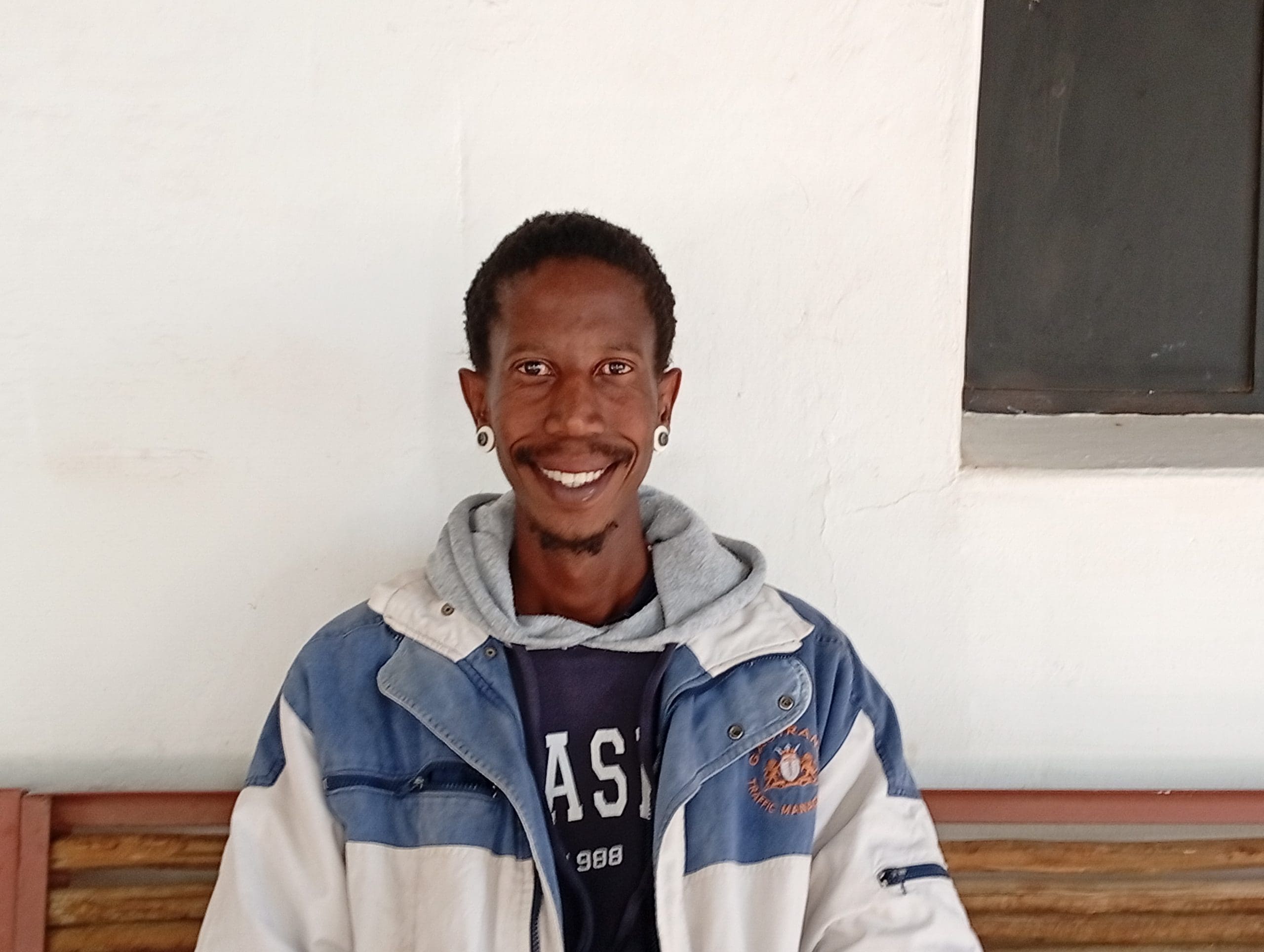
The academy itself is the product of a reunion. Ramoloti Kganakga, an Activate! Change Drivers Activator from the 2019 cohort, crossed paths once again with Connie Pilane after discovering they shared a love for the arts. Pilane, a teacher at Sefikile Primary School, had dedicated herself to theatre and music as tools for community development. Kganakga, who had slowly drifted away from the arts, found his passion rekindled through her unwavering commitment to social change. Their shared vision became Morula Arts Academy—a place where creativity would become both expression and intervention.
The academy’s impact is perhaps best reflected in one of its own.
Mogomotsi Ntsau, once withdrawn and battling substance abuse, now stands before a microphone every week on Kgatleng FM. Through the programme Tsa Thamaga Ya Jeso, hosted by Pleasure Bright, he leads the #GoAKgonagala segment, using his own story to caution others against drug abuse while inspiring young people to believe that change is possible.
“He was once a recluse,” Kganakga recalls. “When he realised there was a place where he could express himself without judgement, everything changed.”
Today, Kganakga speaks of Mogomotsi not as a student, but as a brother. In fact, that is how he sees every child who walks through the academy’s doors.
“They’re more than learners,” he says. “They’re family.”
Inside Morula Arts Academy, every facilitator adds another colour to the canvas. Kganakga mentors learners in guitar, piano and drums, while fellow facilitators nurture other musical disciplines. Resego Letlhogile helps young writers discover their voices through storytelling, poetry and creative writing. Others shape aspiring visual artists, dancers and performers, ensuring every child can find the language that best expresses who they are.
This Mandela Month, those voices will travel beyond the academy’s walls.
Morula Arts Academy plans to visit schools across Moruleng and neighbouring villages through arts activations that celebrate creativity while reconnecting learners with their cultural identity. Traditional Setswana dance will take centre stage, reminding children that culture is not something left behind by previous generations, but something that continues to shape who they become.
The initiative will also help raise funds for the academy, a non-profit organisation serving children from vulnerable backgrounds.
“By conscientising children on the importance of using culture to give back to their communities,” explains Kganakga, “schools cultivate self-worth while creating more engaging ways of teaching and learning.”
Yet beyond the instruments, performances and exhibitions lies the academy’s greatest masterpiece.
It has become home.
In a community where substance abuse, unemployment, gender-based violence and fractured family structures have become familiar realities, Morula Arts Academy offers something many children struggle to find elsewhere—a safe place to simply be children.
“Many arrive here shy and withdrawn,” says Kganakga. “But seeing the same faces every day creates bonds that go beyond blood.”
The academy’s commitment often stretches beyond rehearsals and workshops. Although it falls outside her formal responsibilities, Connie Pilane frequently visits learners’ homes whenever family challenges begin affecting their emotional wellbeing, participation or school performance.
Kganakga credits Activate! Change Drivers for shaping this compassionate approach.
“The programme taught me empathy,” he says. “Sometimes teaching isn’t enough. Sometimes a child needs a social worker before they need another lesson.”
Former President Nelson Mandela once said, “There can be no keener revelation of a society’s soul than the way in which it treats its children.”
Morula Arts Academy lives out that belief every day.
Together with the Mphebatho Cultural Museum, the academy encourages young people to see themselves as future custodians of their communities, using creativity not simply to entertain audiences, but to preserve culture, inspire change and build brighter futures.
For Ramoloti Kganakga, the dream reaches beyond producing talented artists.
He hopes Morula Arts Academy becomes a symbol of pride for Moruleng—a place where the Bakgatla-Ba-Kgafela community can witness the extraordinary potential growing within its own children.
Because when a child discovers their purpose, the community discovers its future.
———————————————
About the Author:
Tebogo Mokgadi is an Activator of the 2025 cohort. Writing was a hobby that gained a strong voice as he wrote for an arts organization, SistaBoss Academy, in the beginning of 2024. Now, he plans on sharpening this tool to tackle societal views that perpetuate the preservation of stereotypes.





Responses